EN


Planning a DTF Printer Budget: Equipment, Consumables and Workflow Costs
Buying a business DTF printer is not just a decision about the printer’s purchase price. For a decoration shop, contract printer, or distributor, the more useful question is: what does it take to put a repeatable DTF production workflow into operation and keep it productive? A workable budget separates one-time equipment costs from recurring DTF printing supplies, labor, maintenance, and the small process gaps that can quietly create waste.
This guide offers a practical budgeting framework rather than a universal price list. Actual costs change with print width, printhead configuration, production volume, local utilities, supplier terms, and the level of automation you need. The goal is to help buyers compare a business DTF printer on total workflow fit—not on the headline machine quote alone.
Start with the production target, not the machine price
Before requesting quotations, define what the new business DTF printer must support in a normal week. Estimate the film width you need, the typical transfer size, the number of jobs per day, the mix of short runs and repeat orders, and who will operate the line. A compact A3 setup may suit sampling, personalization, or lower-volume work. A wider roll-fed system may make more sense when the workflow requires steady transfer output and fewer media changes.
Then write down the operating assumptions behind the budget. Is the printer expected to run every workday? Will one operator print, powder, cure, and press transfers, or will tasks be divided? Are you adding DTF to an existing garment-decoration shop, or building a standalone production cell? Those answers determine whether the lowest entry price is actually the lower-cost choice.
Build the equipment budget as a production cell
A business DTF printer should be budgeted as part of a connected process. The main printer is only one line item. Your equipment list should normally include the following categories:
- Printer and printhead configuration: Match print width and output expectations to expected order volume. Avoid treating a larger platform as automatically better if your current demand cannot keep it active.
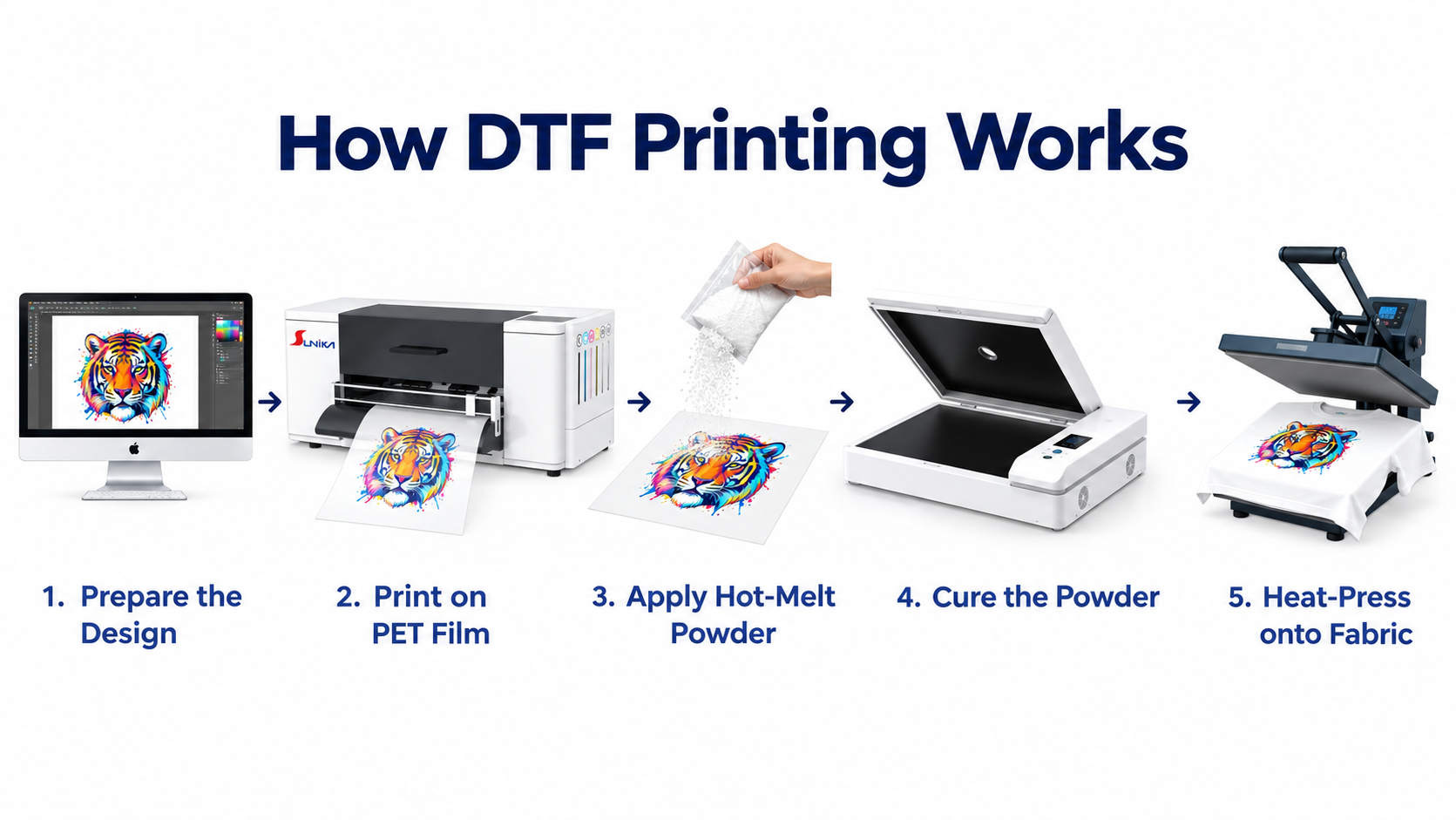
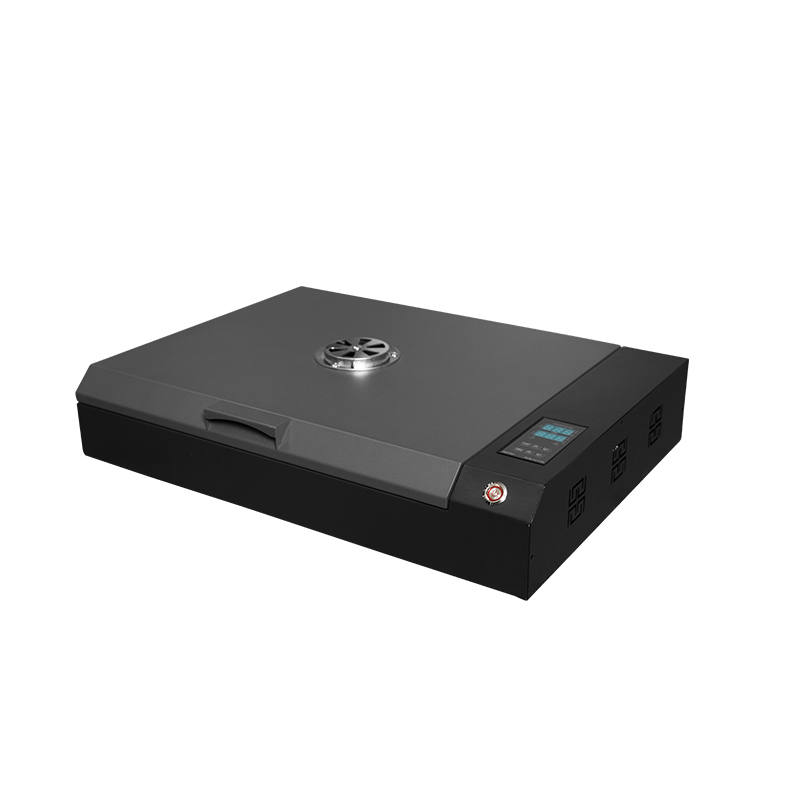
- Powder application and curing equipment: The transfer needs a controlled powder-and-cure stage. Budget the equipment, installation space, ventilation approach, and operator handling together.
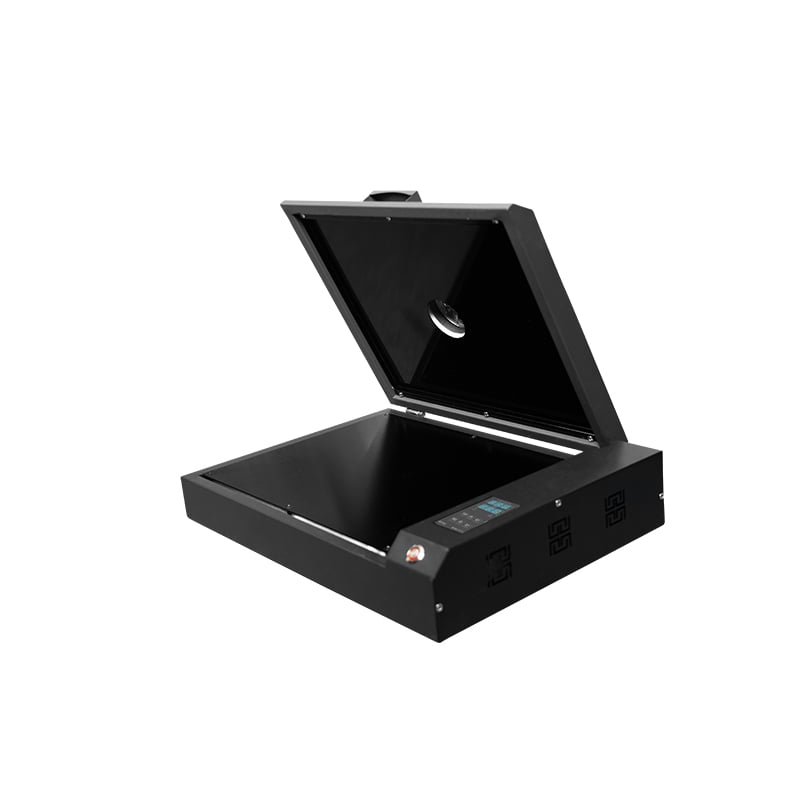
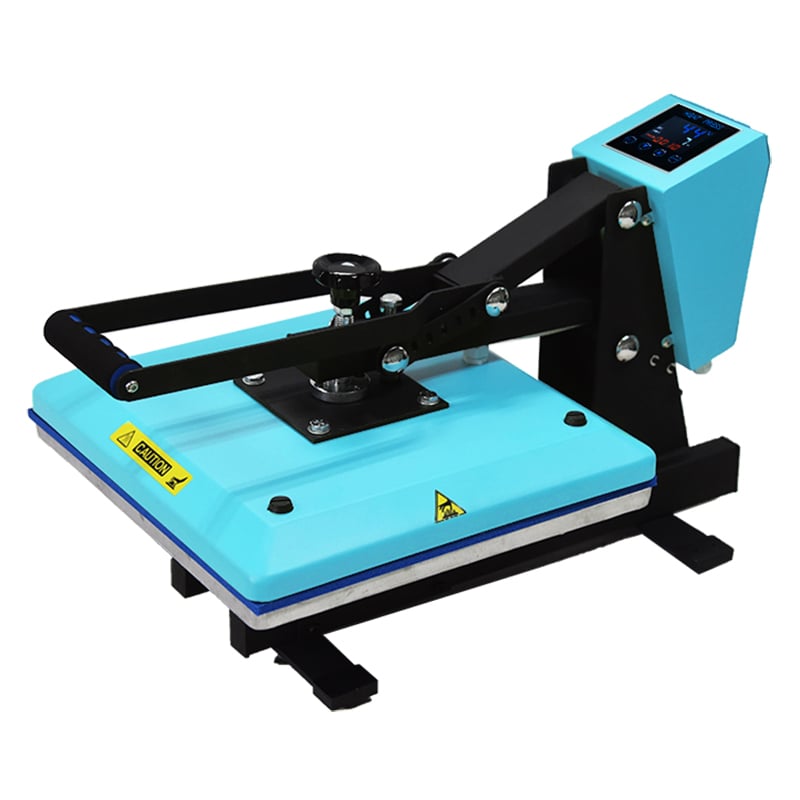
- Heat press and finishing tools: If the transfer will be applied in-house, the press, fixtures, and quality-control tools belong in the same project budget.
- Computer, RIP workflow, and color-management setup: File preparation, RIP software, profiles, and operator training are workflow costs, even when they are quoted separately.
- Electrical, workspace, and safety preparation: Confirm power requirements, room layout, storage for film and powder, cleaning access, and safe movement of materials before installation.
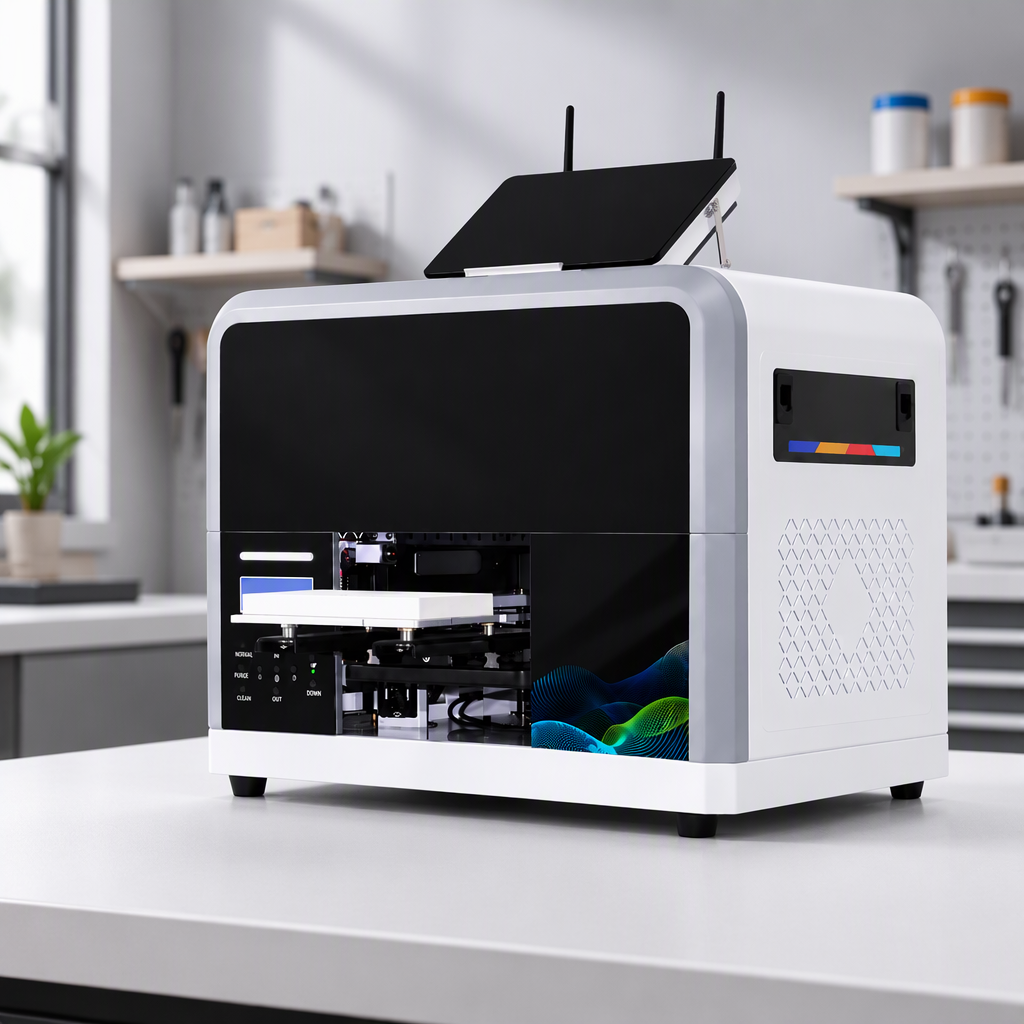
Use quotations to compare what is included. Delivery, commissioning, training, warranty scope, spare parts, and software access can change the effective first-year cost. For example, buyers comparing a compact unit such as the Sunika SK-A3 DTF Printer F1080 330mm A3 Direct to Film Printer with a wider system such as the Sunika SK60 DTF Printer Dual I3200 600mm Tee Shirt Printer should first compare workflow needs and supplied scope, rather than infer unverified performance claims from a product name.
Model DTF printing supplies as recurring production costs
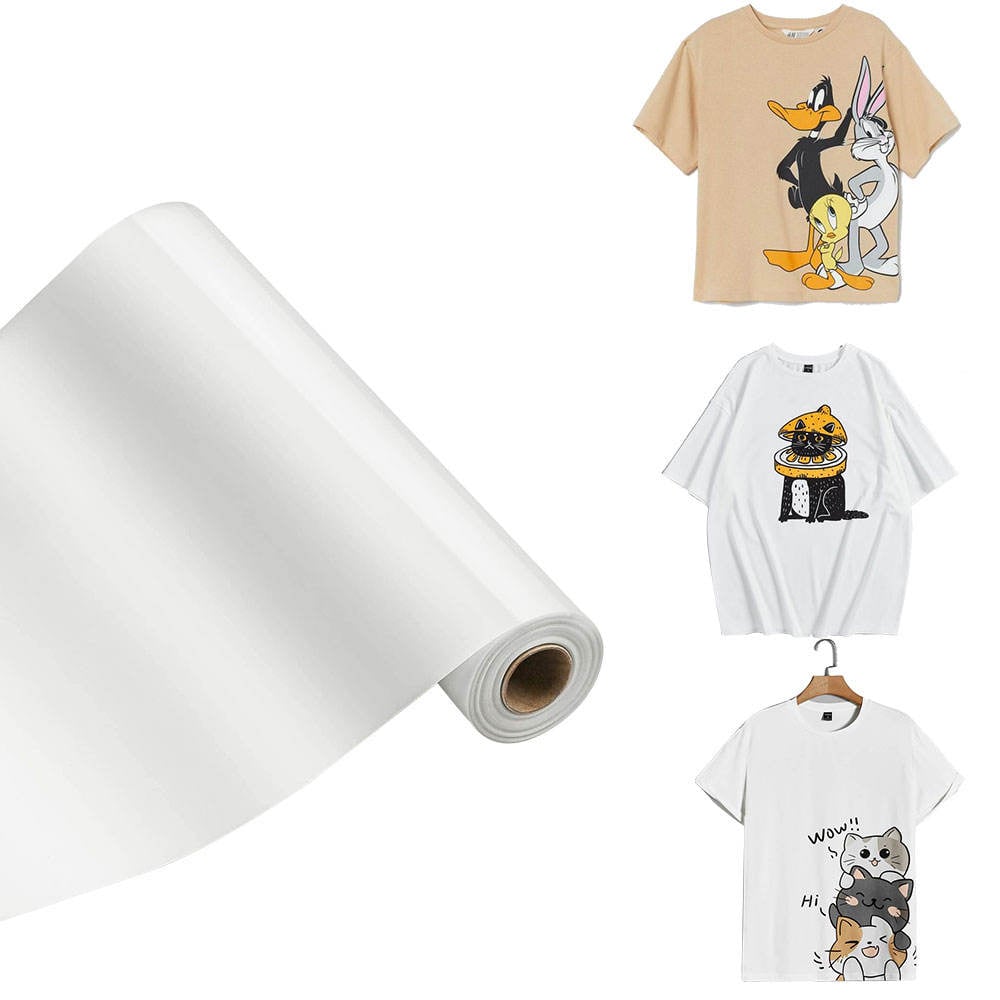
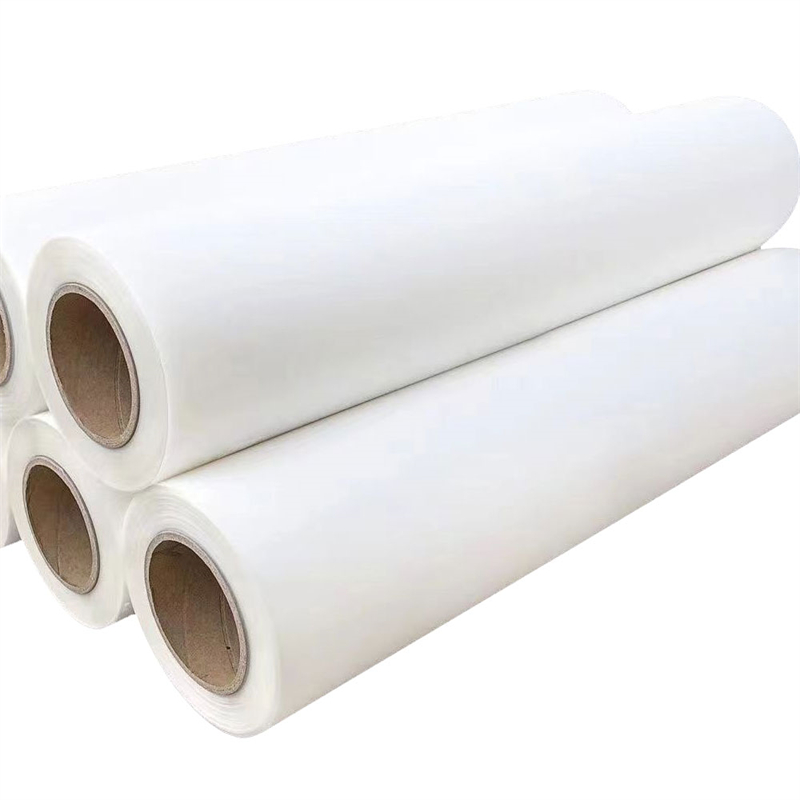
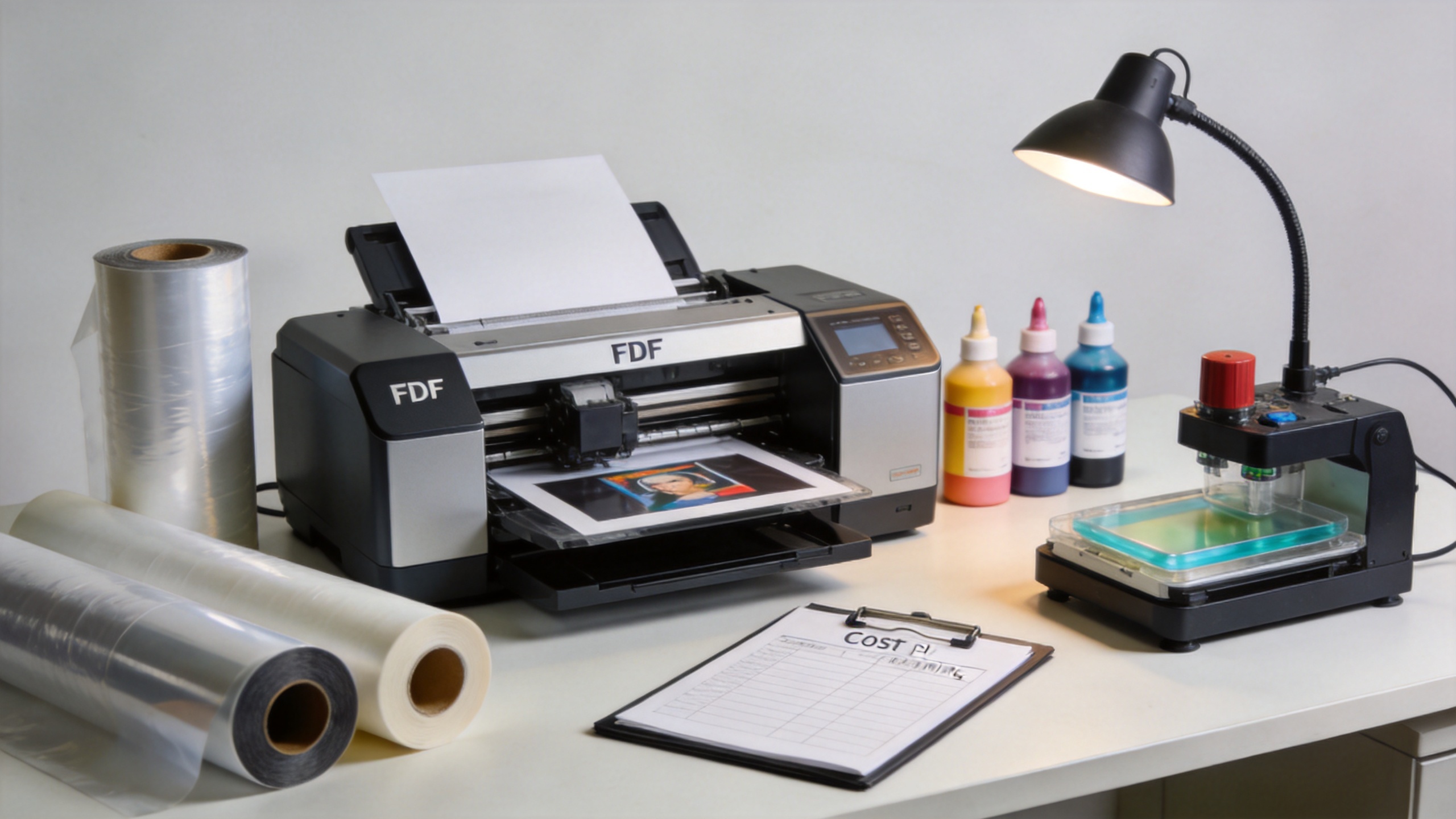
Your monthly cost model needs a separate section for DTF printing supplies. Film, inks, adhesive powder, cleaning materials, and packaging are not interchangeable placeholders: their usage depends on artwork coverage, transfer size, reprints, storage conditions, and the discipline of the production process.
Build the model from actual units. Track film by roll or printable area, ink by color and white-ink usage, powder by weight, and cleaning items by maintenance cycle. Instead of assuming a single cost per transfer, test several representative jobs: a small left-chest logo, a full-front graphic, and a multi-color order. Include acceptable setup waste and a realistic reprint allowance. This creates a more defensible estimate than applying a generic online cost figure to every design.
White ink deserves its own line in the budget. It is essential to many DTF workflows and also makes routine circulation, cleaning, and observation important. Treating maintenance fluid, wipes, filters, dampers, and scheduled checks as planned DTF printing supplies helps prevent an artificially low consumables forecast. The cost of a short maintenance routine can be easier to manage than disruption after an avoidable print-quality issue.
Include labor, learning, and workflow capacity
Many first budgets capture hardware and materials but understate the people side of a business DTF printer. Map each step from artwork intake to finished transfer: file checking, RIP preparation, printing, powder handling, curing, inspection, trimming or sorting, packing, and cleaning. Time each step for a small batch and for a repeat order. The result will show where one operator can work efficiently and where a second workstation, better staging, or a different production rhythm may be justified.
Allow an onboarding period. Operators need time to learn daily checks, media loading, white-ink routines, consistent curing, and how to recognize a transfer that should be reprinted before it reaches a customer. Early learning is normal; a sound budget includes samples, calibration prints, and controlled waste rather than treating every early sheet as saleable output.
Plan for maintenance, downtime, and working capital
A business DTF printer produces value only when it can run predictably. Add a maintenance reserve that covers routine care, consumable replacement parts, cleaning activity, and support access. Ask each supplier what daily, weekly, and periodic tasks are expected, which parts are operator-replaceable, and what response path applies if production stops.
Working capital matters as well. DTF printing supplies need to be kept at usable stock levels, yet excessive inventory can be exposed to handling errors, shelf-life constraints, or changes in demand. Set minimum stock levels for the materials that stop production immediately, then review replenishment lead times and cash tied up in inventory. This approach is more reliable than buying a large initial quantity without a consumption plan.
Use a simple total-cost-of-ownership worksheet
A clear worksheet turns a confusing equipment purchase into a decision you can review. Create four columns: one-time setup, monthly fixed cost, variable cost per job, and contingency. Place every item into one of those columns. Then calculate a low-, expected-, and busy-month scenario rather than relying on a single utilization estimate.
| Budget area | Questions to ask | How to control it |
|---|---|---|
| Equipment | What is included beyond the printer? | Compare delivered production-cell scope. |
| DTF printing supplies | How much film, ink, powder, and cleaning material does each job use? | Track by job type and review waste weekly. |
| Labor and workflow | Which steps constrain throughput? | Time the workflow and stage materials near each task. |
| Maintenance and contingency | What happens if quality falls or a part needs replacement? | Schedule preventive work and retain a realistic reserve. |
Make the buying decision with a complete scope
A practical business DTF printer budget is one you can operate after installation, not simply one that wins a quotation comparison. Request a written scope, list every required DTF printing supplies category, test the workflow assumptions with your own order mix, and keep a contingency for commissioning and maintenance. This gives distributors, print shops, and growing decoration businesses a clearer basis for choosing a system that matches both demand and day-to-day capability.
When discussing options with a supplier, bring the worksheet to the conversation. It will help you ask more useful questions about equipment scope, training, materials, and service support, while leaving room to scale the DTF workflow as real production data becomes available.