EN
EN


How to Start a T-Shirt Printing Business with a DTF Printer: A Step-by-Step Guide
The custom apparel industry is growing fast—valued at USD 5.2 billion in 2024, with projections above USD 20 billion by 2035. For entrepreneurs looking at a t shirt printing machine for small business use, the timing to explore a DTF setup has rarely looked this favorable. Modern DTF (Direct-to-Film) technology doesn't require a warehouse, a five-figure budget, or prior screen-printing experience.
This guide walks you through four core steps: selecting your equipment, budgeting for consumables, setting up your workflow, and pricing orders profitably.
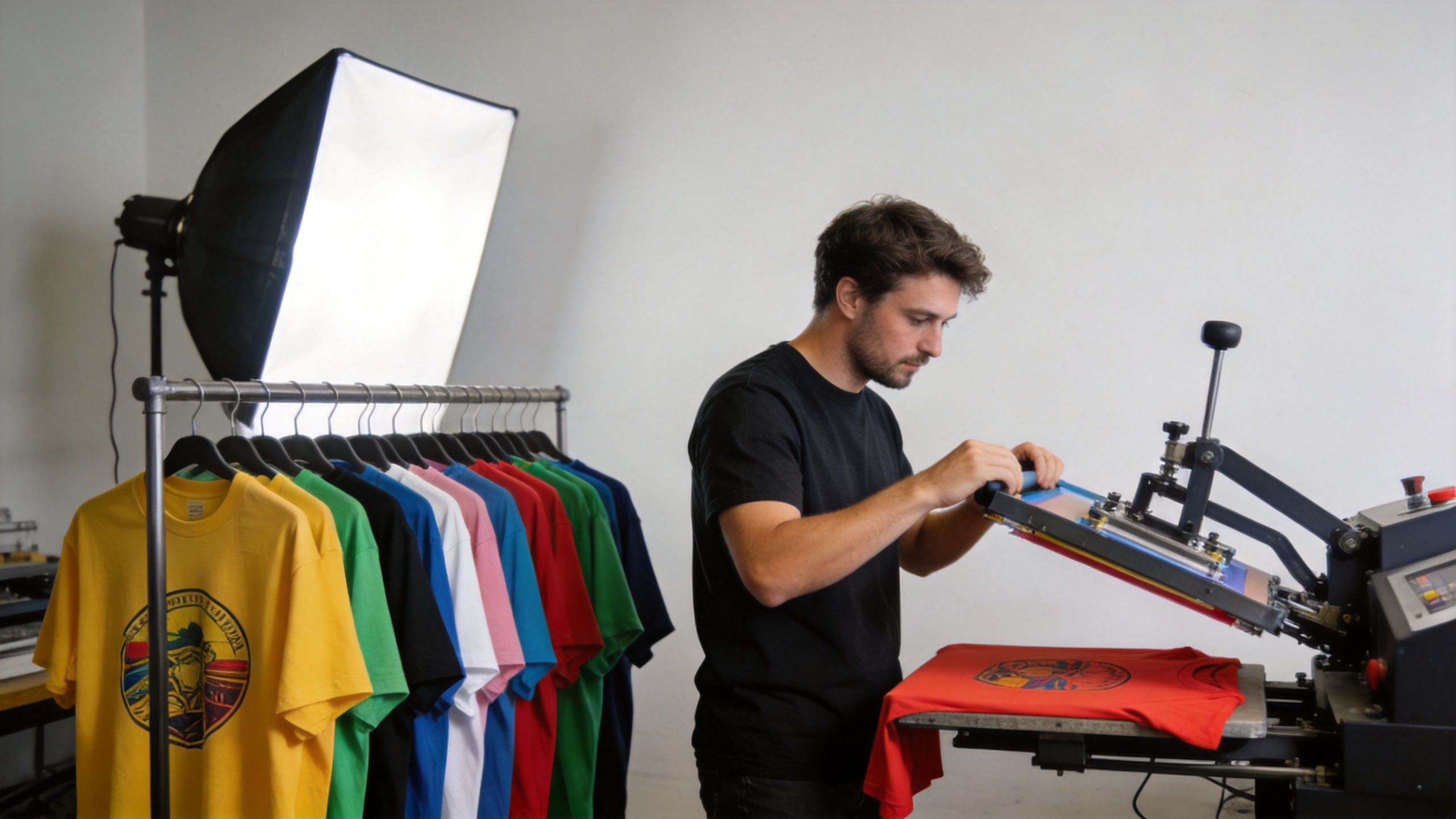
Why DTF Printing Works for Small Custom Apparel Businesses
There are several ways to print on t-shirts—sublimation, DTG, heat vinyl, and screen printing each have their place. For a new operation, a DTF t shirt printing machine for small business offers a combination of flexibility and economics that the others can't easily match.
- No pretreatment required: DTF works on both light and dark garments without pre-spraying. This makes it practical for shops with limited floor space.
- Broad fabric compatibility: Cotton, polyester, nylon, blends: DTF transfers adhere to virtually any fabric, which expands the range of customize apparel services you can offer.
- No minimum order: A single tshirt logo printing job is as profitable per unit as a batch of fifty. That's a direct advantage over screen printing for on-demand orders.
- Wash durability: Full-color DTF transfers resist cracking, peeling, and fading through repeated wash cycles.
What I've found is that most people starting out focus entirely on the printer spec sheet and overlook the system around it—the ink, the PET film, the powder, and the heat press all interact. Getting that system right is what separates shops that run smoothly from those that troubleshoot constantly.
Step 1 – Choose the Right Equipment
Selecting Your DTF Printer
Entry-level options for a t shirt printing machine for small business typically range from $800 to $7,000 depending on print width and printhead configuration. The real question is which machine fits your projected weekly volume and customize apparel range.
A 12-inch (A4/A3) printer is a practical starting point for low-volume custom orders, suitable for individual pieces and short runs up to around 20 garments per day. If you're targeting local event printing, team apparel, or tshirt logo printing orders, a compact 12-inch dual-head unit gives you full-color output on both light and dark shirts.
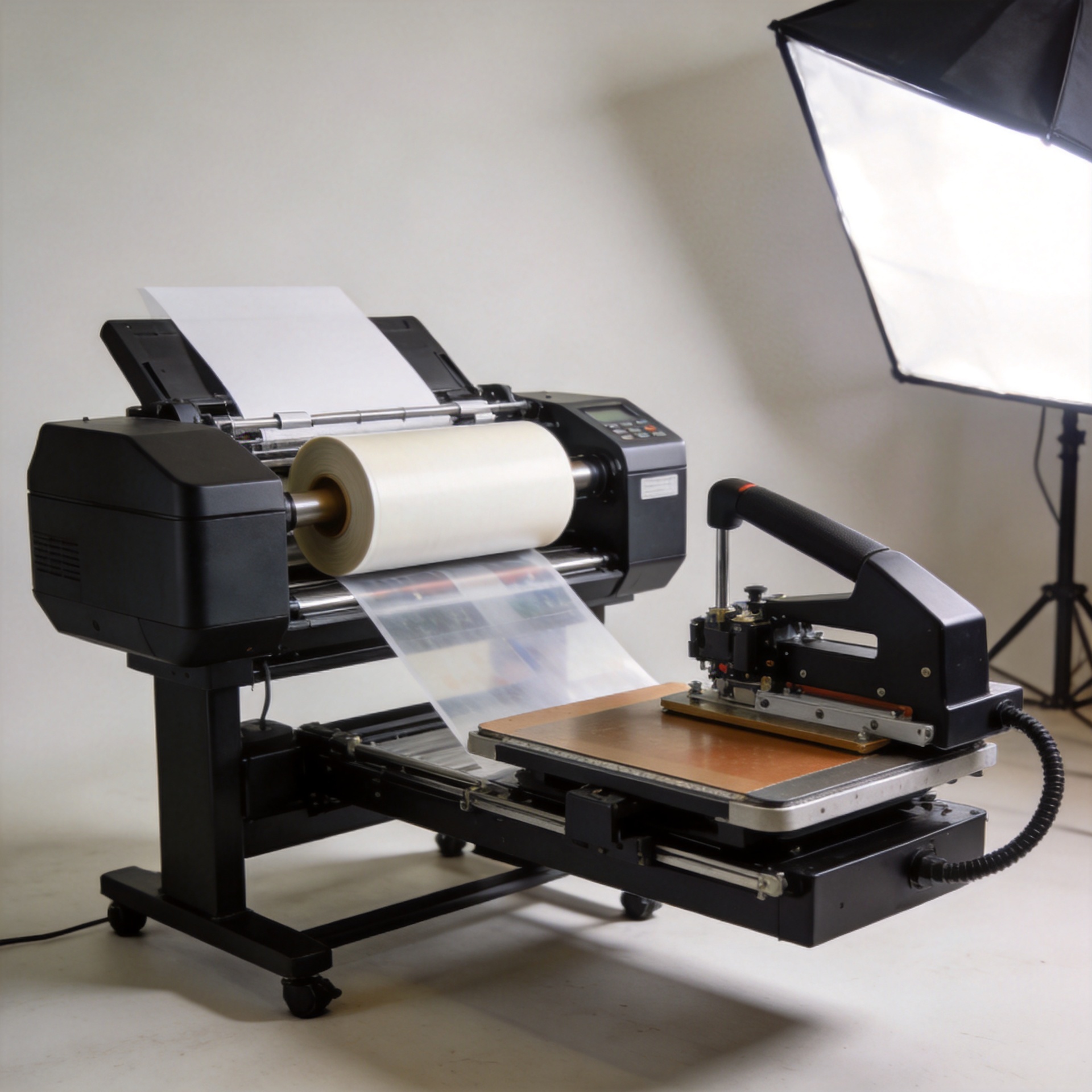
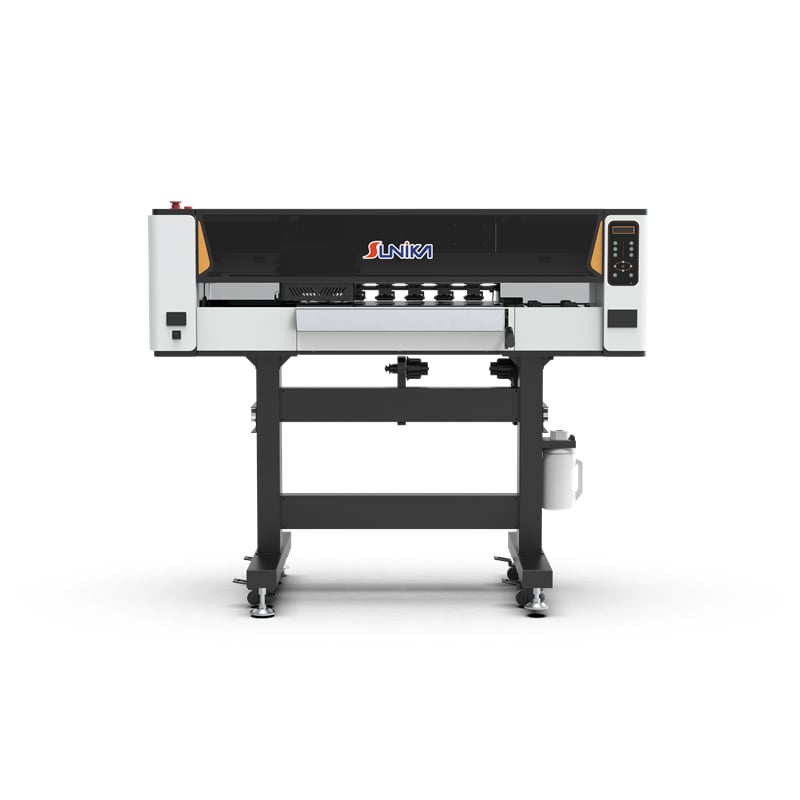
For those planning to scale, a wider-format 24-inch production printer with dual industrial printheads offers meaningfully faster throughput. The Sunika SK60 DTF Printer (Dual I3200, 600mm) is designed for this range, with dual Epson I3200 heads and a 600mm print width that covers standard adult t-shirt panels in a single pass.
If you're starting smaller, the SK-A302 12-inch DTF printer (Epson F1080 dual head) delivers sharp, consistent output for tshirt logo printing and customize apparel runs at entry-level volume.
Adding a Heat Press
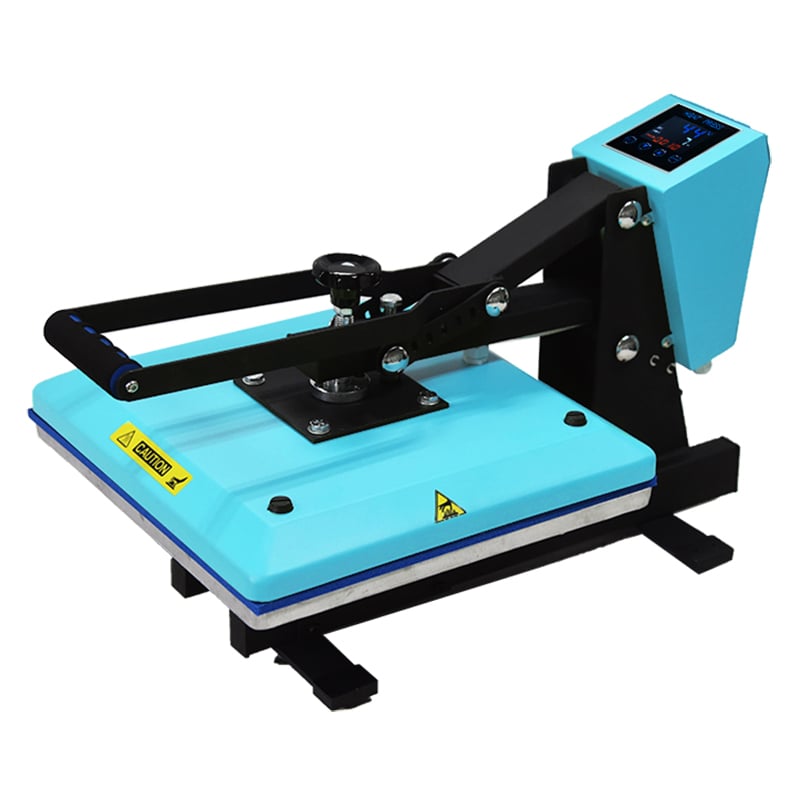
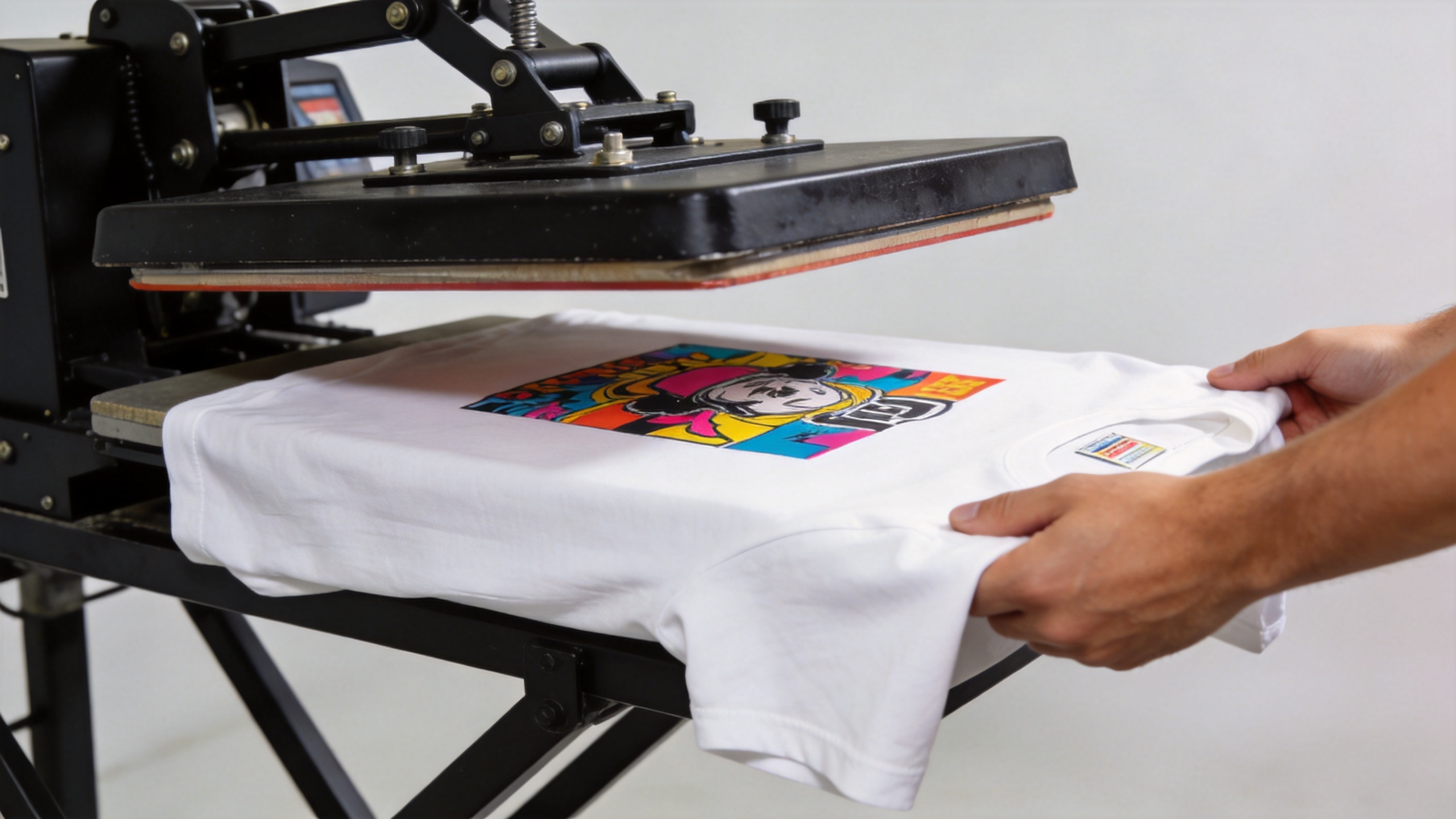
Every t shirt printing machine for small business setup requires a heat press. Every DTF transfer needs to be applied to the garment using a heat press—budget $500 to $1,500 for a quality flat unit. Uneven pressure or incorrect temperature will ruin otherwise well-executed transfers.
The Sunika High-Pressure Flat Heat Press Machine is purpose-built for DTF applications, with adjustable pressure settings that work across different garment thicknesses and transfer sizes.
Step 2 – Budget for Consumables
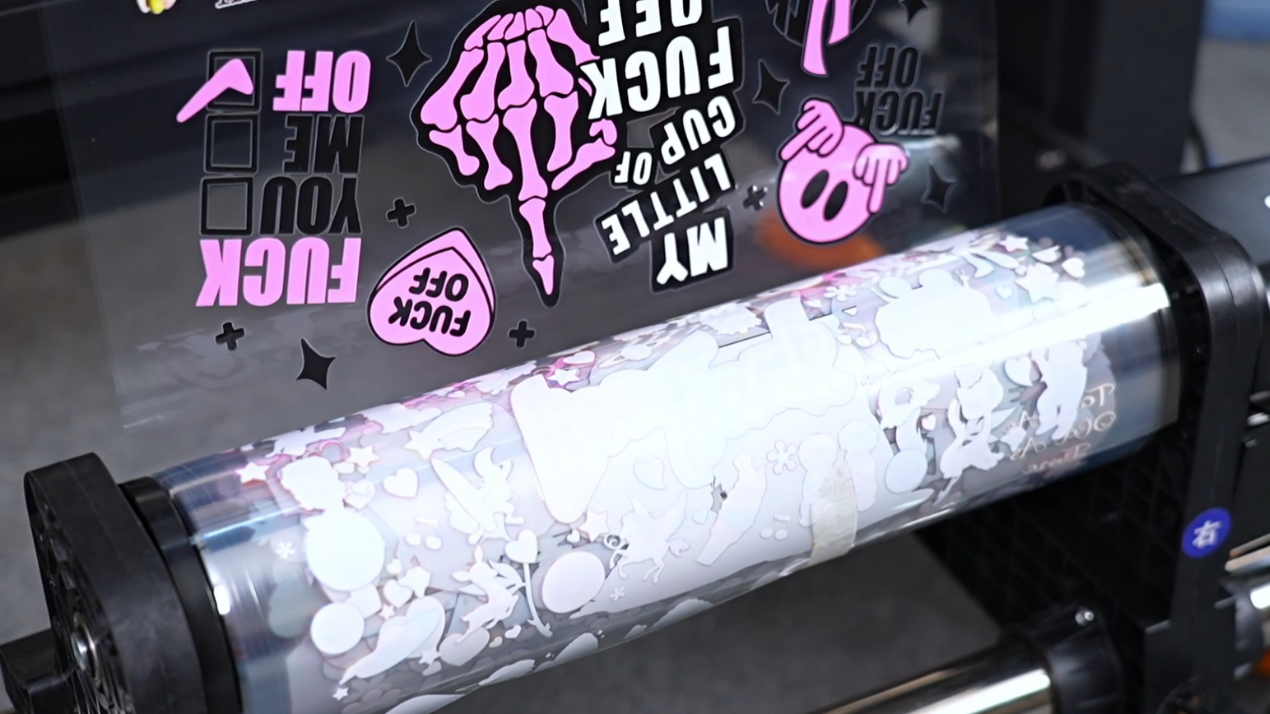
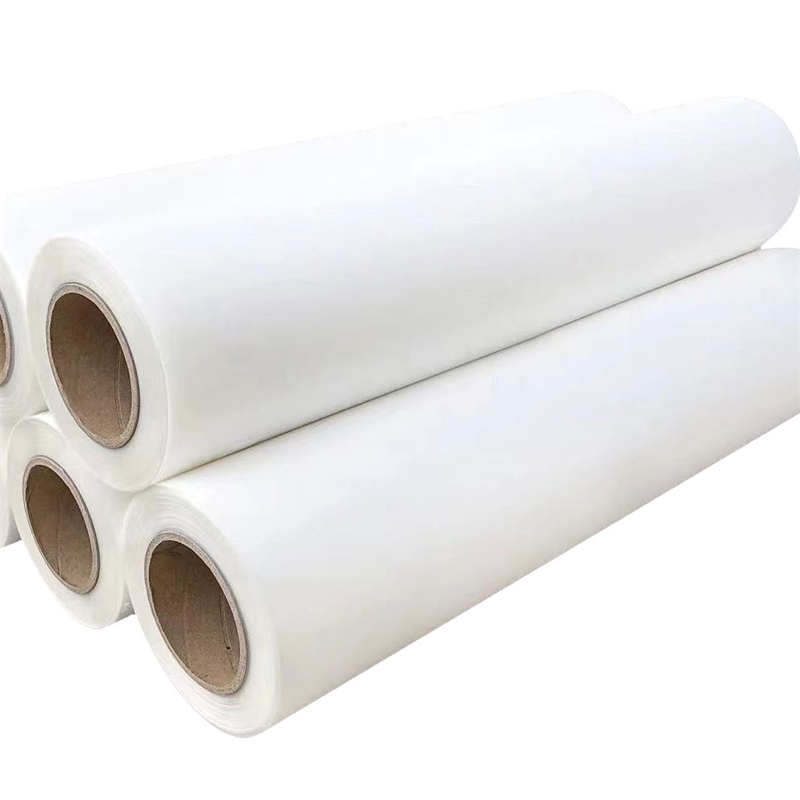
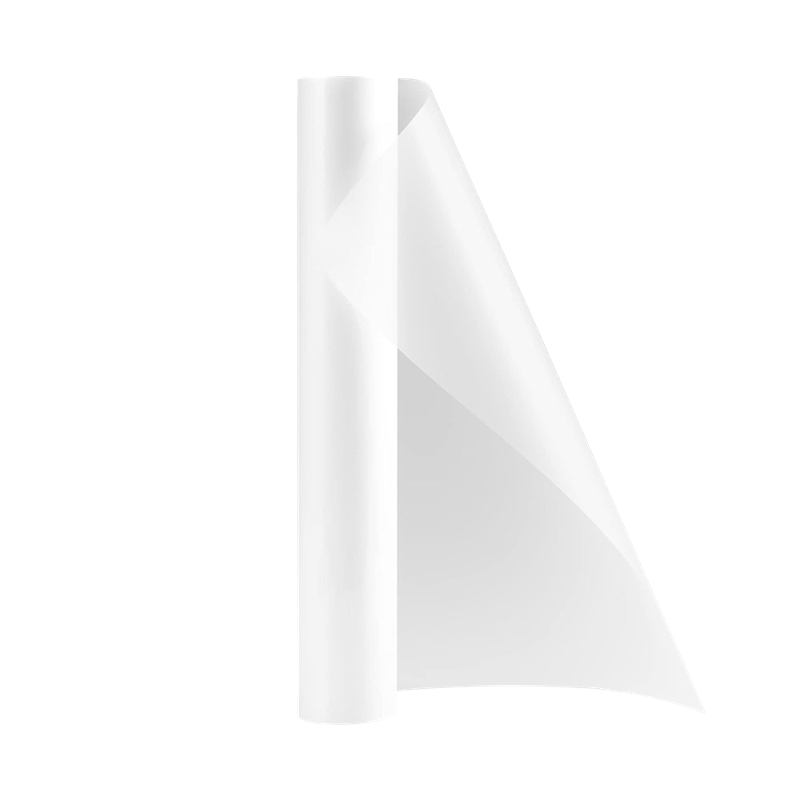
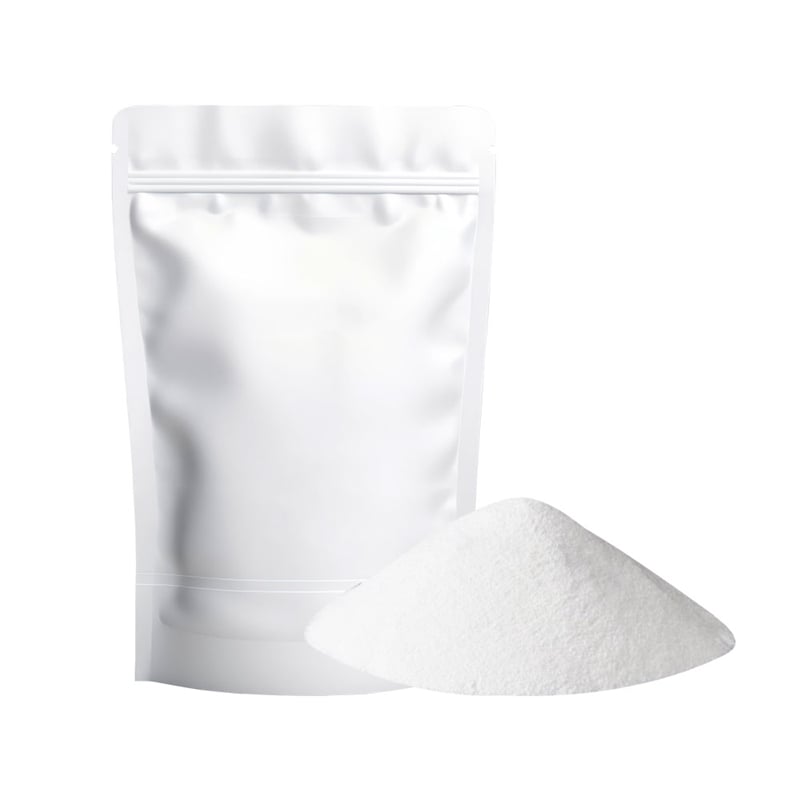
The printer is just the starting investment. DTF printing is a consumables-dependent workflow. Every print uses DTF ink (CMYK + white), PET transfer film, and hot-melt bonding powder. These costs recur with every customize apparel order.
When I started thinking about cost-per-print rather than a per-machine expense, my whole approach to pricing changed. A typical A4 DTF transfer might run $0.80 to $2.00 in direct consumables depending on ink coverage and film quality. Knowing your cost per transfer is the foundation of every pricing decision you'll make.
For a complete entry-level setup, expect to budget $5,000 to $10,000 total—covering the machine ($3,000–$6,000), heat press ($500–$1,500), and an initial consumable stock for your first few hundred prints.
Step 3 – Set Up Your Production Workflow
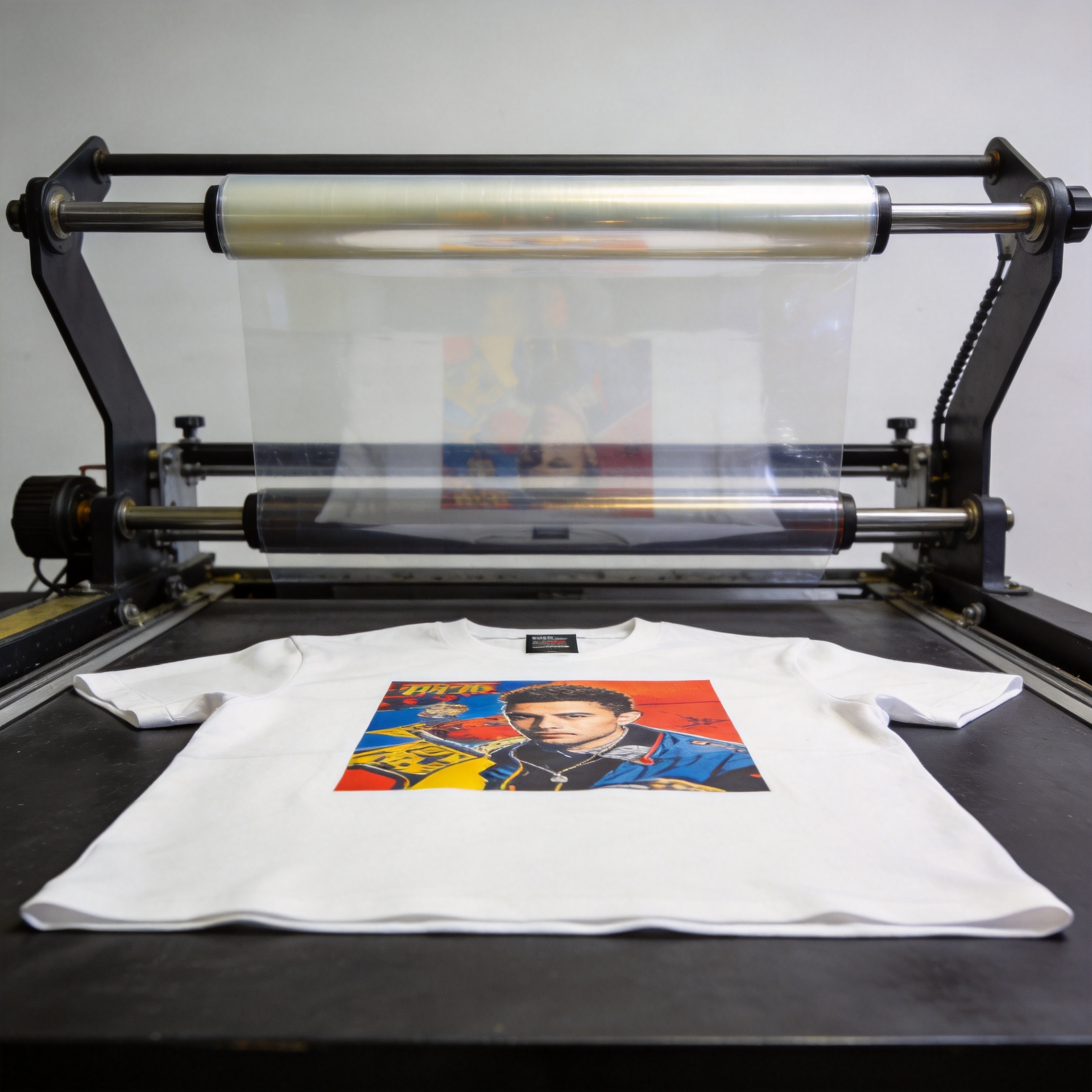
A DTF production run follows a fixed sequence: design preparation → RIP software processing → printing → hot-melt powder application → curing → heat transfer. Whether you're processing tshirt logo printing jobs or full-coverage customize apparel designs, each stage has its own quality variable.
- Design preparation: Vector or high-resolution raster files are well-suited to RIP software processing. Full photographic prints cost essentially the same as simple logos in DTF.
- RIP software: Handles white ink channel generation automatically; it's essential for dark-fabric customize apparel orders where the white underlayer determines final color accuracy.
- Print and powder: Apply hot-melt powder while the ink is still wet, then shake off the excess. Consistency here directly affects adhesion quality on finished garments.
- Curing: The powdered print goes through a curing station to melt the powder into the ink layer. Rushing this step causes transfers to peel prematurely.
- Heat transfer: Apply the cured transfer at around 160°C / 320°F for 10–15 seconds. Consistent pressure and temperature produce reliable results across tshirt logo printing and customize apparel batches.
A practical maintenance note: white ink clogs are a common issue for any DTF t shirt printing machine for small business that sits idle for more than a day or two. A short daily head cleaning cycle prevents significant downtime during busy production periods.
Step 4 – Price Your Custom T-Shirt Orders
Pricing is where many new shops leave money on the table. First-time operators tend to underprice because they don't fully account for labor, overhead, and the cost of rejected or reprinted transfers.
A workable framework:
- Direct cost: consumable cost per transfer + blank garment cost
- Labor factor: time for designing, printing, pressing, and packaging
- Overhead rate: equipment depreciation, electricity, software subscriptions
- Margin: 2–3x markup over direct costs for standard orders; higher for rush or low-quantity customize apparel jobs
Establishing clear price tiers upfront (organized by quantity, garment type, and turnaround) prevents the constant negotiation that erodes margins in the early months of any tshirt logo printing and customize apparel operation.
What to Do Next
Starting a t-shirt printing business with a DTF t shirt printing machine for small business is a realistic path for anyone willing to invest in the right equipment and learn the workflow. The technology has matured to the point where a one-person shop can deliver professional-quality output on day one.
The path is fairly predictable: match the machine to your volume, budget for the full consumable system—not just the hardware—set up a consistent production sequence, and price with full cost visibility from the start.
Sunika offers a range of DTF printers and heat press equipment designed for small business and production environments, with international shipping to European and North American markets. If you're evaluating equipment for your setup, their team can walk through configurations based on your target volume and substrate mix.