EN
EN


Epson DTF Printer Comparison: F1080 vs I3200 Printhead — Which Should You Choose?
Choosing the right Epson DTF printer for your decoration business comes down to one critical variable: the printhead platform. The F1080 and I3200 are the two dominant Epson printhead series used in commercial DTF systems, and the difference between them directly affects throughput, running costs, and long-term ROI. Before committing to any Epson DTF printer purchase, understanding this distinction will save you from the most common sizing mistake in the industry.
Working with DTF equipment buyers across Europe and North America, I've seen the same pattern repeat: the platform decision ends up mattering far more than the machine brand. The cost-per-print difference between F1080 and I3200 setups doesn't show up on a spec sheet—it shows up in your monthly ink invoices and your daily output capacity.
F1080 vs I3200: The Core Platform Difference
The Epson F1080 printhead delivers up to 2,400 dpi resolution and is the standard option in compact Epson DTF printer configurations, from A3 desktop systems to dual-head 330–400mm production machines. Its nozzle count is lower than the I3200, which limits peak print speed—but it offers consistent, high-quality output at a more accessible price point for growing shops.
The Epson I3200 printhead operates with approximately 3,200 nozzles per head, enabling print speeds up to 35 square meters per hour in standard mode. In real-world dual-head configurations, production throughput runs between 13 and 20 linear meters per hour depending on pass mode and print width. Like the F1080, the I3200 supports 2,400 dpi—the quality ceiling is comparable, but the speed advantage is substantial.
Print Speed and Production Throughput
If your print volume is consistent and you're running full production shifts, the Epson I3200 gives you 2–3 times the output per hour of a comparable F1080 setup—which becomes critical when you're fulfilling 500 or more transfers per day. Dealers and distributors serving multiple downstream clients consistently tell me the I3200 platform removes throughput as a limiting constraint.
The F1080 works well for operations running irregular volumes or still in the scaling phase. For buyers facing seasonal order spikes rather than sustained daily volume, the F1080 Epson DTF printer covers demand without overcommitting capital. If your print volume is consistent, this platform performs reliably—but if you're managing seasonal peaks or irregular order cycles, think through the throughput implications carefully before choosing the lower-speed option.
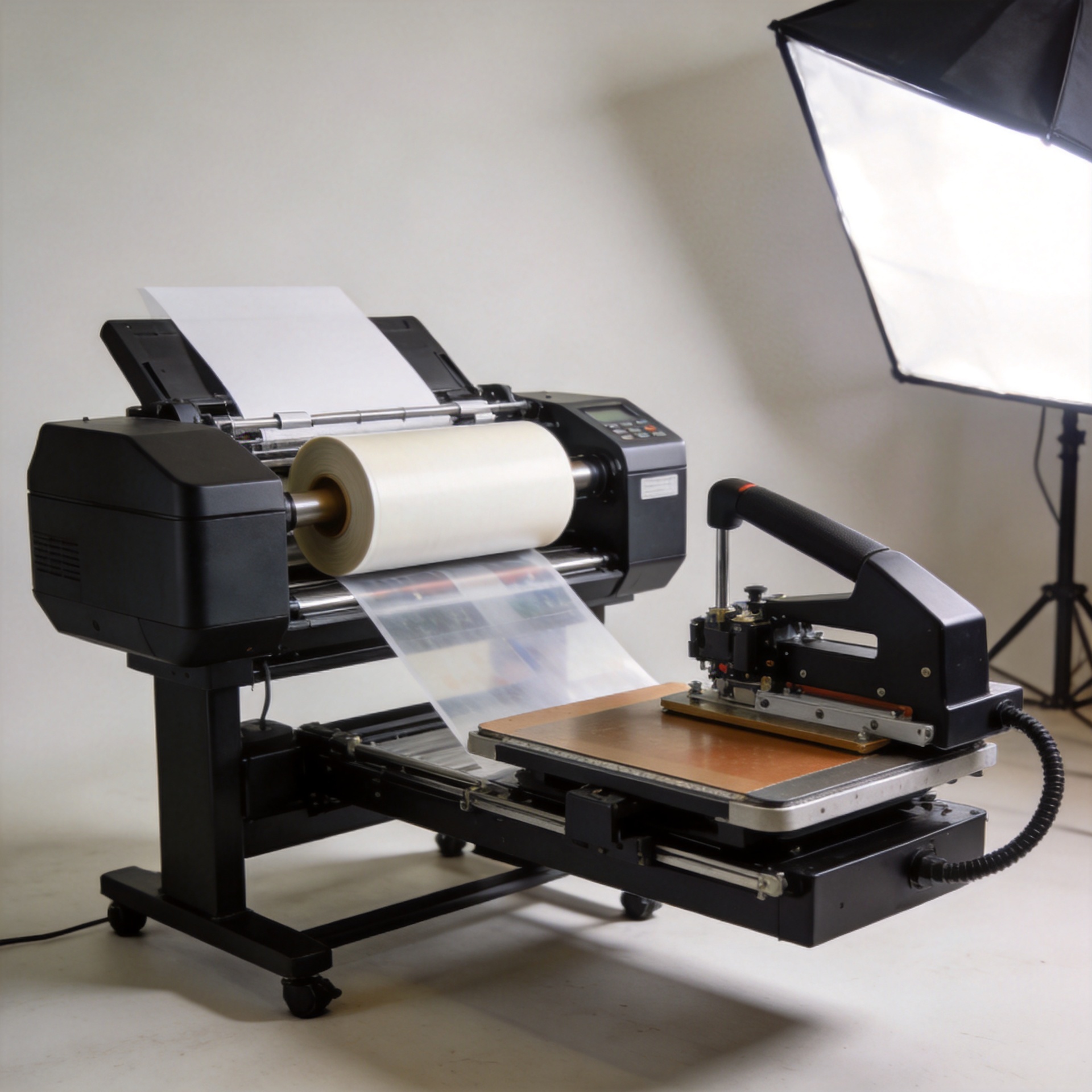
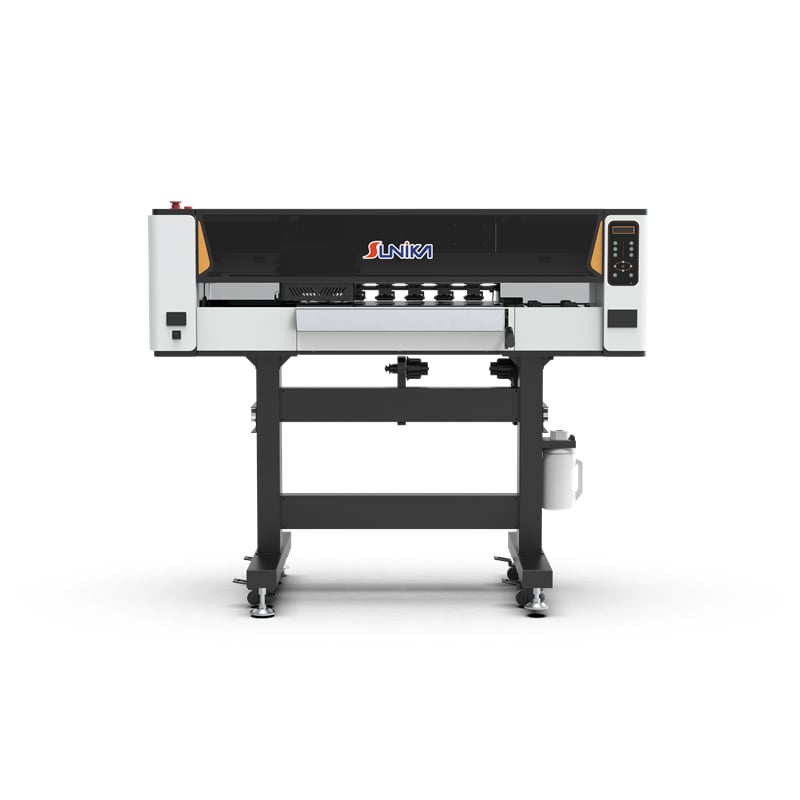
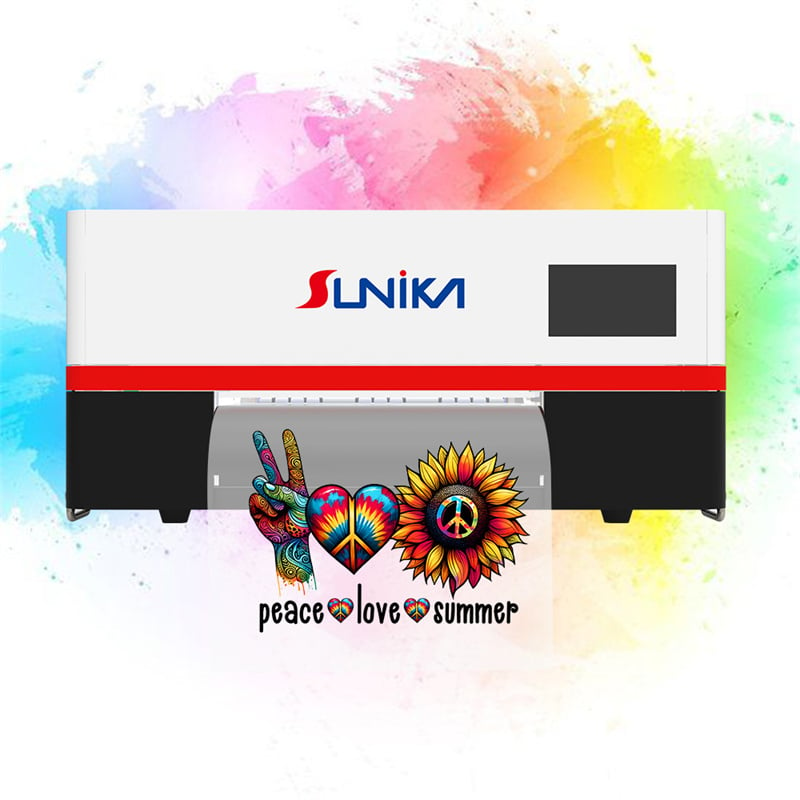
Sunika's SK60 DTF Printer with Dual I3200 Heads is a 600mm production machine engineered for high-volume output across European and North American apparel markets. For mid-volume shops, the SK-A302 with Dual F1080 Heads delivers quality-first performance in a compact 12-inch format.
Color Performance and Print Quality
Both platforms produce photographic-quality DTF transfers on light and dark garments, with white ink underlayers enabling vibrant results on black and dark fabrics without pretreatment. At maximum resolution, both the F1080 and I3200 Epson DTF printer configurations support 2,400 dpi and CMYK+W ink—the quality ceiling is equivalent.
Where buyers notice a difference is ink delivery consistency at high production speeds. The I3200's nozzle architecture is optimized for smooth ink delivery under sustained load, which reduces micro-banding artifacts in fast-pass production modes. For buyers serving clients with strict brand color standards, this consistency advantage at speed is worth factoring into the platform decision.
Ink Consumption and Running Costs
The upfront cost is just one part of the equation. Once daily production begins, the real metric that shapes your margins is cost-per-print—not the machine purchase price. The I3200's higher throughput improves cost-per-print economics at high utilization: fixed operating overhead is spread across more outputs per shift.
The F1080 doesn't consume more ink per print, but its lower output rate means the economics favor the I3200 at sustained scale. For buyers running fewer than 200 prints per day, the F1080's lower upfront cost and moderate running costs are typically more favorable. Above that threshold, the I3200 becomes increasingly efficient as utilization rises—a pattern that strongly favors commercial dealers running multi-client DTF capacity.
Maintenance and Downtime Risk
One operational reality that surprises many first-year DTF operators: white ink channel clogging after idle periods is a real risk on any Epson DTF printer platform. Managing it requires consistent printing schedules, regular head cleaning cycles, and proper ink circulation routines. This is true for both F1080 and I3200 systems—the platform doesn't change the maintenance discipline required.
Expect a calibration period when setting up any new Epson DTF printer. Getting color profiles dialed in takes time, and expecting plug-and-play performance from day one leads to avoidable frustration. Once calibrated, the workflow on both platforms becomes highly repeatable. I3200-based systems carry higher head replacement costs due to their more complex construction; F1080 head replacement is lower-cost, which reduces the financial exposure of a head failure in smaller operations.
F1080 vs I3200 Epson DTF Printer: Side-by-Side Comparison
| Factor | F1080 Platform | I3200 Platform |
|---|---|---|
| Max Resolution | Up to 2,400 dpi | Up to 2,400 dpi |
| Nozzle Count | Lower (entry–mid tier) | ~3,200 nozzles/head |
| Peak Print Speed | Moderate | Up to 35 sq m/hr per head |
| Dual-Head Throughput | Suitable under ~200 prints/day | 13–20 m/hr; ideal for 200+ prints/day |
| Upfront Cost | Lower | Higher |
| Head Replacement Cost | Lower risk | Higher investment |
| Suited For | Small–mid, A3 to 400mm | Mid–high volume, 500–600mm+ |
Which Platform Matches Your Business?
If your priority is controlling upfront investment while building a quality-focused custom operation, the F1080 Epson DTF printer platform is the practical starting point. The Sunika SK-A3 A3 DTF Printer with F1080 Head is a compact A3 option suited to shops scaling from semi-professional to consistent production volume.
If your priority is sustained production throughput—running consistent daily volume or distributing DTF capacity to downstream clients—the I3200 gives you the infrastructure to grow without hitting speed bottlenecks. This is the platform found in commercial-scale decoration operations across the European and North American markets.
Unlike the epson l1800 dtf printer conversions used in entry-level setups, both the F1080 and I3200 are purpose-engineered industrial printheads designed for sustained production environments. The choice between them isn't about which is better in absolute terms—it's about matching the Epson DTF printer platform to your current volume, your growth trajectory, and the total cost structure your business requires.