EN
EN

DTF vs Sublimation for T-Shirt Printing: Which Is Better for Your Business?
When businesses start evaluating tshirt printers, the comparison between DTF and sublimation comes up almost immediately. Both are viable methods for producing vibrant, wash-durable custom apparel—but the right choice depends on your fabric mix, garment colors, and business model. In practice, the choice usually comes down to fabric compatibility and order flexibility—factors that standard product specs rarely address directly.
How Each Method Works
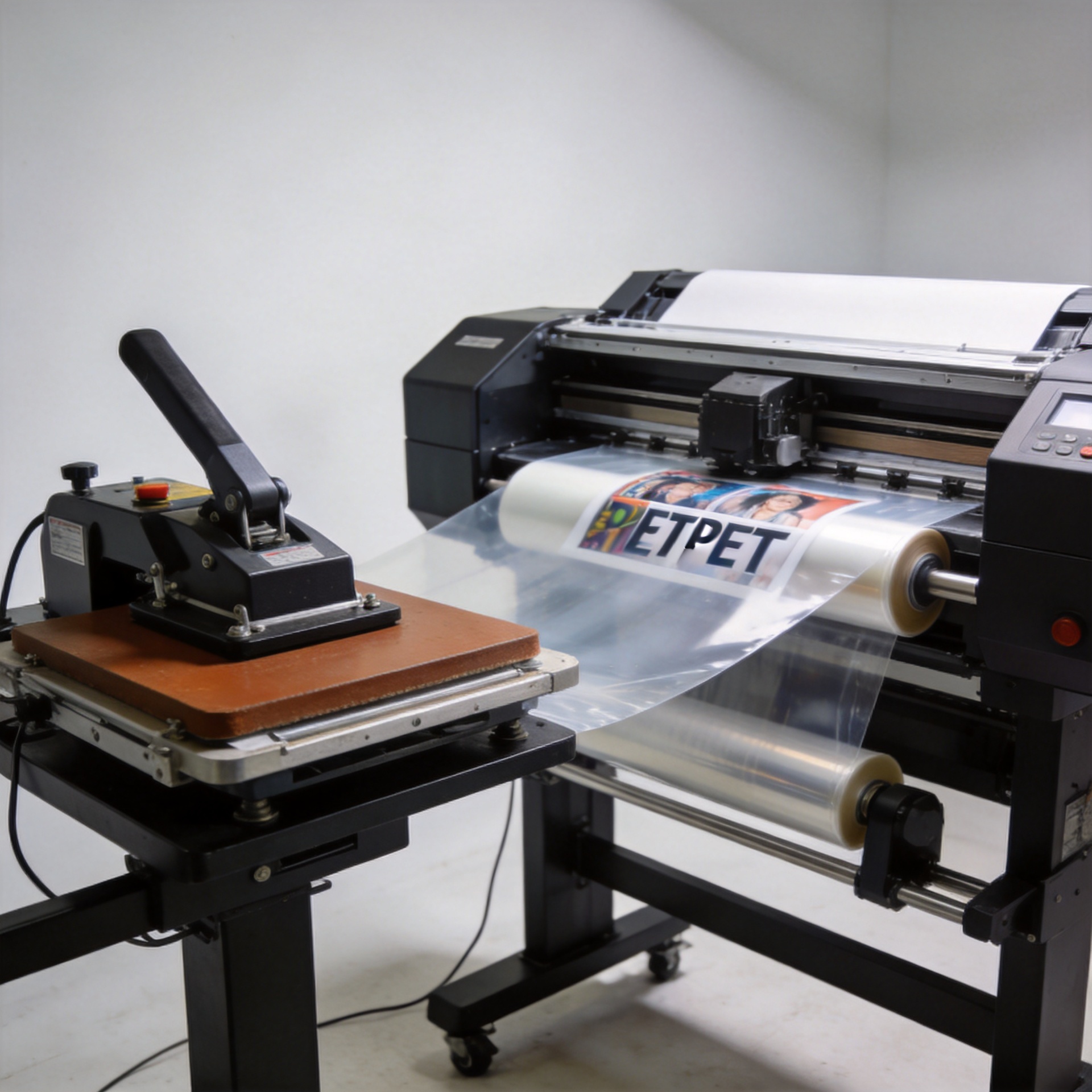
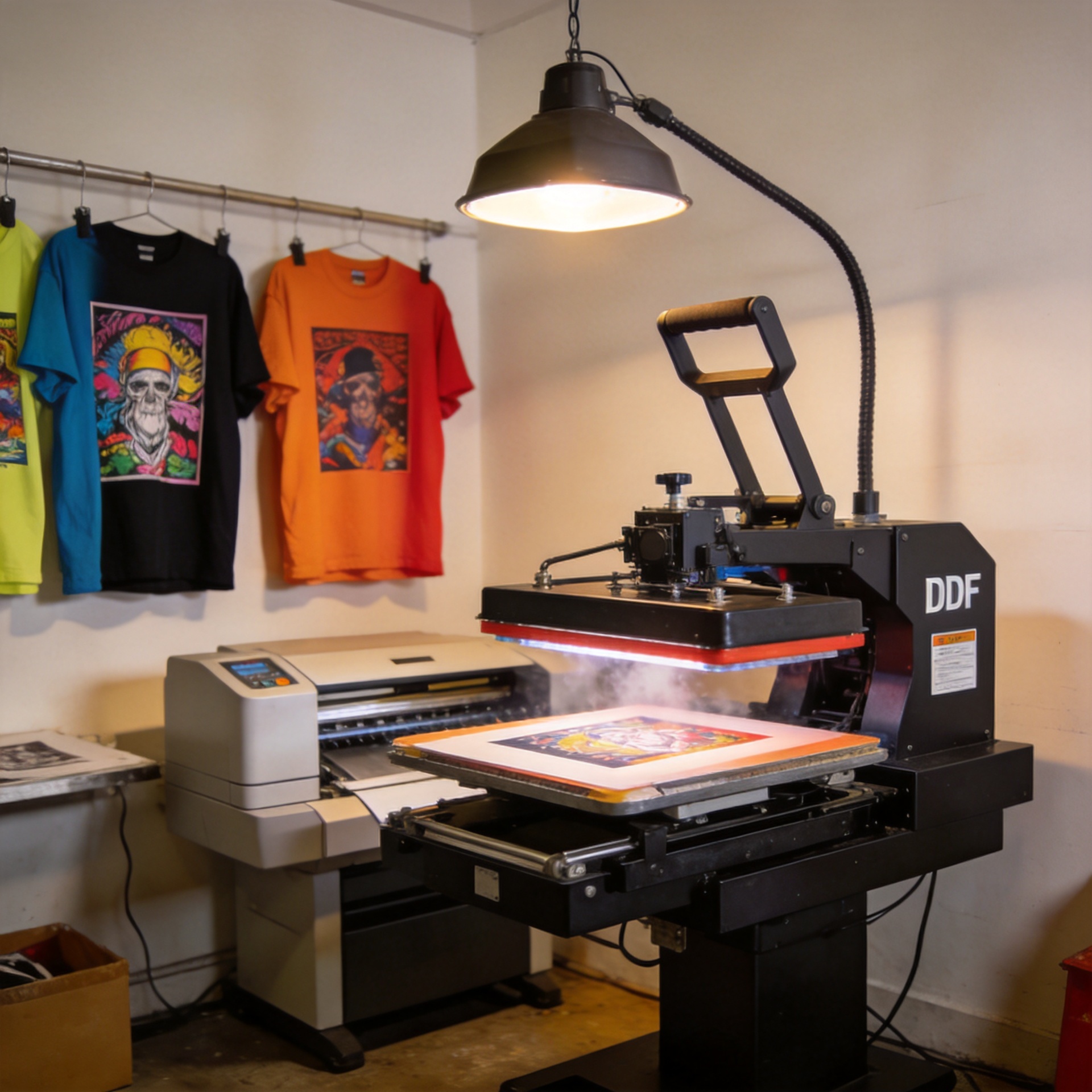
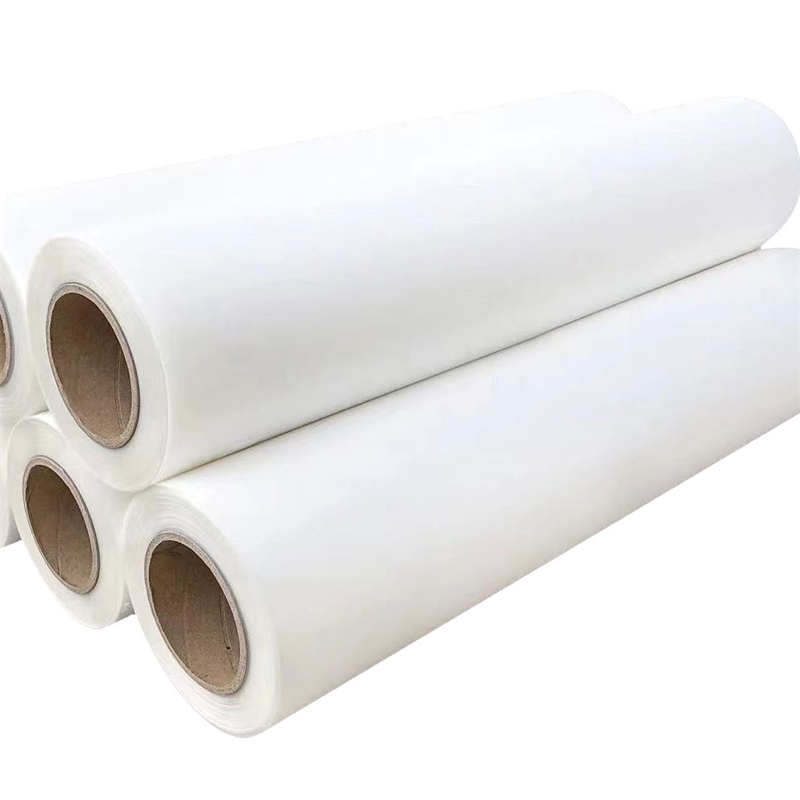
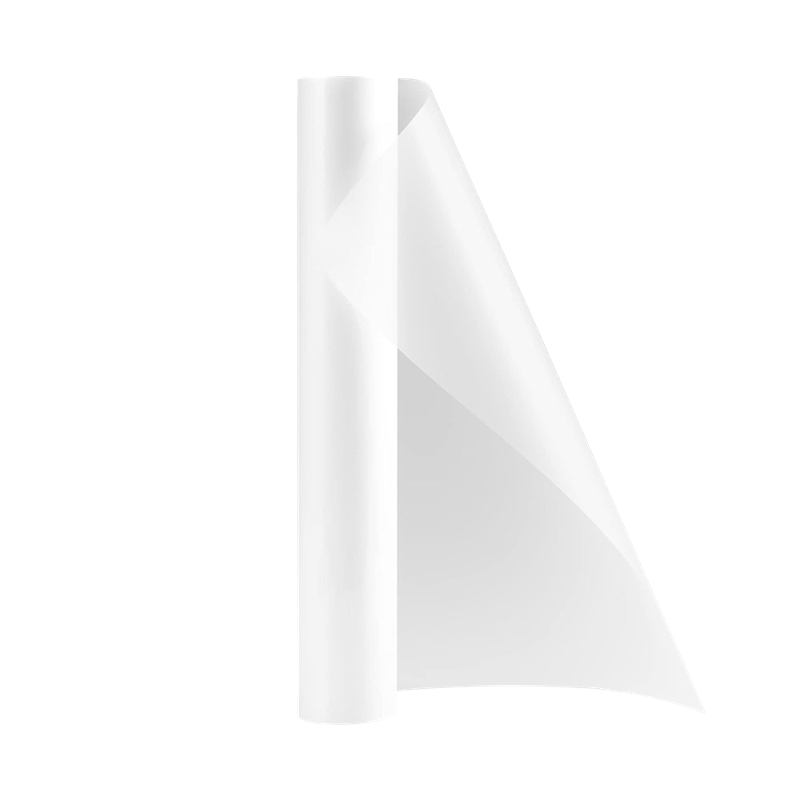
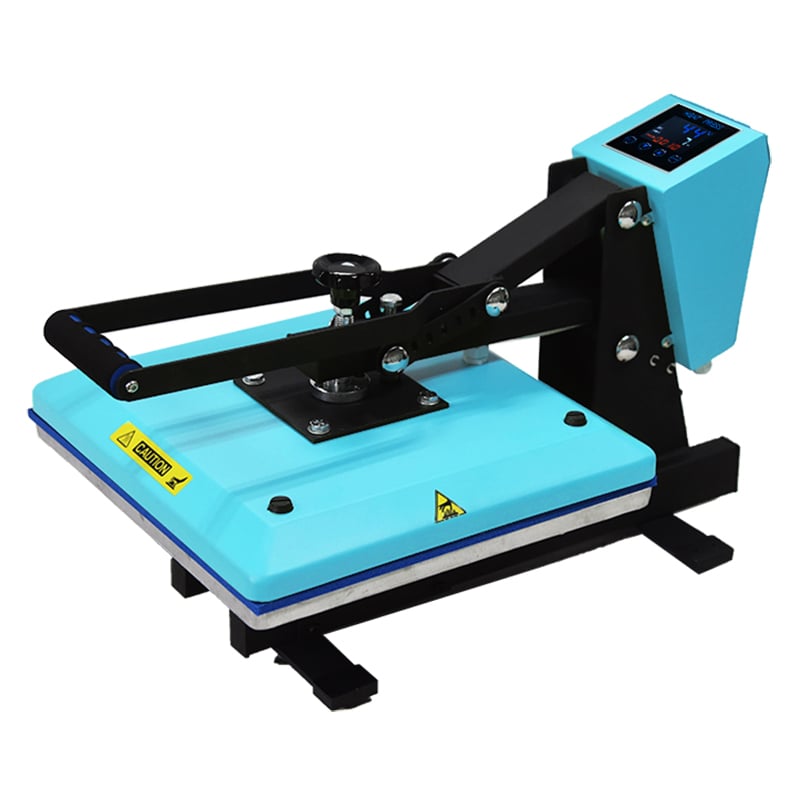
Direct-to-Film (DTF) printing involves printing a design onto a special PET film using pigment-based inks—including a white ink underlayer—then heat-pressing the film transfer onto garments. DTF tshirt printers handle cotton, polyester, blends, and dark fabrics without pretreatment. The result is a full-color print with a slight tactile texture adhered to the fabric surface.
Sublimation printing uses heat to convert dye directly into gas, bonding it into the fabric at a molecular level. Sublimation-based tshirt printers produce a finish with zero texture—the design becomes part of the fabric itself. However, this process only works on polyester or polymer-coated surfaces, which limits substrate options significantly.
Fabric Compatibility: The Key Differentiator for Tshirt Printers
If your priority is fabric versatility, DTF tshirt printers are the stronger choice. DTF works on cotton, polyester, nylon, blended fabrics, and non-fabric surfaces without any pretreatment. More importantly, DTF supports printing on both light and dark garments because the white ink underlayer provides the base for vibrant color on any fabric color—including black dtf shirts that sublimation simply cannot handle effectively.
Sublimation tshirt printers, on the other hand, require a substrate with at least 65% polyester content to produce acceptable color vibrancy, and work most effectively at 100% polyester. They cannot print effectively on dark fabrics because the process adds dye to the fabric—dark fabric colors show through and dull the design.
Some people argue that sublimation is the better fit for custom apparel businesses because of its soft hand feel—and they're right, in the right context. But if your orders regularly include cotton hoodies, dark t-shirts, or mixed-fabric blanks, sublimation tshirt printers aren't workable without splitting production into two separate lines.
Print Quality: Color, Feel, and Wash Durability
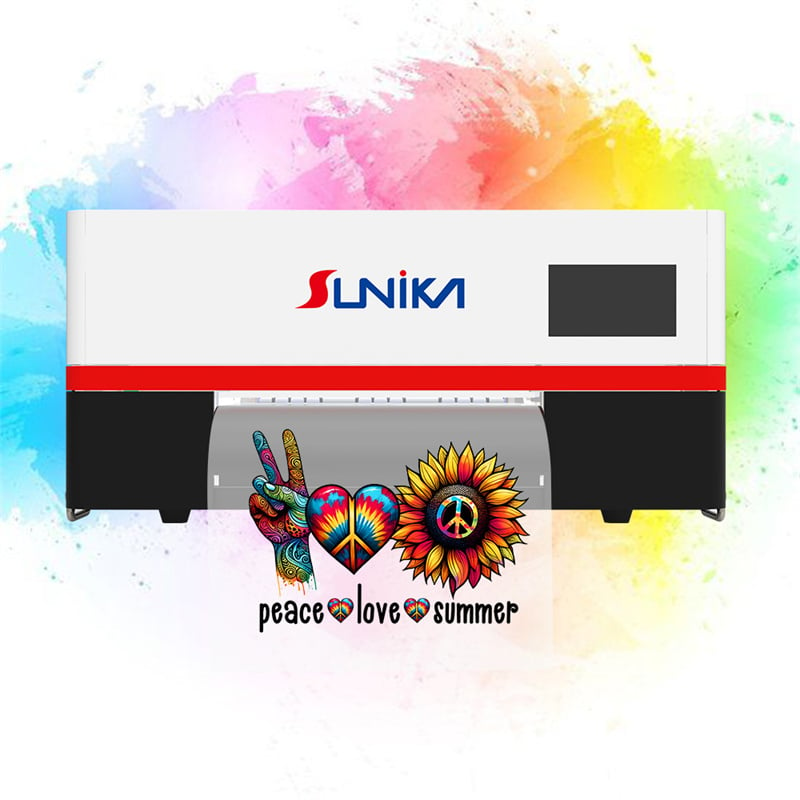
Color performance on dark fabrics is one of the first dimensions to test when choosing between DTF and sublimation tshirt printers. DTF produces photographic-quality color on both light and dark garments. The white ink underlayer ensures that colors pop even on black fabric. The print has a slightly raised texture that most customers accept well for detailed, multi-color dtf shirts designs.
Sublimation produces a flat, texture-free finish that feels identical to the fabric. For performance apparel, sportswear, or fashion-forward applications where hand feel matters, sublimation tshirt printers are genuinely hard to beat on 100% polyester. Color gamut on white polyester is excellent, with photographic-quality gradients.
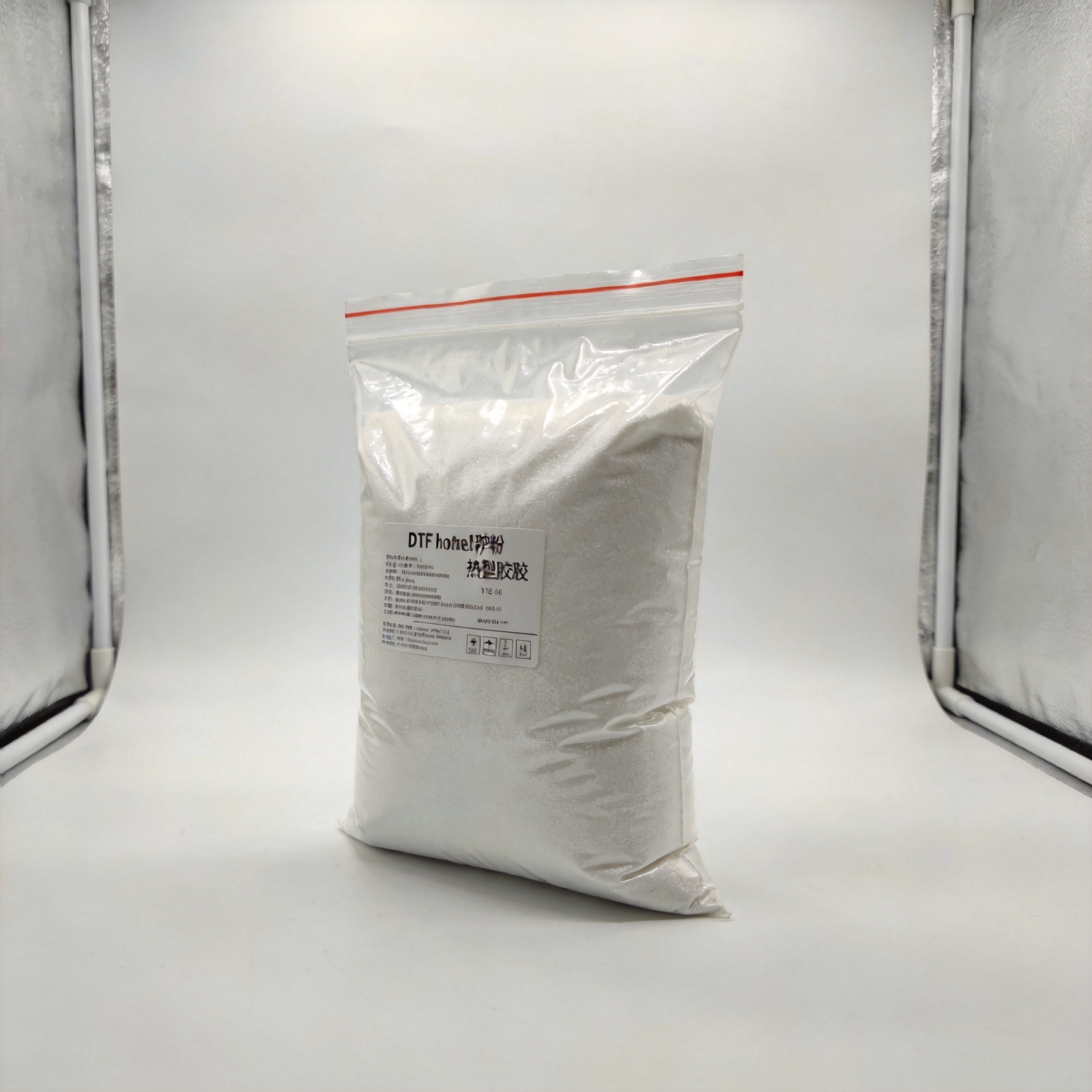
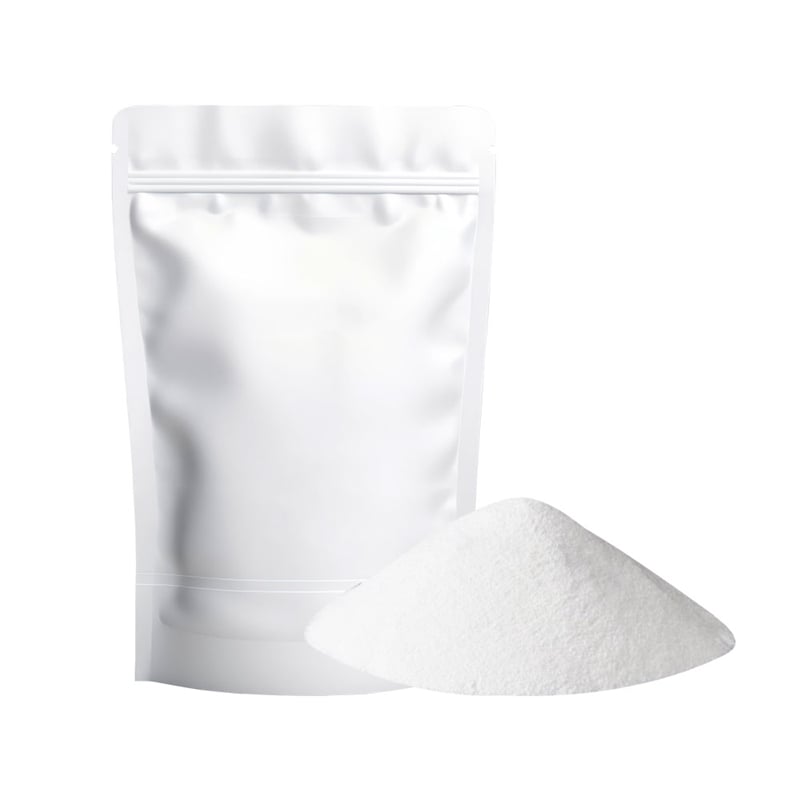
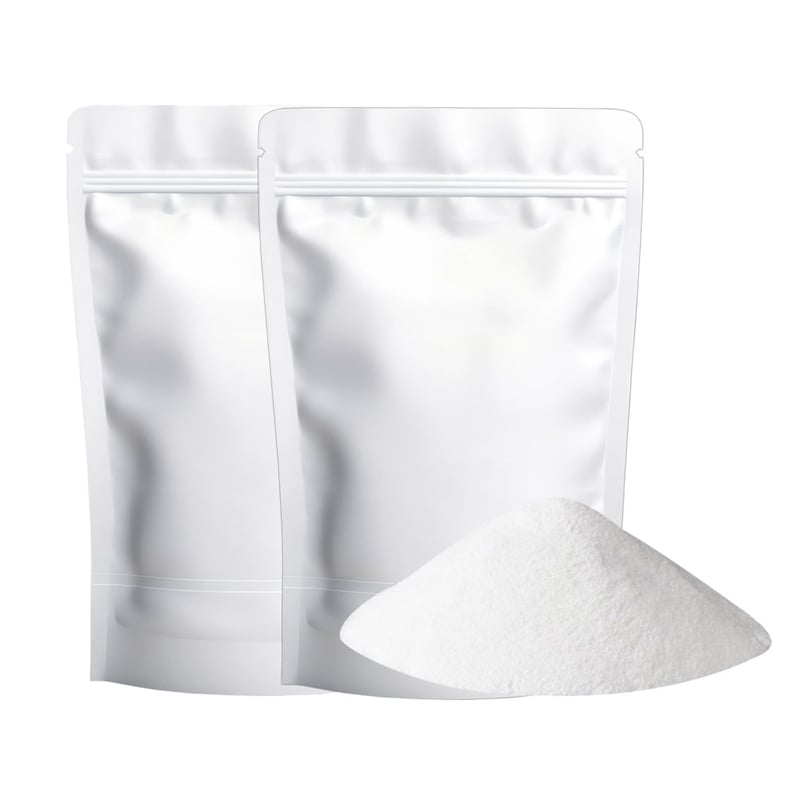
Both technologies offer strong wash durability when properly applied. DTF transfers resist cracking, peeling, and fading across repeated wash cycles. Sublimation, being embedded in the fiber, is inherently durable. DTF's wash durability depends heavily on hot-melt powder application quality and curing temperature calibration—two variables worth dialing in early.
Cost Structure and Small-Batch Economics
You might be thinking that sublimation tshirt printers are more cost-efficient for small shops—they often carry a lower entry price than DTF equipment. That logic holds—until you run the numbers against your actual fabric mix and order patterns.
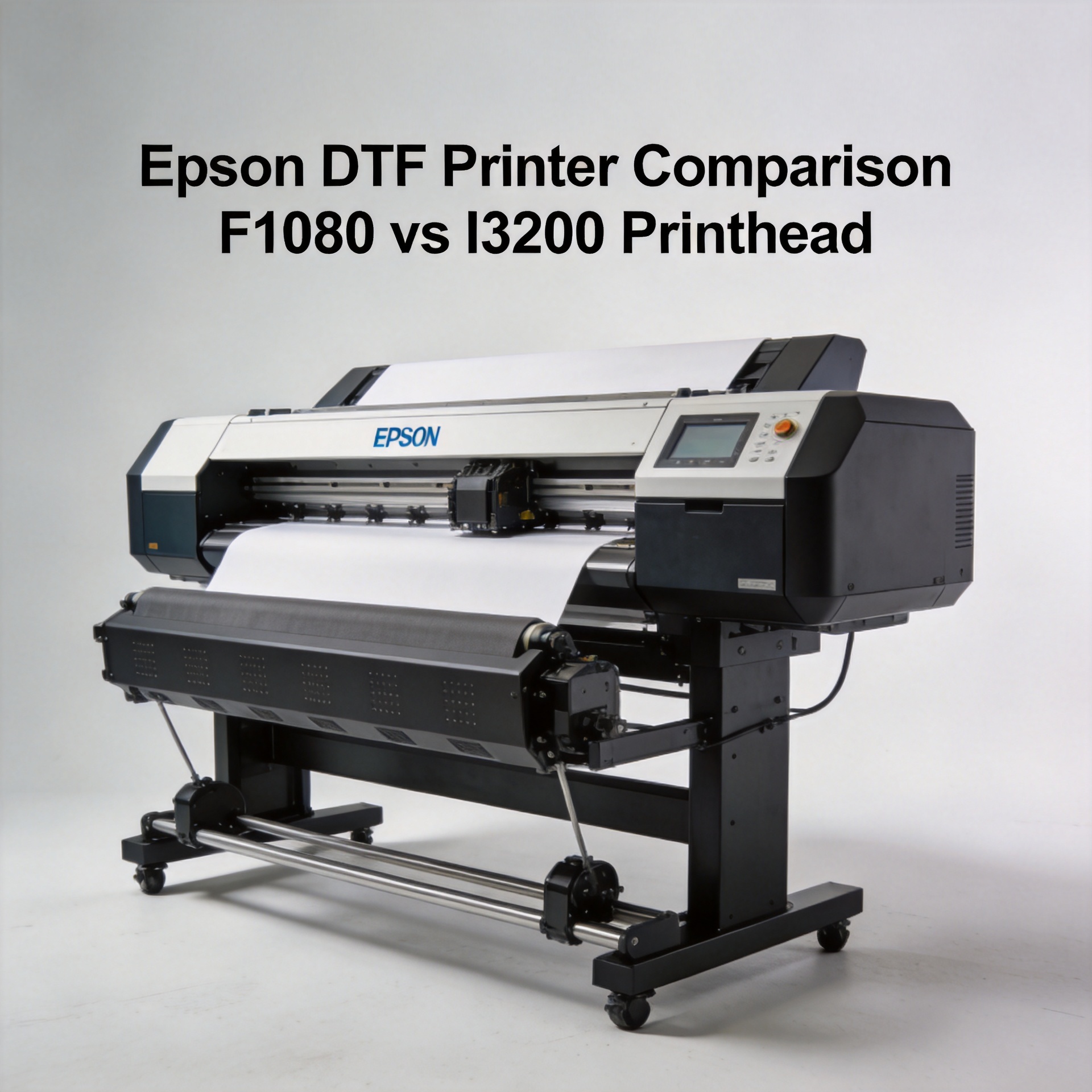
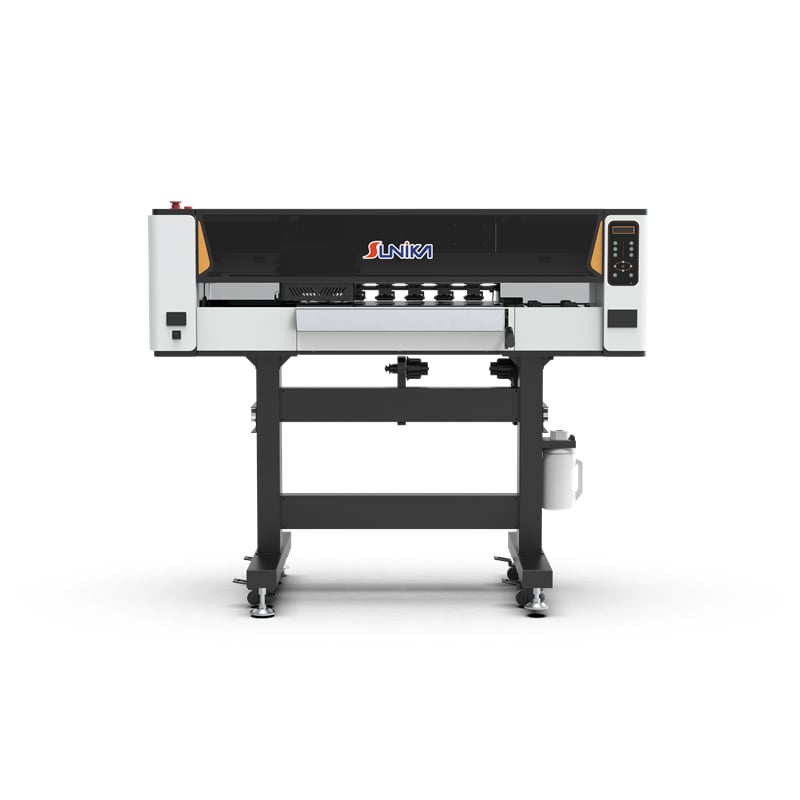
Entry-level DTF tshirt printers typically range from $1,500 to $7,000 for desktop models, with per-print consumable costs around $1.50–$4.00 for small prints. Equipment like the Sunika SK-A3 DTF Printer (A3 format, Epson F1080 printhead) or the SK-A302 12-inch DTF Printer (dual-head F1080) fit small to mid-size shops that need reliable tshirt printers output without a large floor footprint.
For businesses with higher volume, the Sunika SK60 (600mm, dual I3200) offers production-scale throughput while maintaining the same fabric-agnostic DTF workflow that distinguishes these tshirt printers from sublimation alternatives.
Sublimation setups require less per-print consumable cost for polyester-only operations, but the fabric constraint limits your ability to customize apparel orders involving cotton or dark blanks—in European and North American markets, the majority of t-shirt orders involve cotton fabrics that sublimation tshirt printers cannot serve.
Which Tshirt Printers Fit Your Business?
Both types of tshirt printers have legitimate use cases. Here's how to match the technology to your situation:
- Mixed fabric inventory (cotton + polyester + blends): DTF tshirt printers handle all fabric types without splitting production lines, and dark garments don't limit your catalog.
- Performance apparel, sportswear, or all-over print on 100% polyester: Sublimation tshirt printers deliver zero-texture prints with exceptional color gamut. Worth investing in if polyester is your core substrate.
- Small-batch, multi-style custom orders—events, merch, retail: DTF tshirt printers enable gang printing, no minimum order flexibility, and quick turnaround across any garment color or fabric type. Ideal for customize apparel businesses serving diverse customer requests.
- Wholesale or reseller operations targeting European or North American markets: DTF tshirt printers work on cotton—the dominant blank in those markets—giving you product range that sublimation cannot cover.
Making the Decision
For most small and mid-size businesses building or expanding a custom dtf shirts and customize apparel offering, DTF tshirt printers provide broader operational fit: fabric versatility, dark-garment capability, and small-batch economics that sublimation can't match across mixed-fabric catalogs. Sublimation tshirt printers remain the right answer for dedicated polyester-focused operations where hand feel and per-print cost on white blanks are the priority.
Sunika manufactures DTF tshirt printers from compact A3 desktop models to 600mm production-width machines, built for custom apparel businesses serving international markets. If you're evaluating which tshirt printers fit your operation, start with your fabric mix and order profile—then match the equipment to that reality rather than to the price tag alone.