EN
EN


DTF vs DTG Printing: Which Technology Is Better for T-Shirt Printing?
If you're investing in a t shirt printer for custom apparel decoration, the DTF vs DTG decision comes early. Both are digital inkjet methods that handle full-color designs without screens or plates. Both can produce professional results on t-shirts. But they work differently enough that choosing the wrong technology for your fabric mix and production volume will cost you in consumables, downtime, or rework in ways that aren't obvious from spec sheets.
This comparison covers print quality, fabric compatibility, operating costs, and maintenance requirements — the four factors that actually determine which t shirt printer technology fits your business model. Neither method is universally better; the right choice depends on what you're decorating, in what volume, and for which customers.
How Each Technology Works
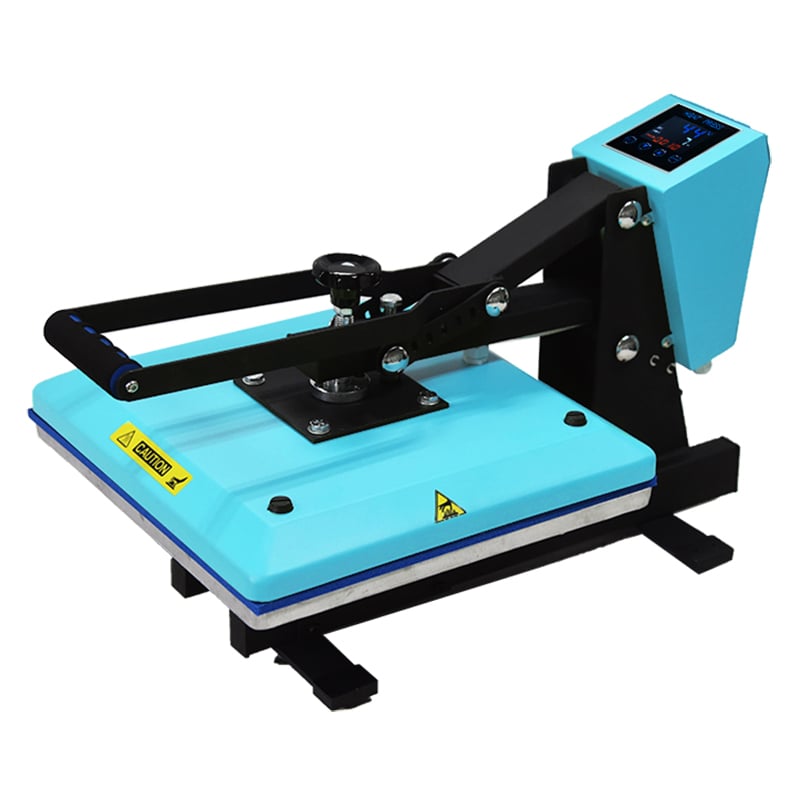
A DTG t shirt printer deposits ink directly onto the fabric surface using modified inkjet print heads. The garment is placed on a platen, ink is sprayed directly, and a heat press cures it in place. On dark garments, DTG requires a liquid pretreatment (applied by a separate machine) that creates a bonding base for the ink. Without it, colors appear washed-out on dark fabrics.
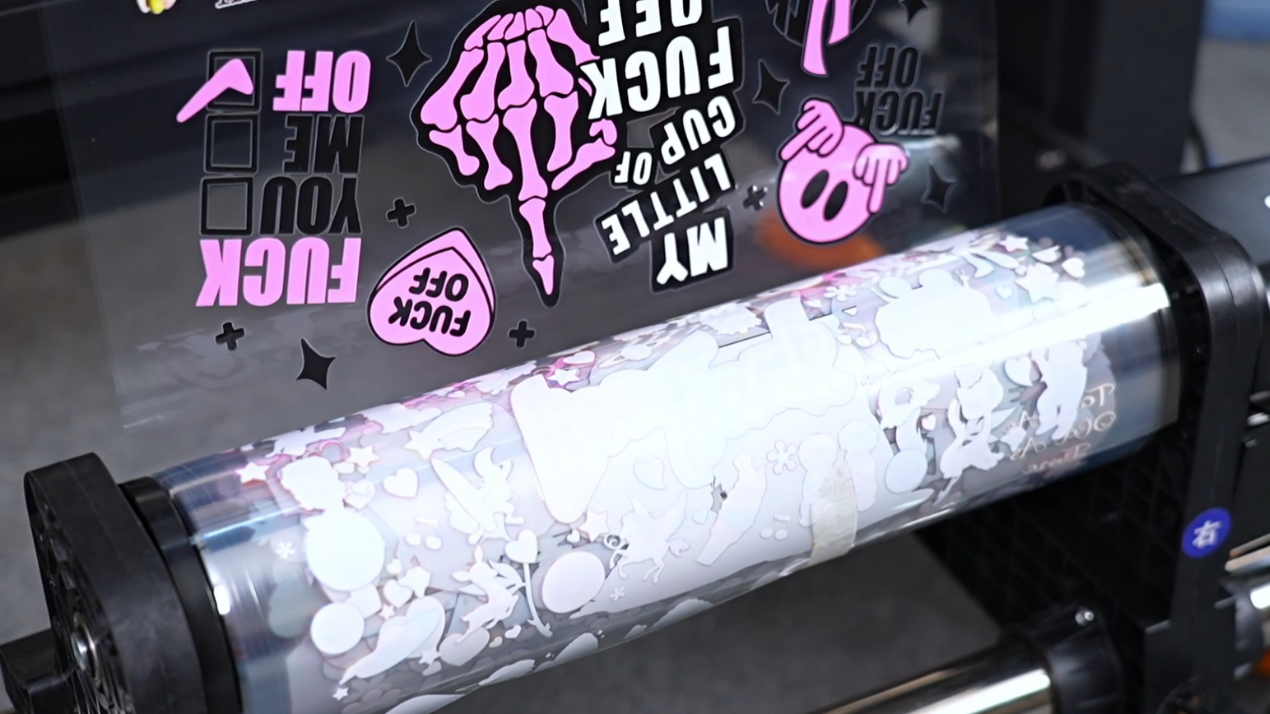
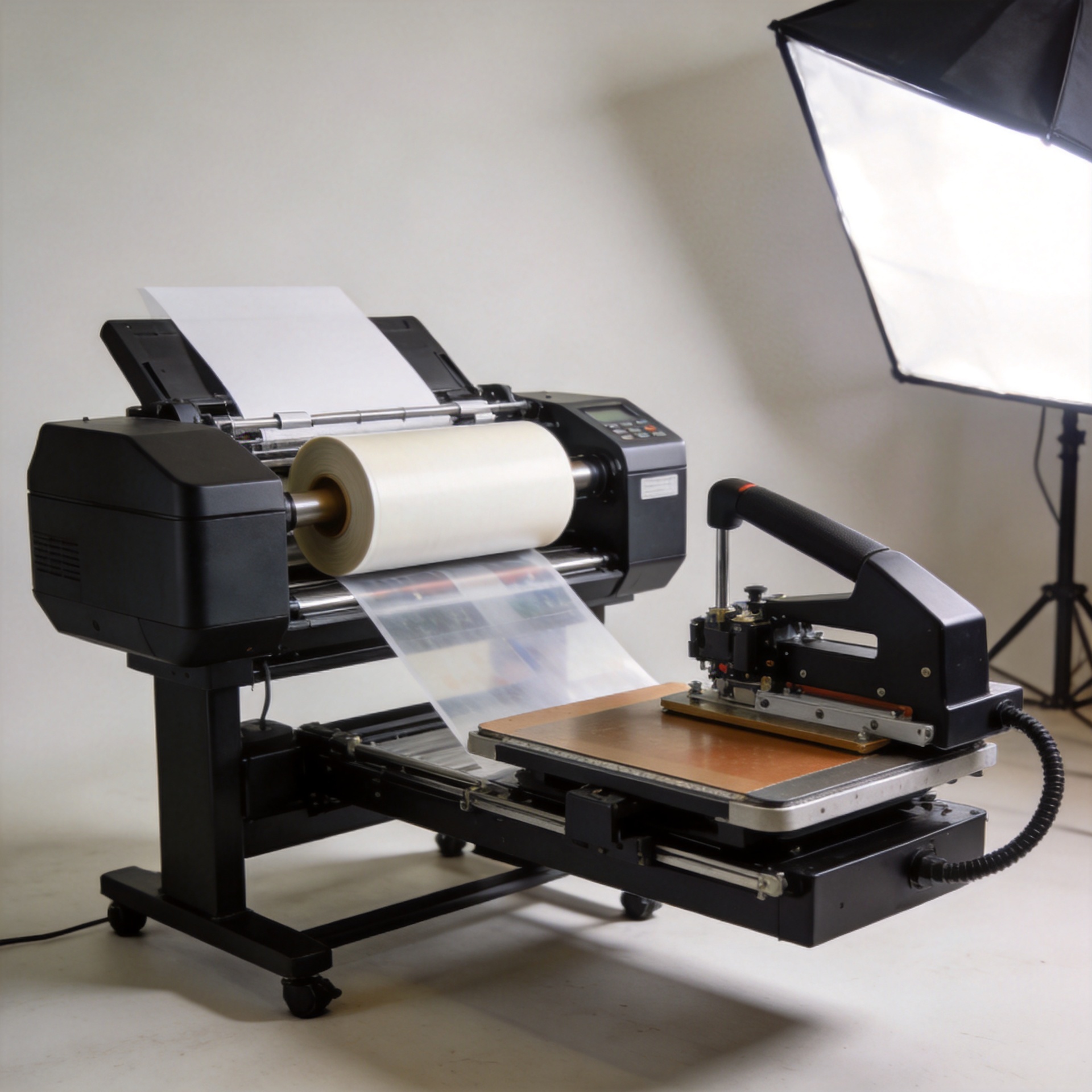
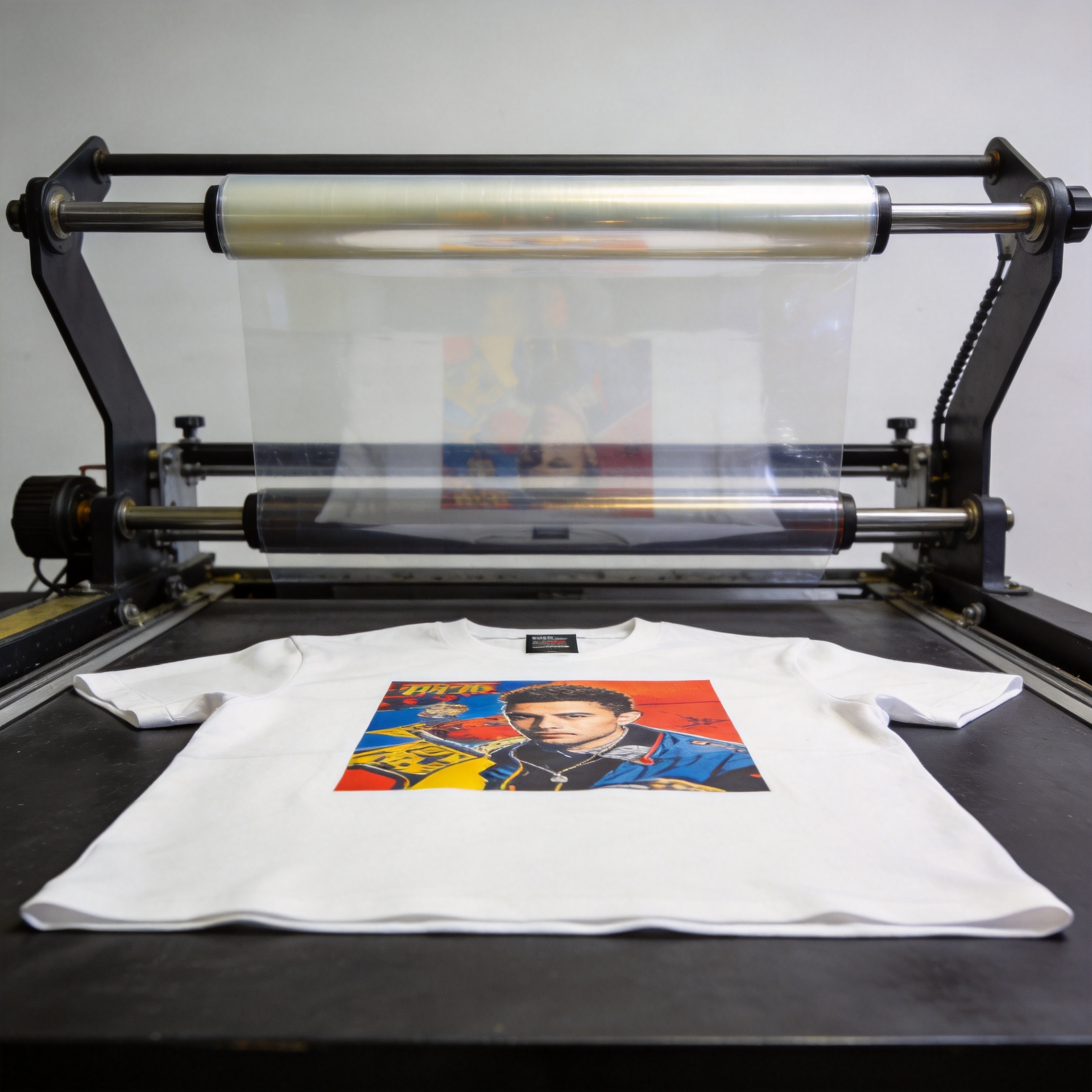
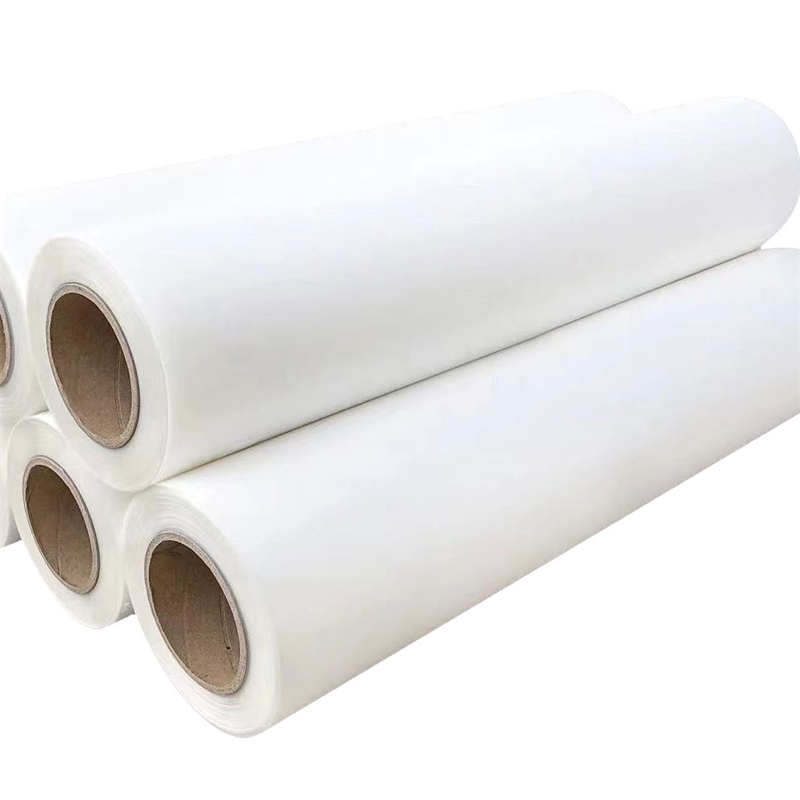
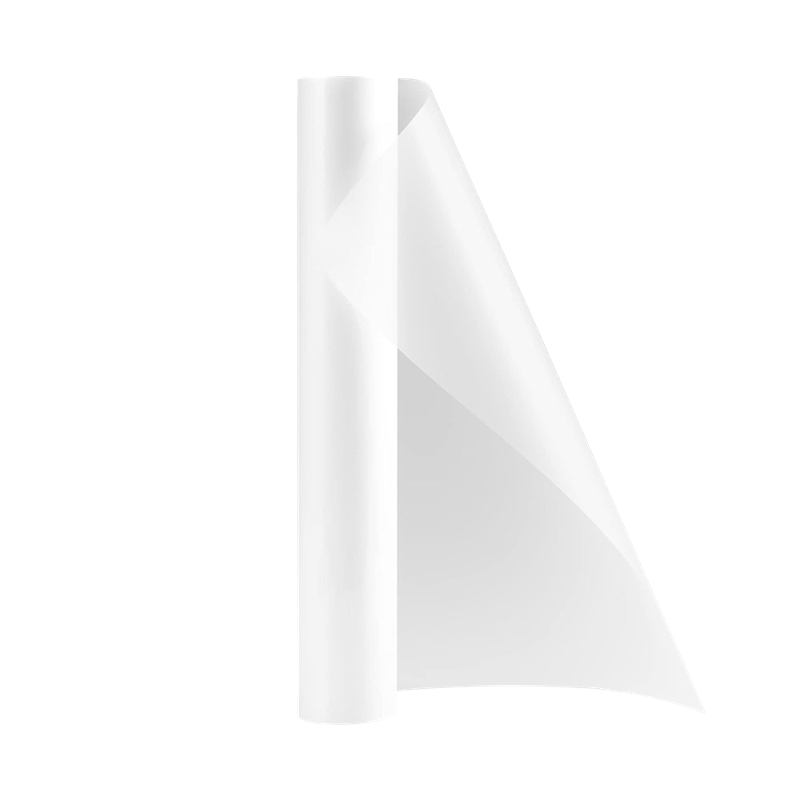
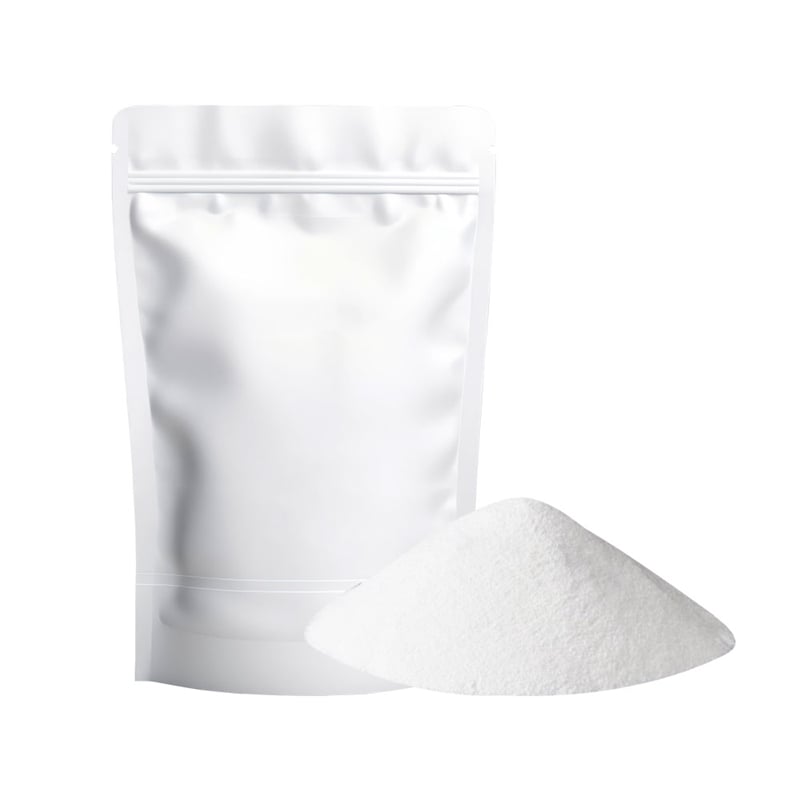
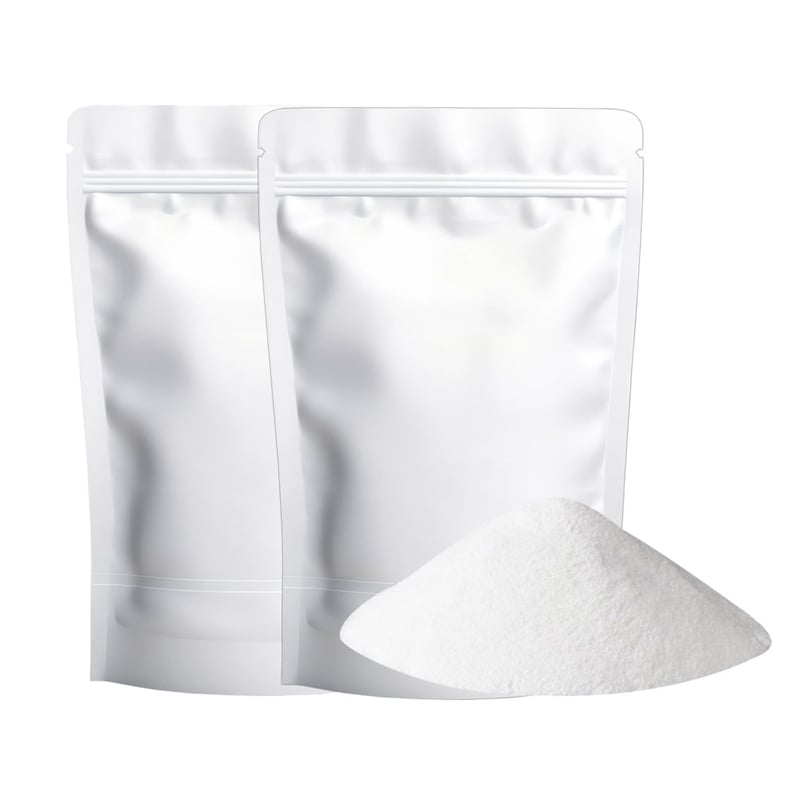
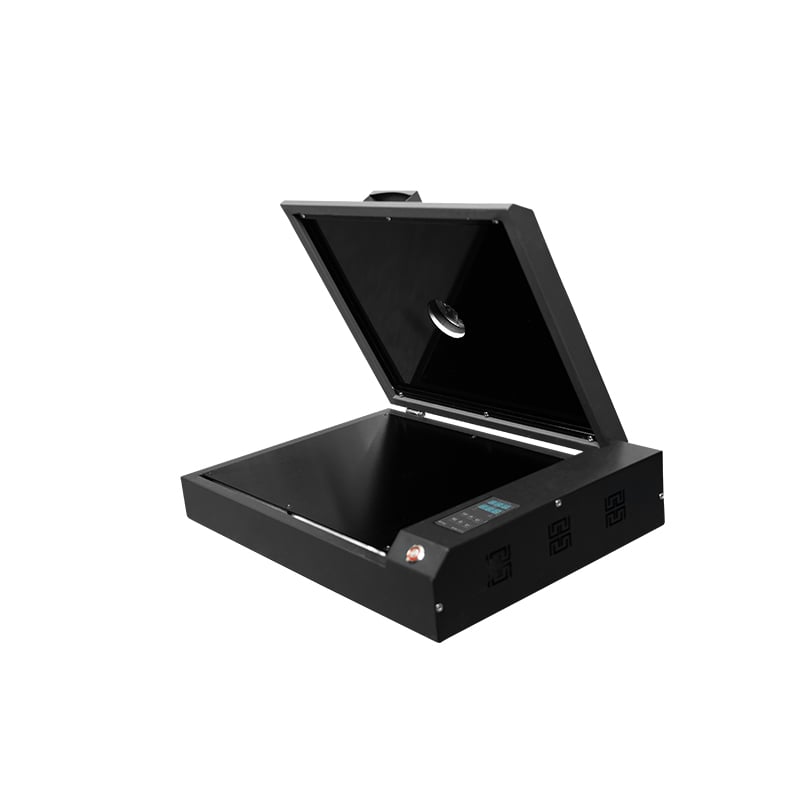
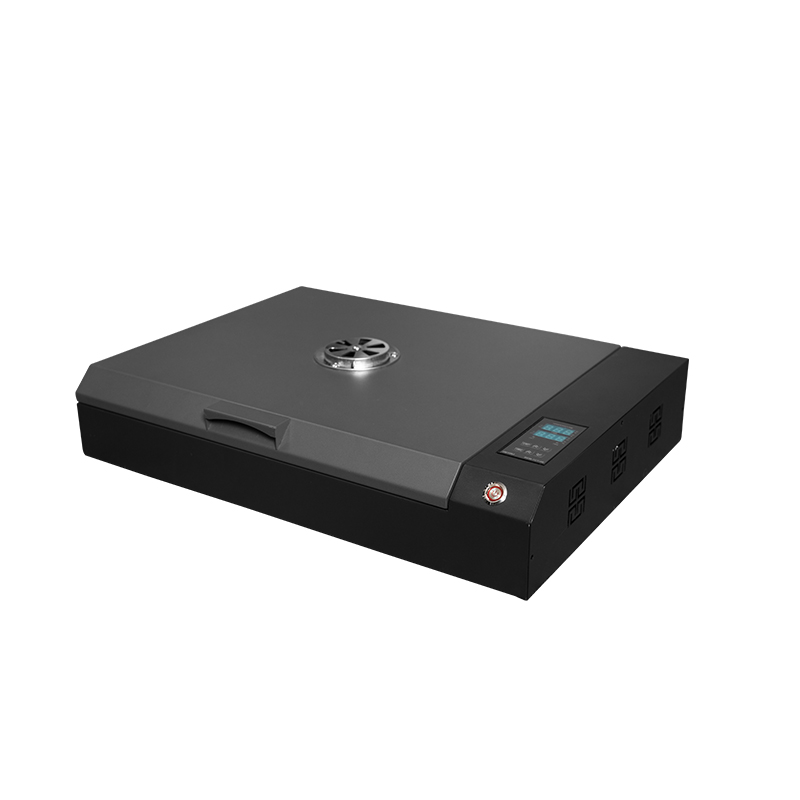
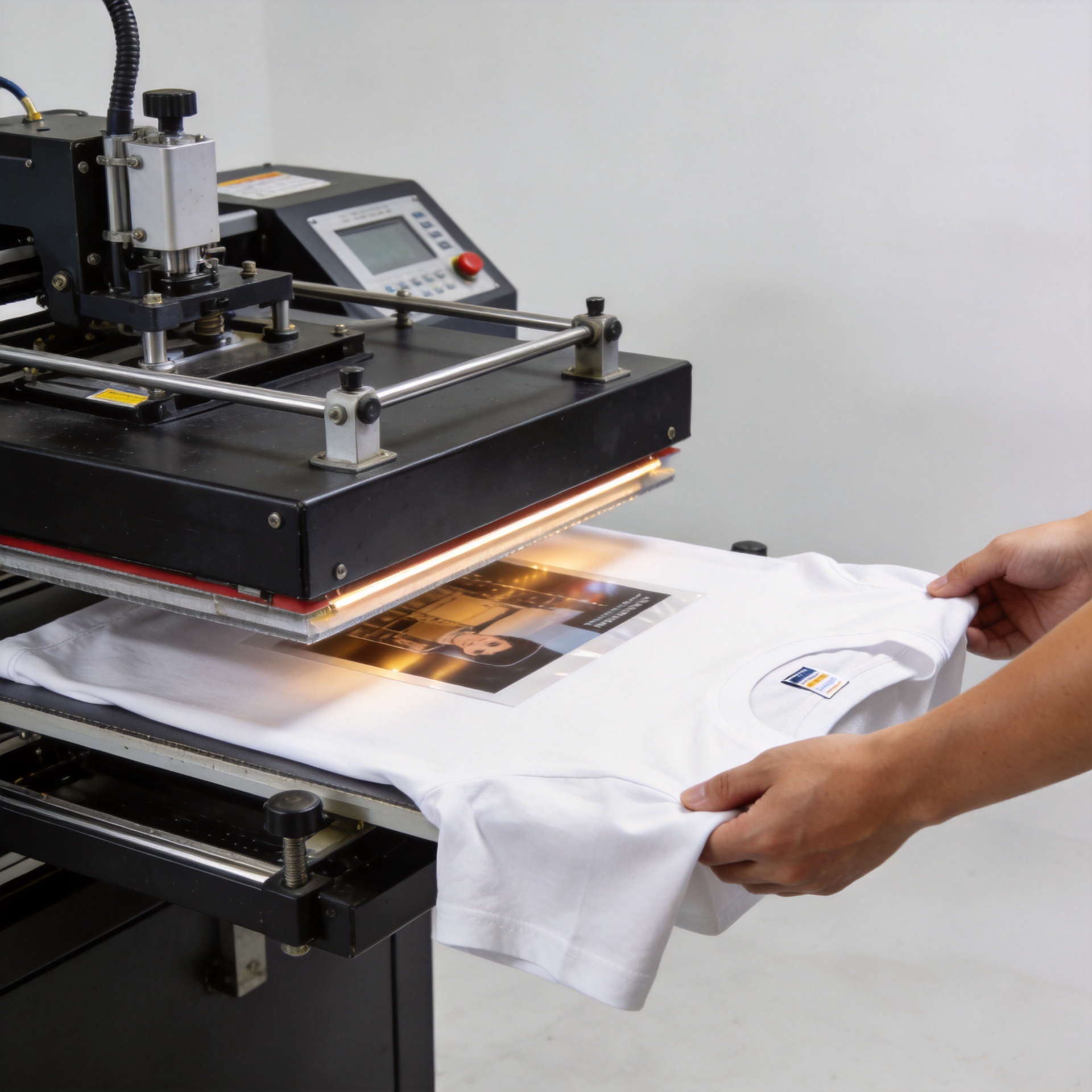
A DTF t shirt printer takes a different approach. Ink is printed onto a polyester film, hot-melt adhesive powder is applied to the wet ink, the transfer is heat-cured, and the finished film is pressed onto any garment. No pretreatment required, regardless of fabric color or content. DTF decouples printing from application — you can batch-print transfers ahead of time and press them as orders arrive.
Print Quality: Where Each Method Excels
For light-colored 100% cotton garments, a DTG t shirt printer delivers a soft, breathable result that feels part of the fabric. Ink soaks into fibers rather than sitting on top, producing a natural finish with excellent wash durability on the right substrate. This is DTG's strongest performance window and where it genuinely has an edge.
On dark fabrics, the comparison shifts. DTG's pretreatment process works acceptably on cotton but produces variable results — inconsistent transfers on dark fabrics remain one of the most common operator complaints. DTF's white ink underbase is built into the transfer film itself, which tends to deliver more consistent results across different fabric colors without per-garment pretreatment calibration.
For photographic, gradient-heavy, or high-detail artwork, both t shirt printer technologies perform comparably at the quality tier most custom apparel businesses actually need. The expanding adoption of DTF reflects real operator experience: the global DTF printer market was valued at approximately $1.8 billion in 2025 and is projected to reach $5.2 billion by 2034 at a 12.5% CAGR.
Fabric Compatibility: Cotton, Polyester, and Blends
This is the most significant technical difference when evaluating which t shirt printer type fits your production mix.
DTG printing performs most consistently on 100% cotton or cotton-dominant blends above 50%. On polyester or poly-heavy blends, pretreatment effectiveness drops — ink bonding weakens and wash durability suffers. Cotton retained 49.2% of the DTG printing market by substrate in 2025, with polyester growing at a 7.27% CAGR as operators seek t shirt printer solutions that handle synthetic fabrics more reliably. DTG hasn't solved polyester pretreatment consistently; screen printing and sublimation still dominate that segment commercially.
DTF transfers adhere to cotton, polyester, nylon, poly-cotton blends, denim, canvas, and non-woven materials — no pretreatment required. If your customer mix includes sports teams, workwear, or athleisure requests (all skewed toward synthetic fabrics), a DTF t shirt printer substantially reduces the fabric mismatch problem you'd face with DTG. For tshirt printers serving diverse order types, this versatility is often the deciding factor.
Operating Costs: Equipment and Consumables
Equipment price comparisons can mislead when choosing a t shirt printer. Commercial DTG printers start around $10,000 and reach $50,000 or more for production-grade models — plus the cost of a separate pretreatment machine. A comparable DTF setup — dtf printing machine, powder shaker, and curing oven — typically requires a lower upfront investment, which matters for businesses entering the market or testing in-house decoration.
Ongoing consumable costs depend on volume and design mix for both methods. DTG requires ink and pretreatment solution per dark garment. DTF requires film, hot-melt powder, and ink. At low volumes, the cost-per-print differential is modest. At scale, the key variable is pretreatment chemical consumption for dark DTG orders versus film and powder cost for DTF. Pre-printing transfers ahead of demand is a workflow specific to DTF t shirt printer setups and can shift peak-period economics by eliminating per-order print queues.
Maintenance and Daily Operations
DTG t shirt printer systems require regular print head maintenance cycles, capping station cleaning, and careful white ink management. White ink (dense titanium dioxide pigment) settles, clogs, and degrades more readily than color channels. Leaving a DTG machine idle for a few days without a flush cycle risks costly print head recovery. The pretreatment machine adds a second maintenance surface.
DTF t shirt printer workflows have their own maintenance requirements — powder shaker and curing oven add components — but generally have fewer failure points during the printing step itself. A print failure produces a discarded transfer, not a ruined garment. This distinction matters when training new operators or adapting settings to unfamiliar fabric batches.
Which T Shirt Printer Technology Is Right for Your Business?
If your production focuses on premium 100% cotton garments at consistent volumes and the soft-hand direct-print finish matters to your customers, DTG remains a strong t shirt printer choice. The technology has matured and quality on cotton is genuinely excellent.
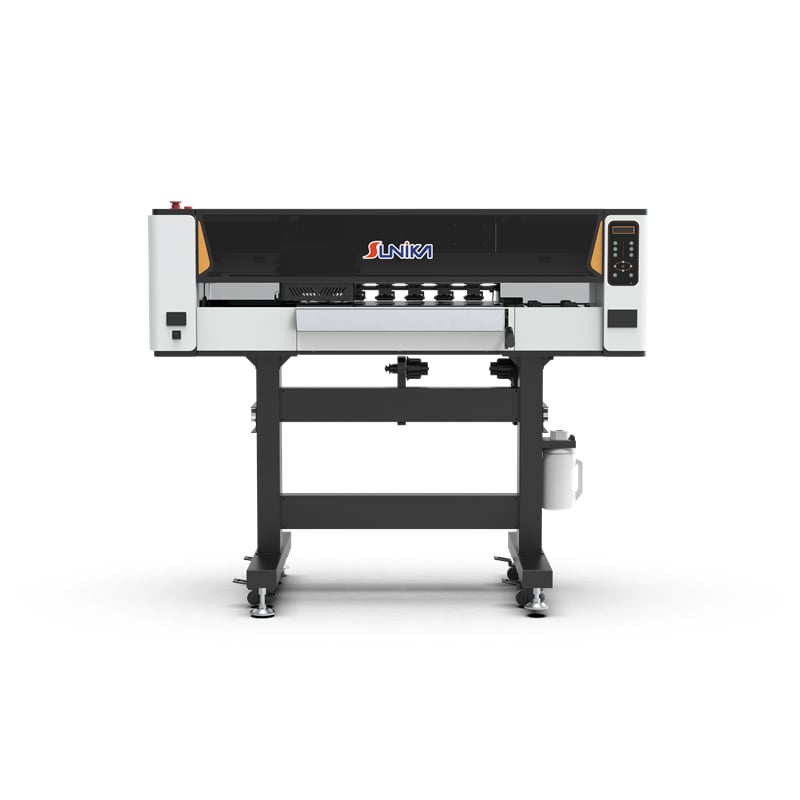
If your customer mix spans multiple fabric types, you're serving polyester, blends, or performance fabrics, or you need to minimize upfront equipment investment while maintaining full-color capability, a DTF t shirt printer is the more flexible option. An entry-format model like the Sunika SK-A3 DTF Printer — A3-width with dual F1080 print heads — provides an accessible starting point for entrepreneurs evaluating whether in-house DTF production pencils out before committing to larger capital investment.
For higher-volume custom apparel operations, a production-width system like the Sunika SK60 DTF Printer — dual I3200 heads at 600mm print width — delivers the throughput needed when single-head t shirt printer systems become the bottleneck. The dual-head configuration supports higher linear speeds without proportionally larger footprint.
For workshops managing mixed order types at intermediate scale, the SK-A302 12-inch DTF Printer with dual Epson F1080 heads sits between entry-level and full production widths — covering both t-shirt decoration and smaller garment formats without the cost and space requirements of a 60cm production system.
The technology decision comes down to what your production actually looks like day to day. Most operators who have run both find that a DTF t shirt printer handles more of their daily order mix with fewer substrate complications. DTG's output on premium cotton remains the benchmark for operators serving that specific segment. The question is which mix your customers are actually placing.