EN


DTF Printer Quote Checklist: Production Requirements to Prepare
Requesting a quote for an industrial DTF printer sounds simple until two suppliers return numbers that cover very different production systems. One quote may include only the printer; another may account for powder application, curing, RIP workflow, installation conditions, and the support needed to keep a business DTF printer producing. The more clearly you describe your operation, the easier it is to compare like with like.
As a DTF equipment specialist, I would start with the work you need to finish—not with a headline speed. Print speed matters, of course, but it is only one part of throughput. Film handling, white-ink management, curing, pressing, artwork mix, and operator availability can all change the result. This checklist helps purchasing teams prepare a useful request for quotation (RFQ) and ask suppliers for recommendations that fit the actual workflow.
Start With the Output You Need to Deliver
Your first task is to define the job, not the machine. Describe what you sell today and what you expect to add over the next planning period. A business DTF printer serving short-run custom apparel has a different duty profile from an industrial DTF printer producing transfers for multiple resellers or a garment factory.
- Order pattern: state average and peak order volumes, whether demand is steady or seasonal, and how many production days and shifts you expect to run.
- Artwork mix: share typical transfer dimensions, coverage levels, color complexity, and the proportion of dark-garment designs that need white ink.
- Product mix: list target applications such as T-shirts, hoodies, bags, caps, workwear, or other compatible textiles. This affects test samples and finishing expectations.
- Service promise: specify your normal turnaround target and the consequences of a missed production day. That context helps a supplier discuss redundancy, maintenance routines, and support needs.
Do not turn this into a guess at a daily transfer number. If you have historical orders, send a representative week of sizes and quantities. If you are launching a new line, describe the intended mix and the capacity you want to grow into. A supplier can then explain assumptions behind any throughput estimate rather than presenting one number as a guarantee.
Define Print Width and Layout Before Comparing Models
Print width shapes more than the footprint of an industrial DTF printer. It influences how efficiently you gang images on film, the compatible shaker and dryer format, material handling, and the amount of floor space around the line. Buyers often lean toward the widest available format, but a wider machine is not automatically the most suitable commercial fit if your artwork and order size leave much of the film unused.
Include these details in the RFQ:
- preferred film width or the largest transfer size you routinely need;
- the designs you want to gang together on each run;
- whether a compact format suits your current jobs or a wider continuous-production format is needed for growth;
- available room dimensions, doorway clearance, electrical access, ventilation, and a practical path for loading media and servicing the equipment.
Document the whole line rather than the printer chassis alone. Shaker and dryer dimensions, operator access, exhaust routing, and a heat-press area may determine whether a proposed configuration works in your shop.
Specify the Complete DTF Production Line
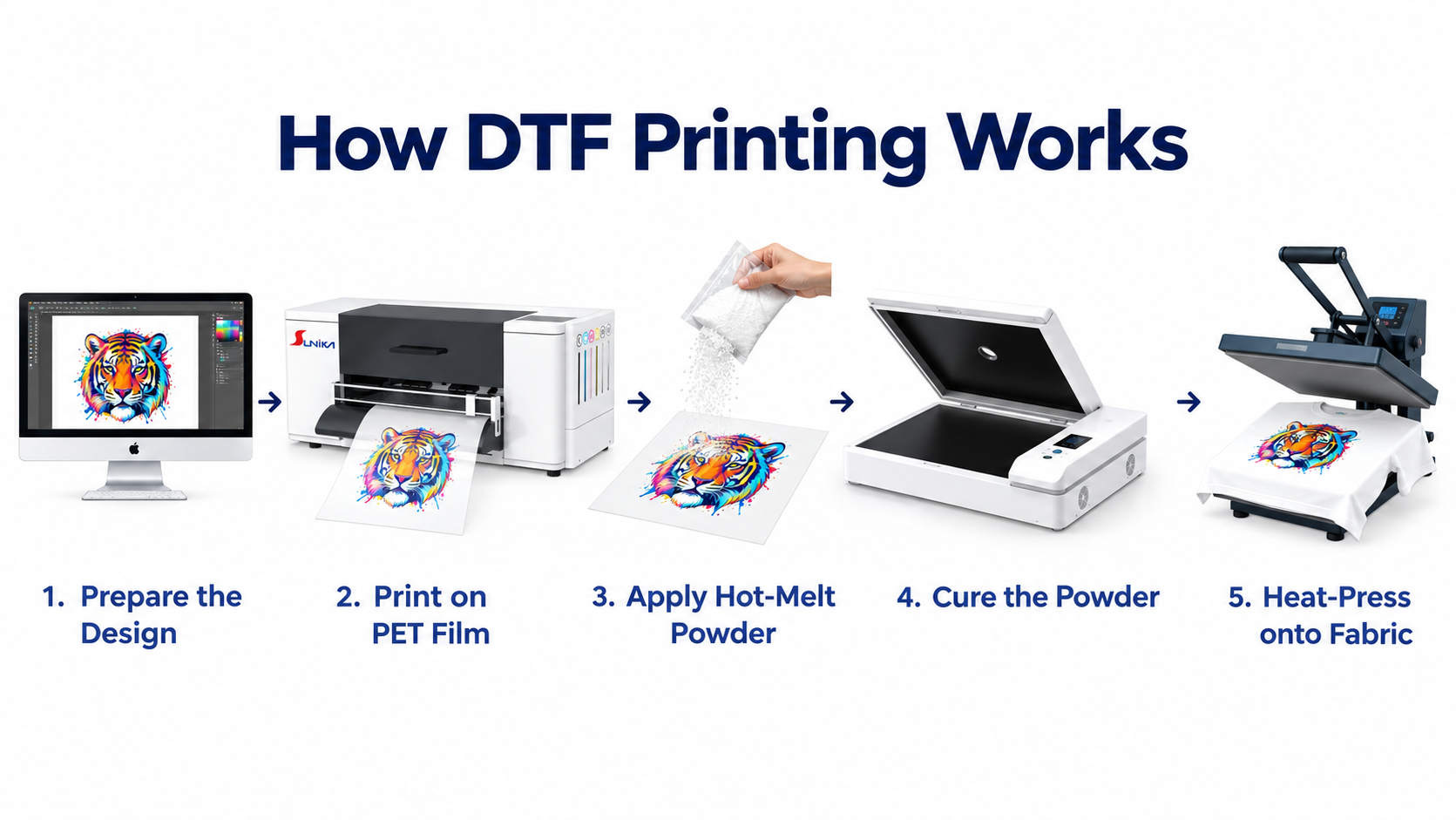
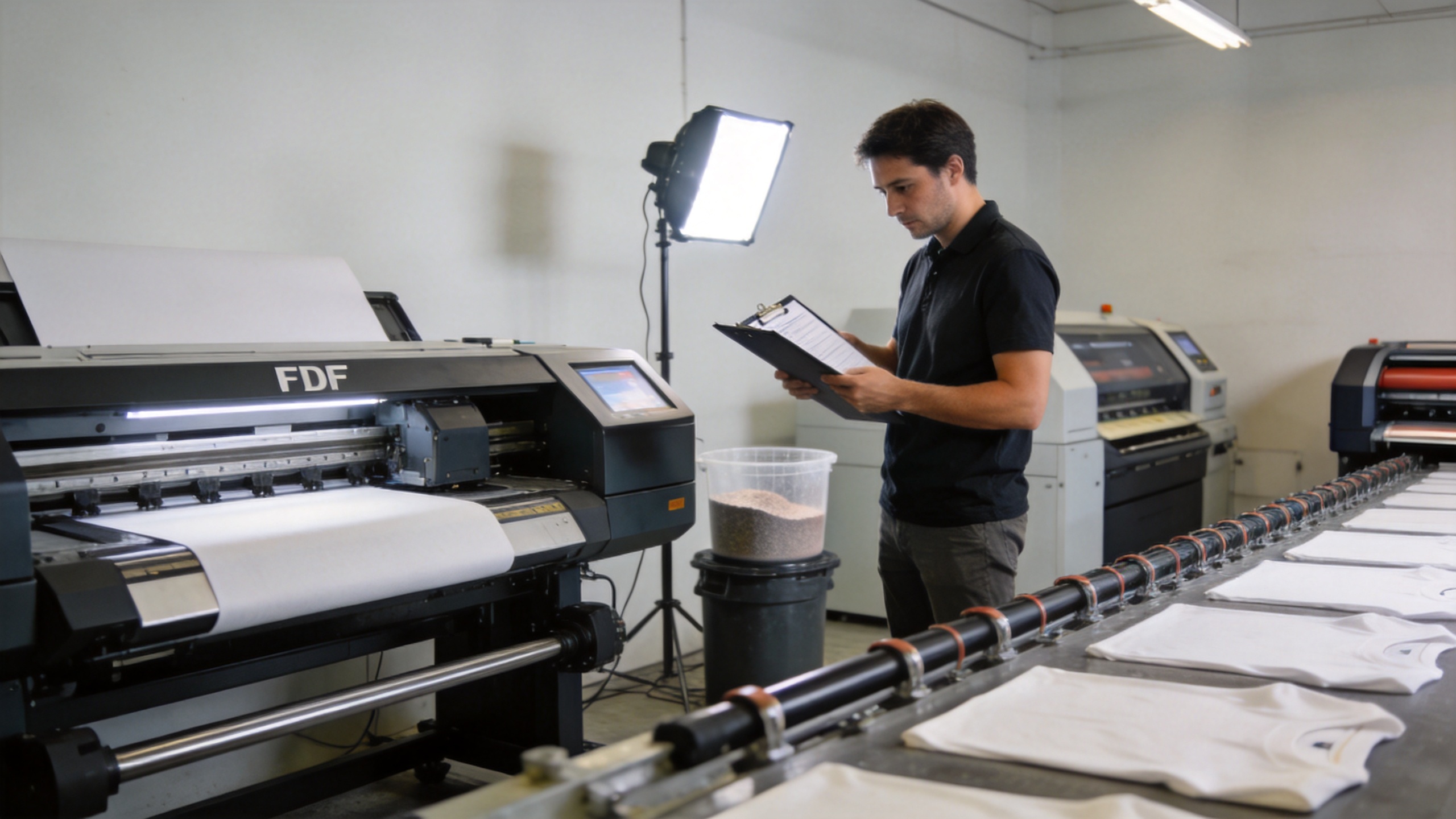
An industrial DTF printer is part of a system. A machine-only quotation may look attractive at first, yet leave out components required to turn printed film into a consistent transfer. Ask suppliers to identify exactly what is included, optional, buyer-supplied, and required before commissioning.
| Production element | What to state in the RFQ | Why it matters |
|---|---|---|
| Printer and RIP workflow | Preferred print width, expected jobs, operating system, file types, and color-management needs | Confirms software compatibility and the intended print workflow. |
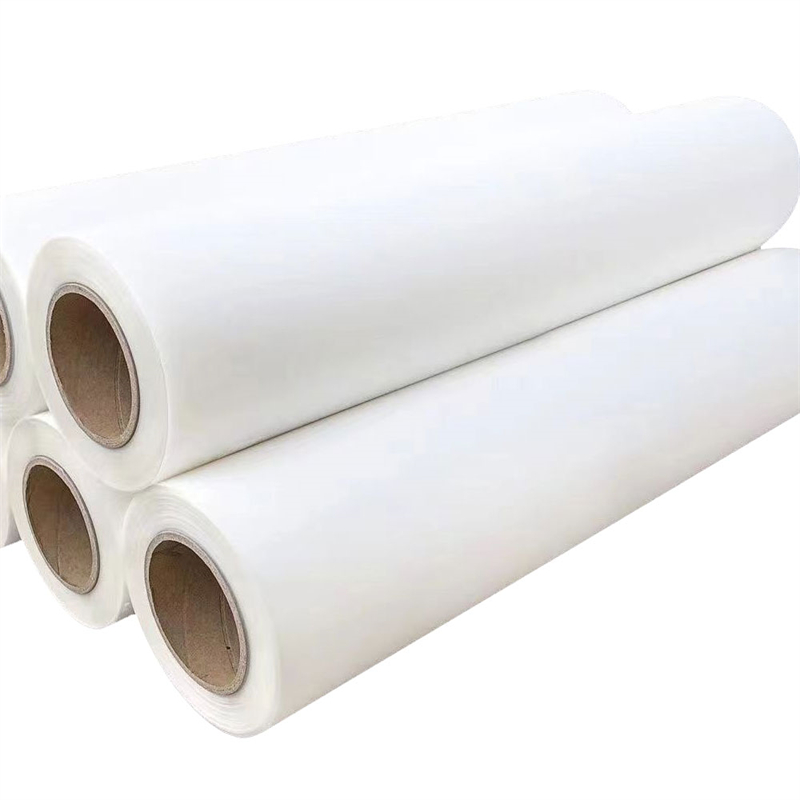
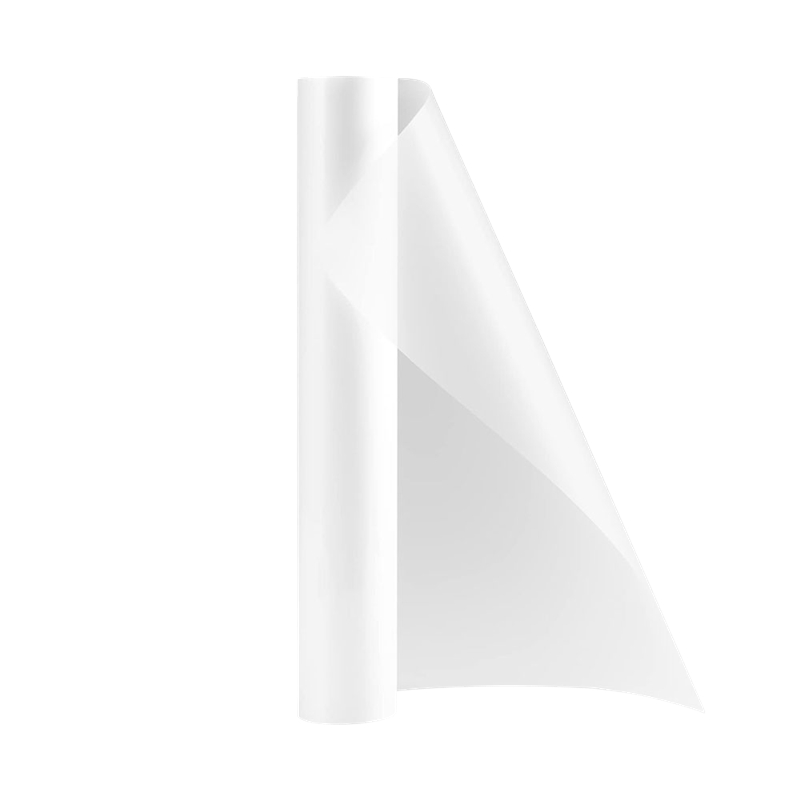
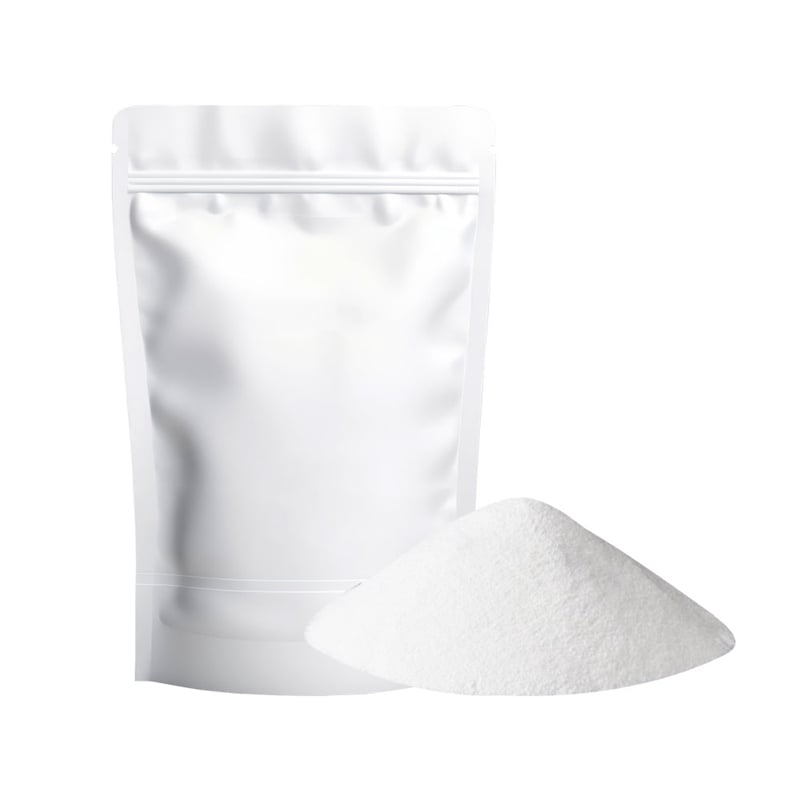
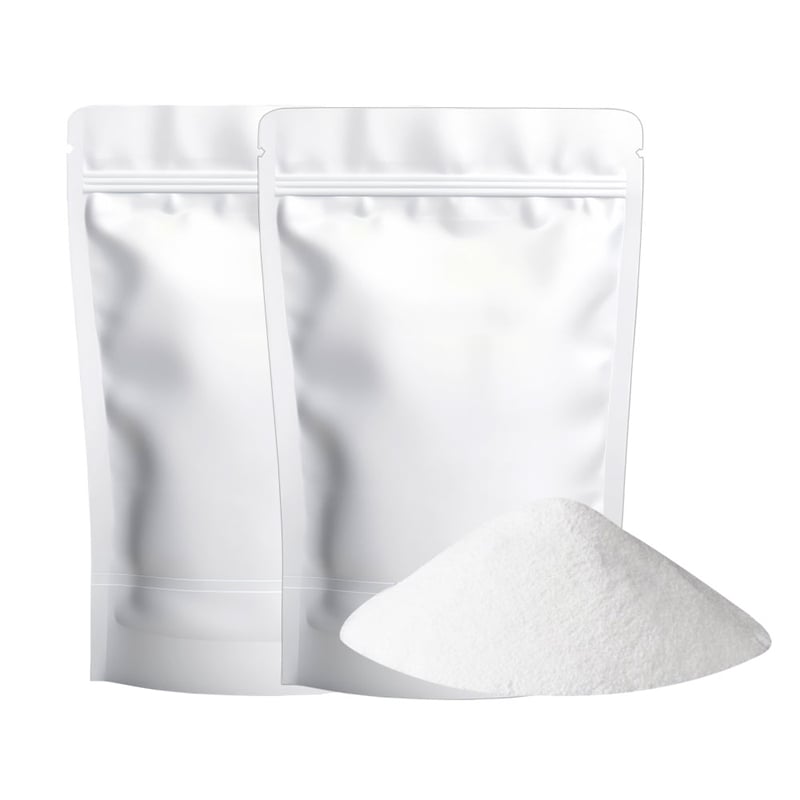
| Ink, film, and powder | Substrates, desired finish, replenishment plan, and whether you need a matched consumables recommendation | Transfer quality depends on the system, not on the printer alone. |
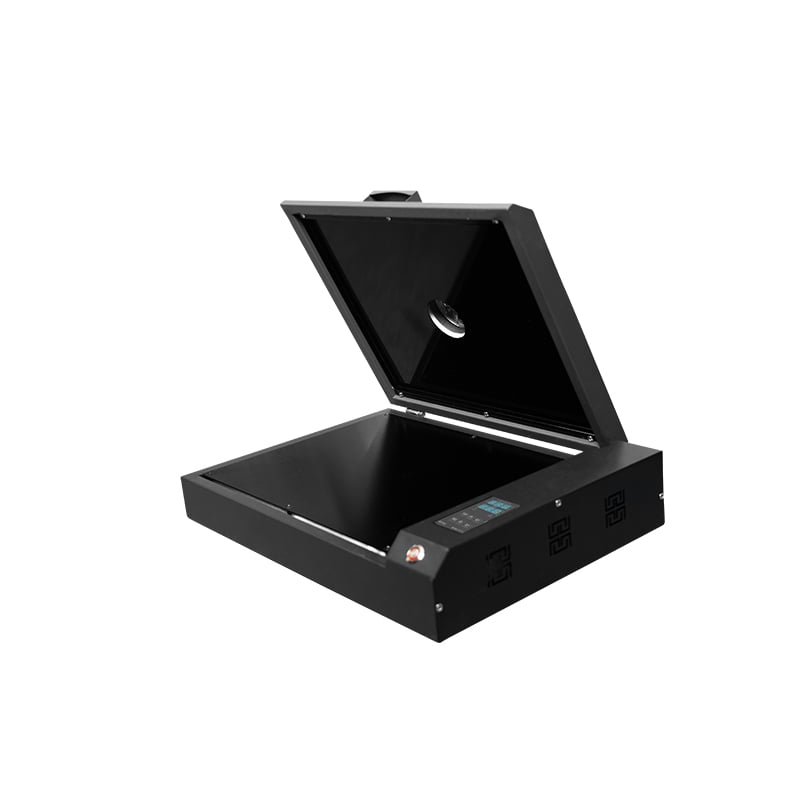
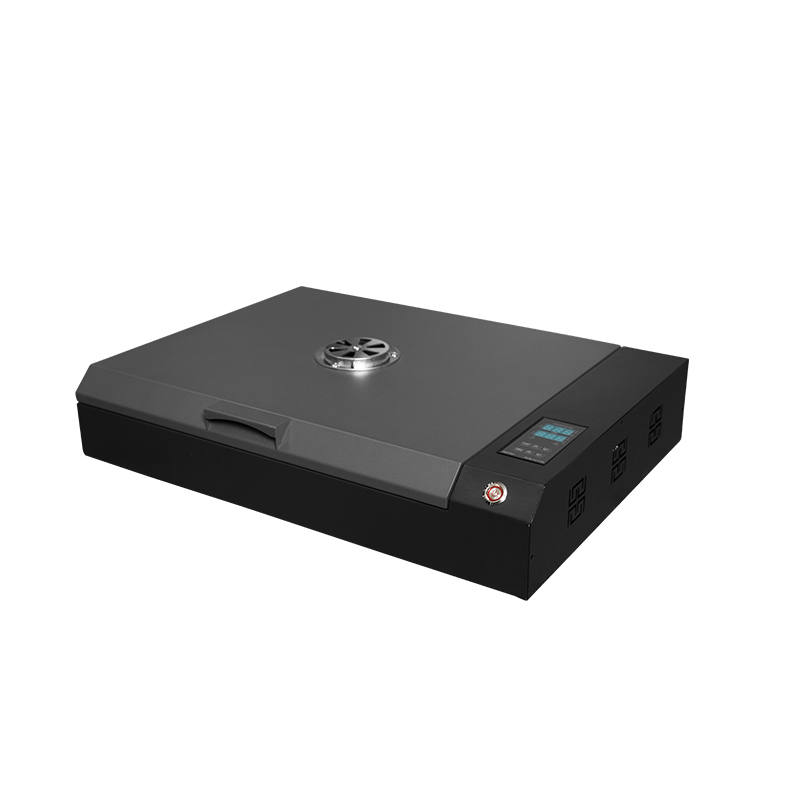
| Powder shaker and dryer | Expected run length, available space, ventilation constraints, and desired level of automation | These steps affect powder coverage and curing consistency. |
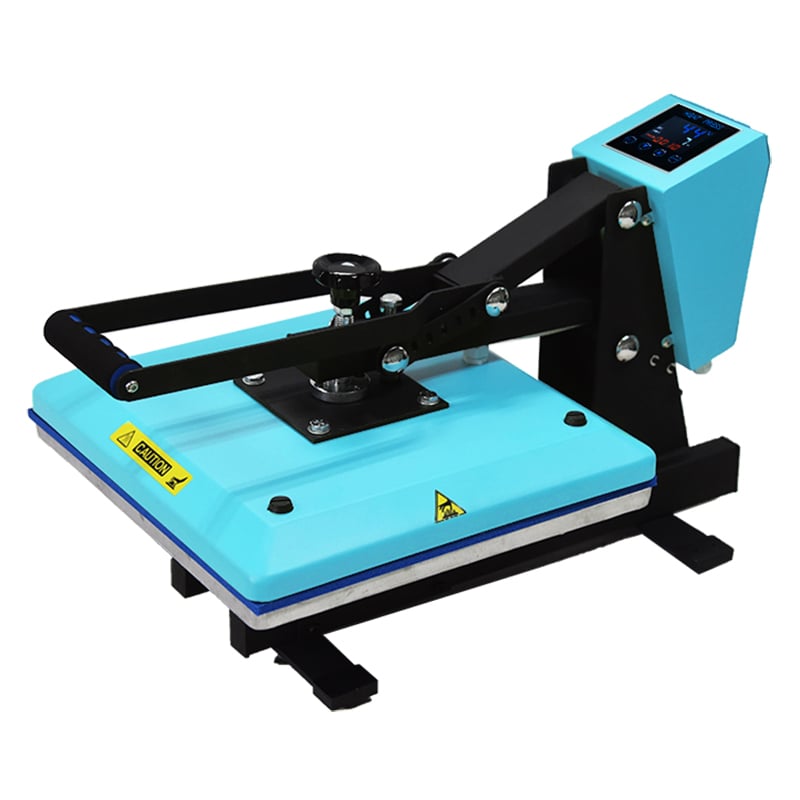
| Heat pressing and finishing | Garment types, transfer sizes, workflow layout, and testing process | Press settings and handling influence the finished result. |
| Maintenance and spares | Operating schedule, planned idle periods, local service capability, and preferred spare-parts package | Sets realistic expectations for startup, cleaning, and downtime planning. |
Once consumables, labor, finishing, and stoppage risk are mapped, the purchase price becomes only one decision input. For a growing shop, a complete and transparent production-line quote is usually more useful than a low printer-only figure that moves essential costs outside the comparison.
Prepare Your Material, Quality, and Test Requirements
Tell the supplier what “acceptable” means for your customers. Generic durability claims are not a substitute for a sample approval process, because film, ink, powder, curing, pressing, fabric, and artwork coverage all interact. Ask for sample transfers made from your own files where possible, then define how your team will evaluate them.
- Which fabrics, colors, and garment weights should be represented?
- What visual standards matter: fine detail, color consistency, white opacity, edge quality, or stretch behavior?
- What washing or handling checks will your business use before approving a configuration?
- Which press, temperature, pressure, and dwell-time parameters must be documented for your team?
Experienced DTF production managers usually recommend treating the printer, film, ink, powder, curing process, and press settings as a linked system. That is especially important when your orders include dark fabrics or high-coverage graphics. A clear acceptance checklist gives both sides a fair basis for discussing results and training.
Share Operating Conditions and Team Capability
A quote should also reflect where and by whom the equipment will run. Include room temperature and humidity conditions if known, electrical supply, ventilation options, site location, delivery constraints, and the experience level of the operators. If the line may sit idle during weekends or seasonal gaps, mention that too; routine cleaning and white-ink circulation planning can be part of the supplier discussion.
You should also state what assistance you expect after delivery: remote setup guidance, installation support, RIP onboarding, color-profile advice, preventive-maintenance documentation, parts availability, and response channels. Treat these as commercial requirements, not afterthoughts. They help you compare supplier proposals on total operating readiness rather than on a spec sheet alone.
Ask for a Comparable, Itemized Quote
Once you have the requirements above, request an itemized proposal. Ask each supplier to separate the main equipment, included accessories, consumables, packing and freight terms, installation or training scope, warranty coverage, recommended spare parts, and exclusions. Where output is discussed, ask for the test conditions: artwork coverage, pass mode, film width, and workflow assumptions.
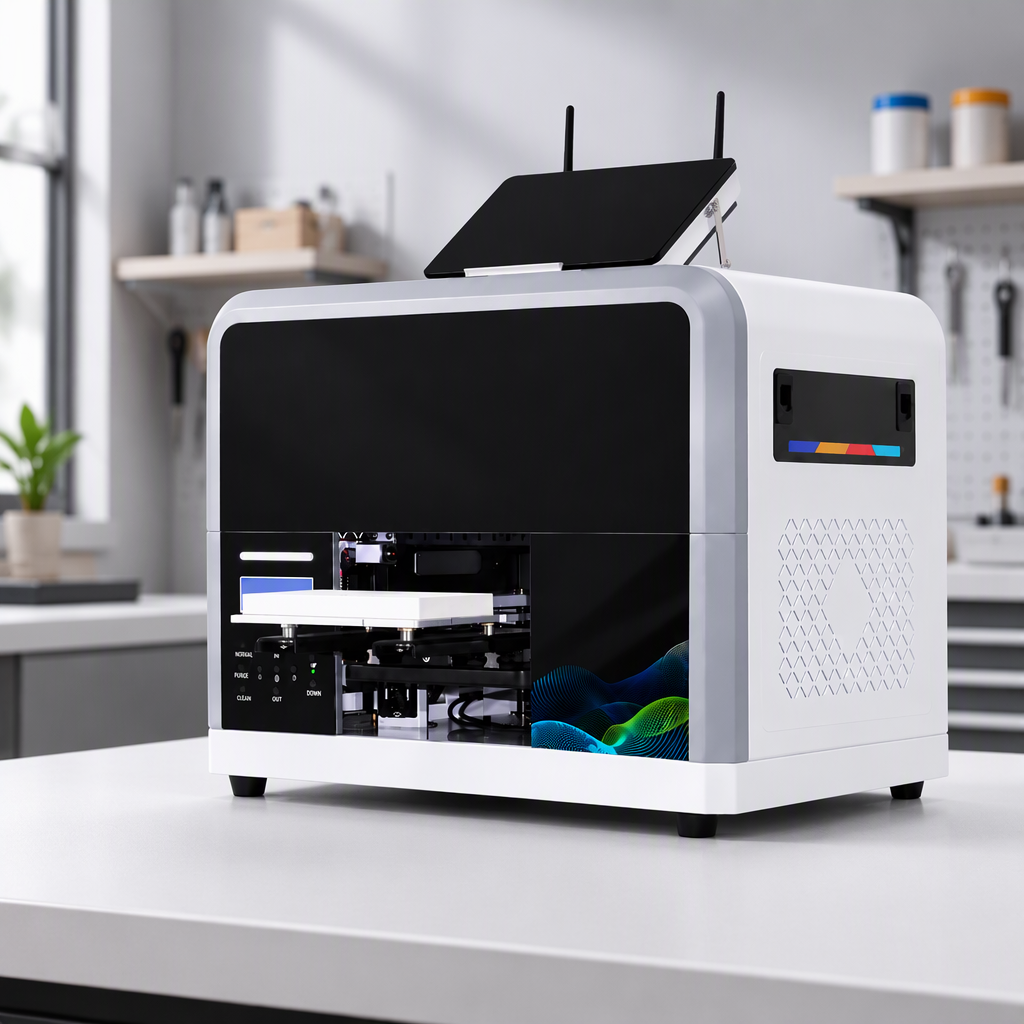
For example, you can explore a compact workflow through the Sunika SK-A3 DTF Printer F1080 330mm A3 Direct to Film Printer, or discuss a wider production-line requirement around the Sunika SK60 DTF Printer Dual I3200 600mm Tee Shirt Printer. The right question is not which format is universally better. It is which configuration matches your real order mix, floor plan, finishing process, and growth plan.
Questions to Put in Every Industrial DTF Printer RFQ
Use direct questions to make an industrial DTF printer proposal comparable:
- Which industrial DTF printer configuration fits our artwork mix and shifts?
- What industrial DTF printer components are included, and what must we buy separately?
- What floor space, electrical supply, ventilation, and operator clearance does the industrial DTF printer system require?
- Which cleaning, white-ink, and idle-period procedures apply to this industrial DTF printer workflow?
- What training, remote support, and spare-parts plan is included for the industrial DTF printer?
- Can the supplier price a business DTF printer setup separately from the full production line?
- How would the business DTF printer proposal change if peak orders or film width increase?
- What sample approval plan should we use before choosing a business DTF printer supplier?
These questions do not make one industrial DTF printer universally better. They make the differences visible against your files, materials, workspace, and operating plan.
Copy-and-Send RFQ Checklist
- Business type, target customers, and the applications you plan to produce.
- Average and peak order pattern, operating days, shift plan, and turnaround target.
- Typical artwork sizes, coverage, colors, and dark-fabric share.
- Preferred print width, available floor space, doorway access, power, and ventilation conditions.
- Required line components: printer, RIP workflow, shaker/dryer, heat press, finishing, and optional automation.
- Preferred consumables and the sample/test criteria you will use for approval.
- Required training, technical support, warranty, maintenance plan, and spare-parts expectations.
- Delivery destination, desired delivery window, and requested commercial terms.
A strong RFQ gives suppliers enough context to recommend an industrial DTF printer configuration instead of responding with a generic catalog. It also gives your purchasing team a cleaner way to compare proposals, test samples, and long-term operating requirements. Send the checklist with representative artwork and sample-material notes, then ask each supplier to state its assumptions in writing.