 EN
EN


Custom Apparel Printing with DTF: Benefits, Applications and Business Opportunities
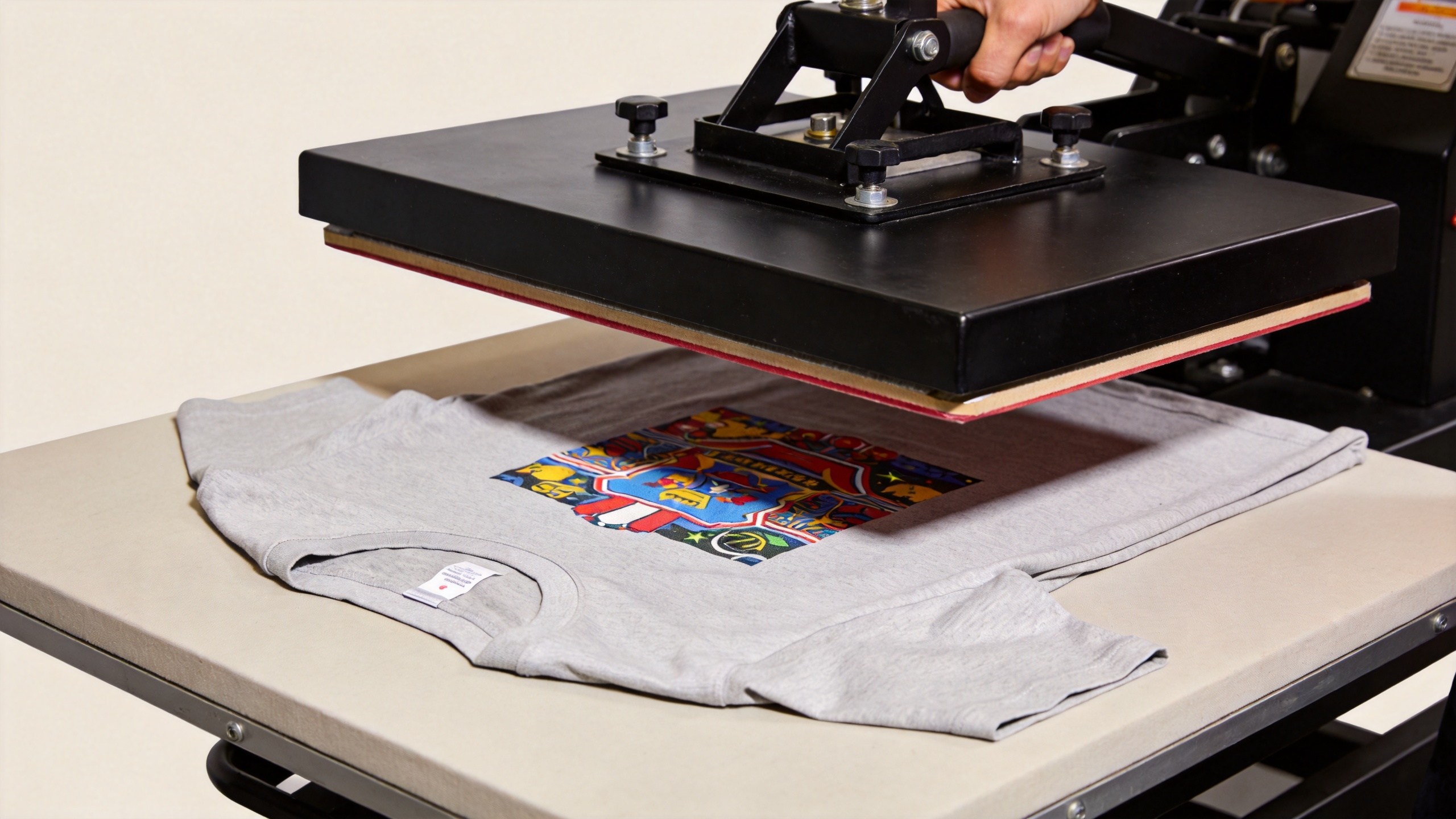
For apparel decorators, custom apparel printing is no longer only about choosing between screen printing and embroidery. Buyers increasingly expect full-color artwork, quick response to short runs, and reliable results across tees, hoodies, workwear, and promotional garments. Direct-to-film (DTF) gives a practical production route for those requirements: the design is printed to film, prepared with adhesive powder, cured, and heat pressed onto the garment.
For a business serving the European and North American market, DTF can be especially useful when order patterns are mixed. A shop may receive one personalized tee shirt printing order in the morning, a small brand launch in the afternoon, and a repeat order with multiple garment colors the next day. The right workflow is not about claiming that one decoration method wins every job. It is about matching the process to the artwork, fabric, quantity, turnaround expectation, and available production capacity.
Why DTF Fits Modern Custom Apparel Printing
DTF supports detailed, full-color graphics without requiring a separate screen for every color. That can reduce setup friction for artwork with gradients, fine lines, or frequently changing designs. It is also suited to designs placed on both light and dark garments because the transfer process can include a white base layer where appropriate.
Another operational advantage is flexibility. In custom apparel printing, short runs and design variation can be expensive when setup work has to be repeated. DTF transfers allow a decorator to prepare designs in advance and press them as garment orders are confirmed. This can make the workflow easier to manage for samples, event apparel, creator merchandise, and localized campaigns. It does not remove the need for testing; fabric composition, press settings, film quality, and curing discipline still affect the finished result.
- Full-color artwork: useful for illustrations, photo-style artwork, and multi-color brand graphics.
- Short-run flexibility: practical for personalized orders and changing SKUs.
- Garment versatility: a useful option for many cotton, polyester, and blended garments after validation.
- Inventory control: transfers can help separate design preparation from the final pressing schedule.
Where DTF Creates a Clear Business Opportunity
A meaningful opportunity in custom apparel printing usually comes from a repeatable service model, not from a machine alone. Three common paths show how DTF can support different kinds of apparel businesses.
1. E-commerce and creator merchandise
Online sellers often need broad design variety without holding finished-garment inventory for every color and size. DTF can support a made-to-order model: approved artwork is prepared as transfers, then pressed after an order is released. This model works well when product pages, color choices, and artwork libraries are organized carefully. The commercial focus should be accurate mockups, dependable lead times, and a quality-check step before dispatch.
2. Local print shops and promotional decorators
A local shop may handle clubs, schools, restaurants, events, and small businesses. Here, tee shirt printing demand can be uneven: some jobs need a few names, while others need a modest batch with a colorful logo. DTF gives the shop a way to cover artwork-heavy requests while retaining screen printing or embroidery for jobs where those methods offer a stronger fit. The valuable service is not merely printing; it is helping customers choose a decoration route that suits the order.
3. Print-on-demand platforms and fulfillment teams
For fulfillment operations, production consistency matters as much as design flexibility. A defined DTF workflow can support routing, batching, and inspection across many small orders. The key is to document garment receiving, transfer identification, press settings, peeling instructions, post-press checks, and packing. A platform should validate each new blank garment before it becomes a standard option, rather than assuming every fabric behaves the same way.
DTF, Screen Printing, and DTG: Choose by Job Profile
Consideration-stage buyers should compare methods against the actual job profile. DTF can be a strong option for multi-color, variable, and short-to-medium production runs. Screen printing can remain attractive for larger, repeat designs where the setup is spread over many garments. Direct-to-garment (DTG) can be relevant for certain cotton-rich garments and print-on-demand workflows. The practical question is not “Which method wins every job?” but “Which method produces the required result with the right cost, throughput, and quality control?”
| Decision factor | DTF consideration | Operational question |
|---|---|---|
| Artwork | Handles detailed, multi-color designs well | Does the artwork change often or include fine detail? |
| Order size | Useful for samples and varied short runs | Will setup be repeated across many identical garments? |
| Garment mix | Can support multiple validated fabric types | Have you tested each blank and colorway? |
| Speed | Separates transfer preparation from pressing | Where is the current production bottleneck? |
| Finish expectations | Requires controlled pressing and inspection | What hand feel, stretch, and wash performance do buyers expect? |
Build a Reliable DTF Production Workflow
Successful custom apparel printing needs a controlled process. Start with artwork checks: confirm print dimensions, transparent areas, fine details, and color intent. Then define how designs are queued, printed to film, powdered, cured, labeled, and stored. At the pressing station, standardize temperature, pressure, and dwell time according to the transfer and garment supplier guidance. Train operators to inspect alignment, edges, coverage, and the final post-press finish.
Equipment selection should follow your production plan. A higher-capacity system may fit a team processing wider transfer layouts and recurring wholesale orders, while a compact setup may be appropriate for testing a niche or supporting lower-volume tee shirt printing. For examples of available equipment categories, review the Sunika SK60 DTF Printer Dual I3200 600mm Tee Shirt Printer or the SK-A302 12inch DTF printer with dual head for T-shirt production. Evaluate any system against real job volume, operator skill, maintenance capacity, consumable supply, and after-sales support requirements.
A Practical Checklist Before You Invest
- Map your current orders by quantity, color count, garment type, and turnaround time.
- Print representative test designs on the blanks you actually sell.
- Calculate labor across file preparation, printing, curing, pressing, inspection, and rework.
- Set acceptance criteria for color, edge quality, placement, and wash testing.
- Decide which orders stay with screen printing, DTG, embroidery, or outsourced production.
- Choose equipment capacity only after you understand peak demand and maintenance coverage.
Turn DTF Capability into a Better Apparel Offer
DTF can expand what a business can accept, but the commercial value comes from a clear offer: fast sampling for brands, flexible artwork for online stores, dependable small-batch service for local customers, or controlled fulfillment for on-demand programs. Explain the fit of each method honestly, keep proofing and production checkpoints visible, and use tested garment profiles instead of assumptions.
For businesses evaluating custom apparel printing, DTF is worth considering when full-color flexibility, short-run responsiveness, and a structured production workflow matter. Start with representative tests, build a repeatable quality process, and select equipment that aligns with the orders you intend to win.













