EN
EN

What Is DTF Printing? A Complete Beginner's Guide to Direct to Film Technology
If you've been exploring custom apparel decoration, you've probably come across the term DTF printing — and wondered what it actually means. Understanding how does DTF printing work doesn't require a background in print technology. This guide walks you through everything from scratch: the process, the equipment, the materials, and what to realistically expect when you're starting out.
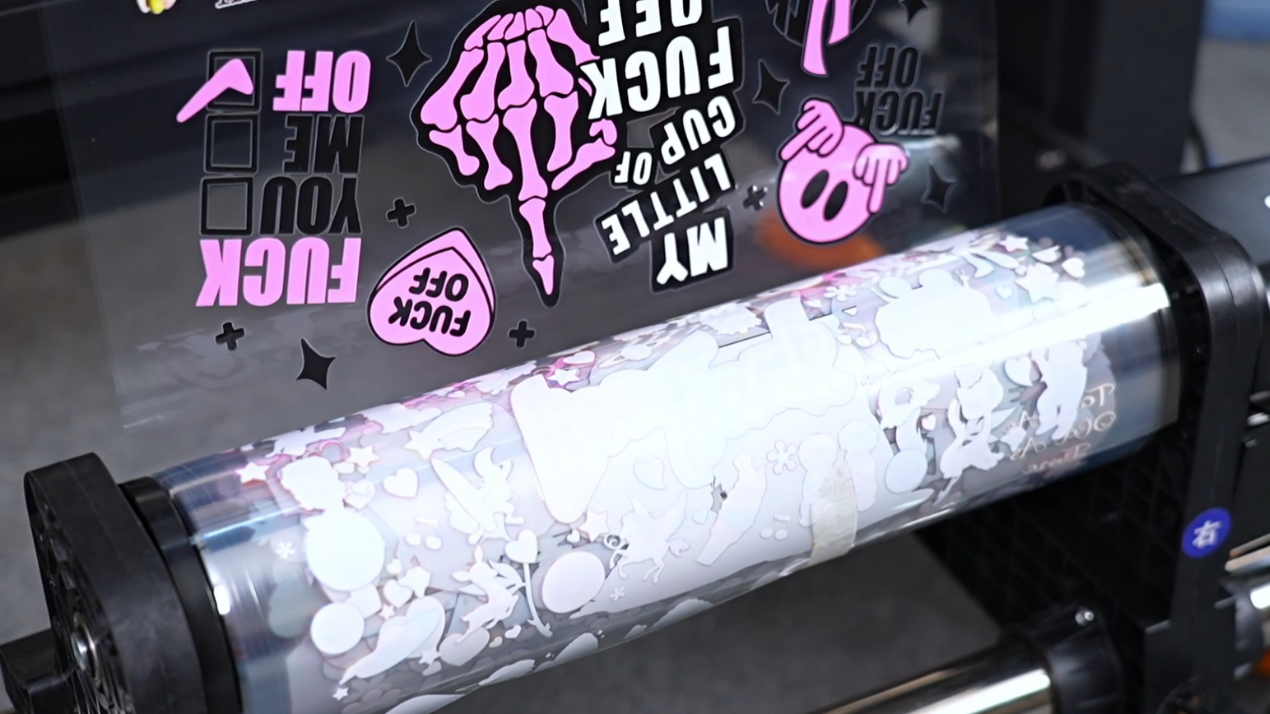
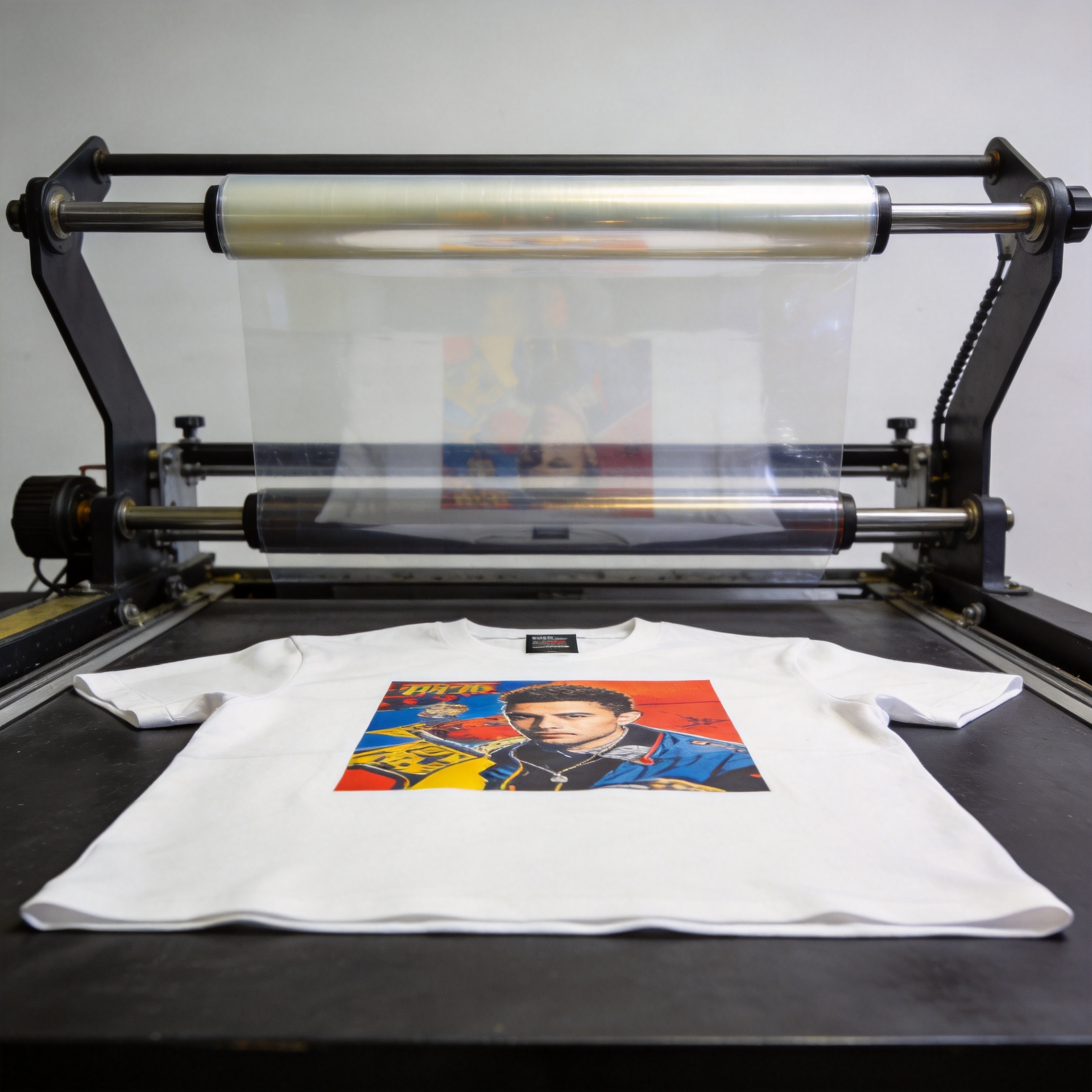
DTF stands for Direct to Film. Unlike older methods that print directly onto fabric or require specialized pre-treatment coatings, DTF printing transfers your design to a flexible PET film first, then uses a heat press to bond it permanently to the garment. That sequence — print to film, apply adhesive powder, cure, then transfer — is what makes DTF so versatile and accessible for beginners.
If you're wondering how does DTF printing work compared to what you already know, the key difference is that it's an indirect transfer process. The design doesn't go onto fabric directly. This is what allows DTF to work on materials that other methods can't — and why understanding how does DTF printing work as a complete sequence (not just as a printer purchase) is the foundation for consistent results.
The Core Components of a DTF Printing Setup
Before understanding the process steps, it helps to know what you're working with. A DTF setup involves five key elements working together as a system — and thinking of them as a system rather than focusing on the printer alone is the mindset shift that separates beginners who get consistent results from those who struggle in the first weeks.
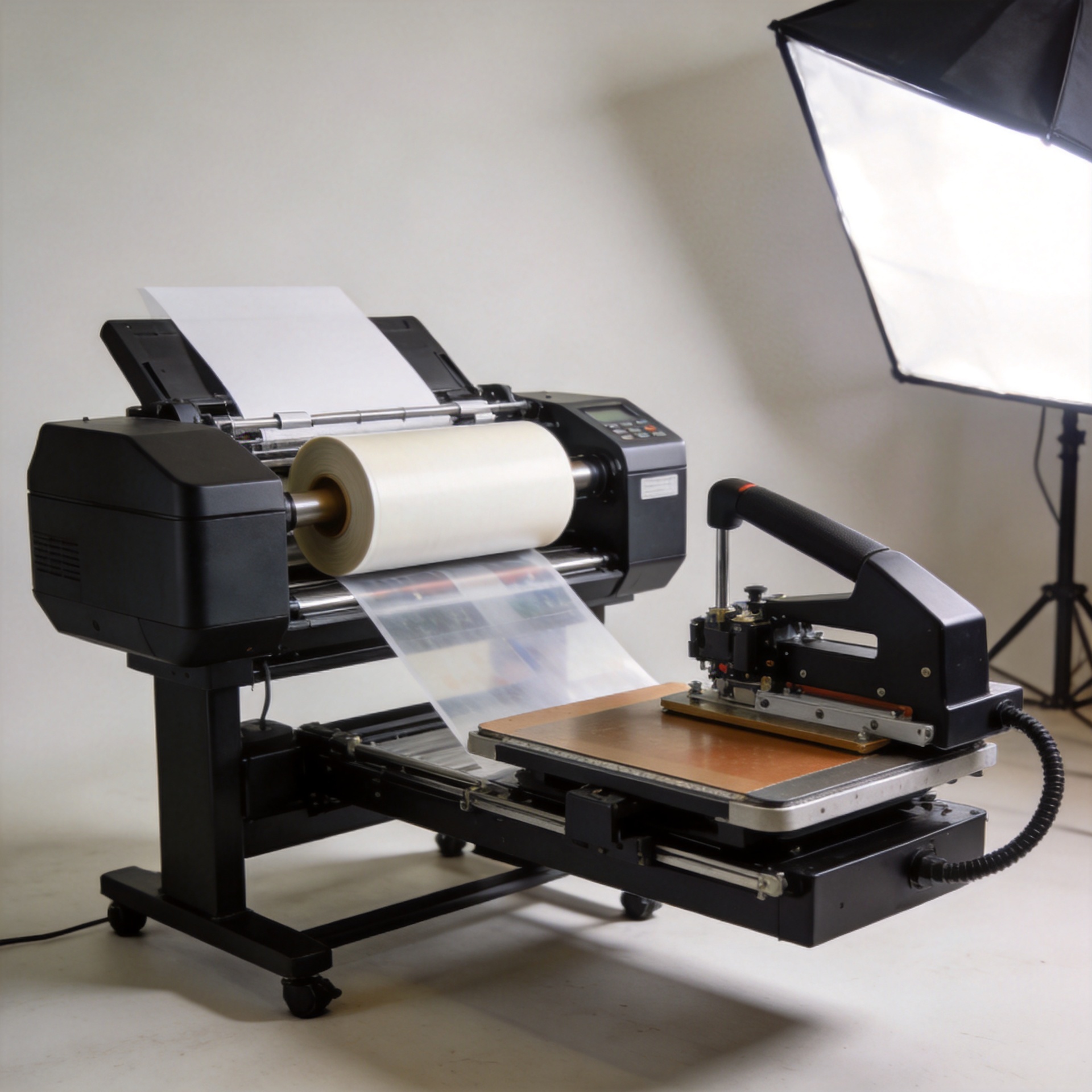
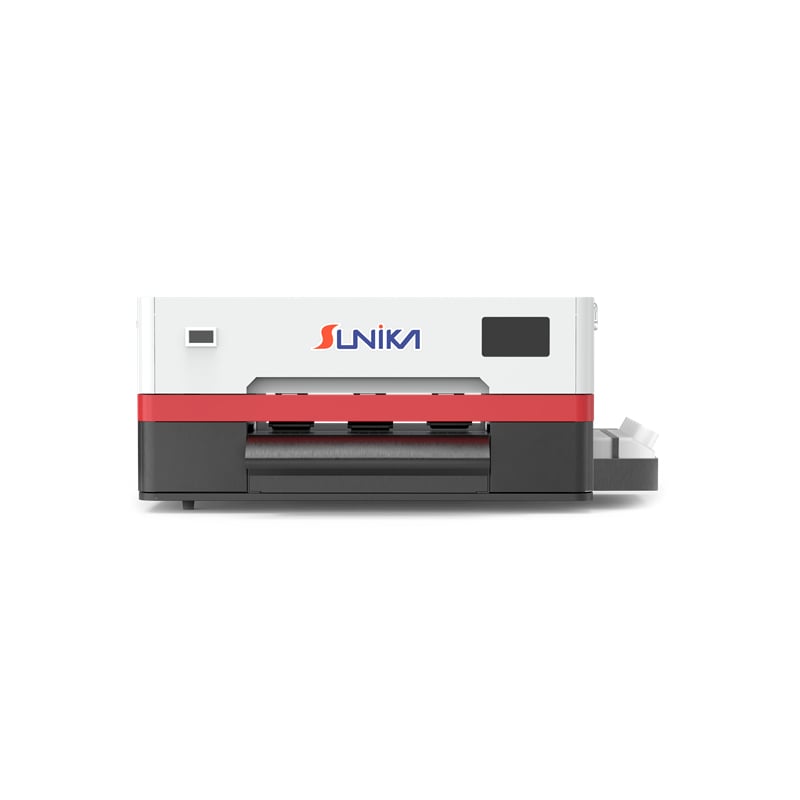
- DTF printer: A modified inkjet printer configured to print on PET film. Entry-level models like the Sunika SK-A3 DTF Printer use a single-head configuration suited for small to medium production runs, while dual-head models like the SK-A302 12-inch DTF Printer support higher throughput for growing operations.
- DTF inks: Water-based CMYK inks plus a dedicated white ink channel. The white ink acts as an underlayer that makes colors vibrant on dark fabrics — this is a structural requirement of the process, not an optional add-on.
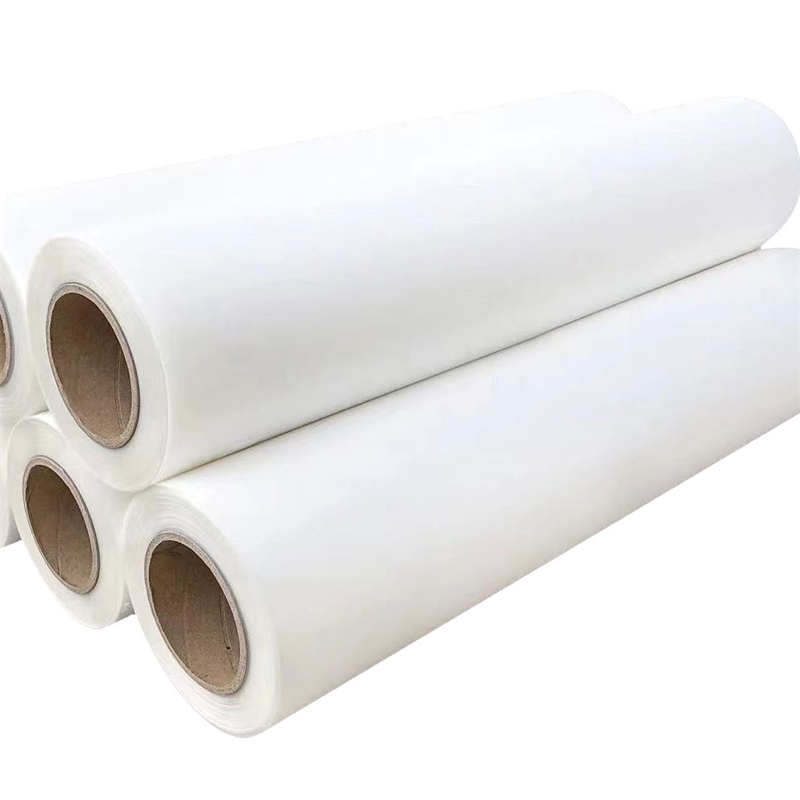
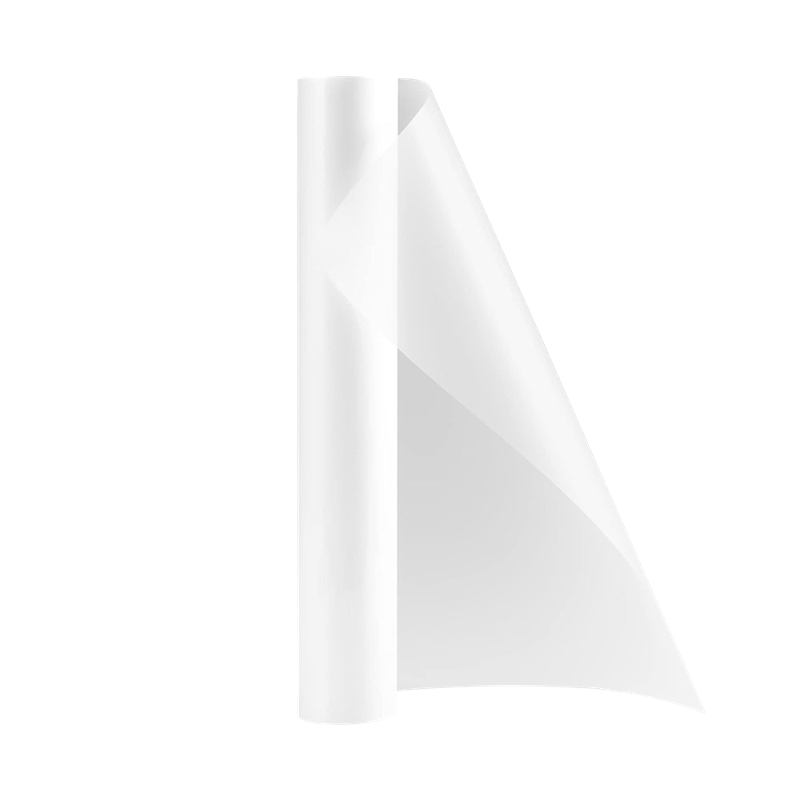
- PET film: A transparent, heat-resistant polyester film designed to receive the ink. Film width is matched to your printer's printhead width. Film flatness and storage conditions both affect edge definition on the final transfer.
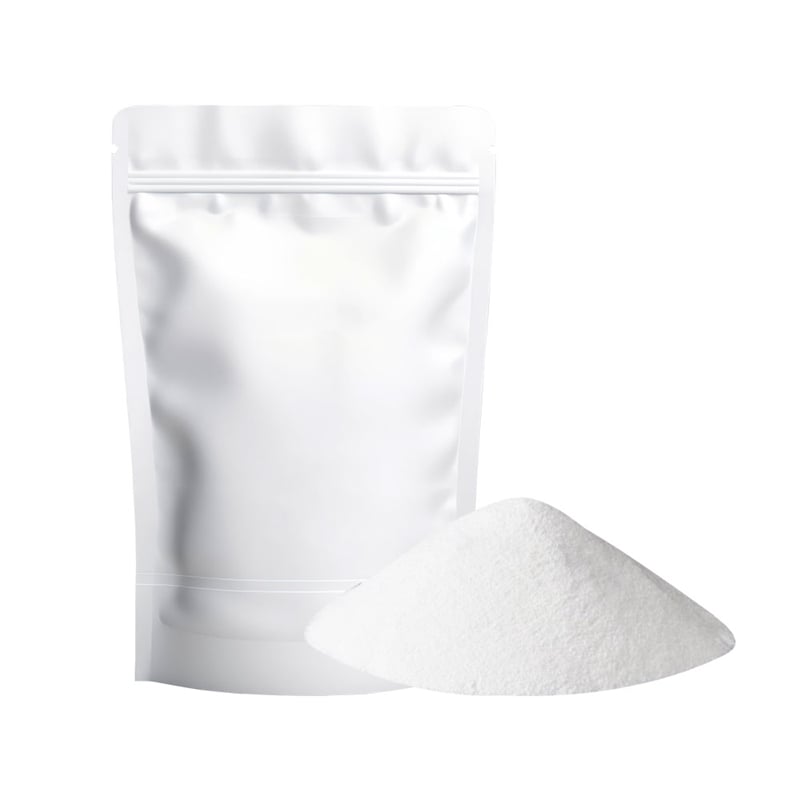
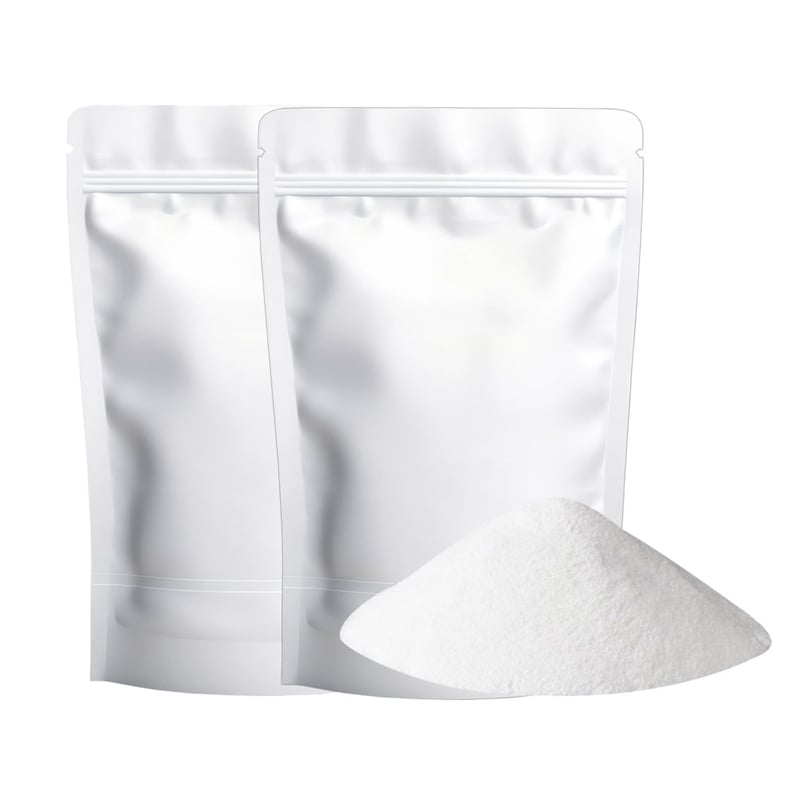
- Hot-melt adhesive powder: Fine TPU-based powder applied to wet ink immediately after printing. This powder bonds the transfer to the fabric during pressing. Application thickness and powder quality directly affect washability and hand feel.
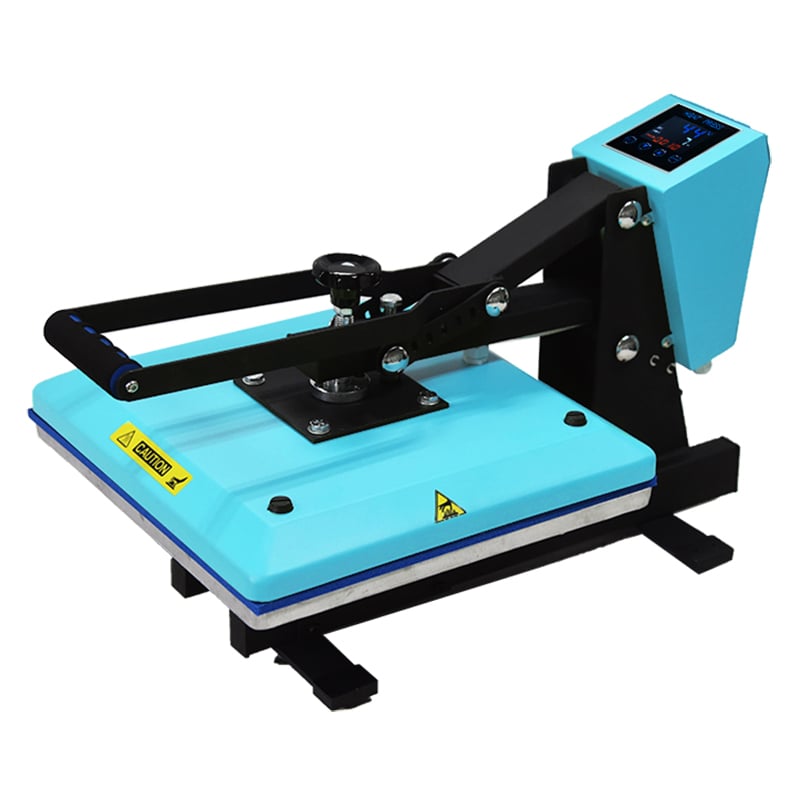
- Heat press: Applies the timed combination of heat, pressure, and duration to cure and bond the design. Consistent platen temperature across the entire pressing surface is critical for even transfer quality.
How Does DTF Printing Work? The Complete Step-by-Step Process
So, how does DTF printing work from start to finish? Once your equipment is set up and calibrated — a process that takes more time than the marketing materials often suggest — the actual production workflow is repeatable and logical. Here's how print DTF production runs in sequence:
- Prepare your design file: Create or import your artwork using RIP software (a raster image processor). The RIP manages color separation, white ink layering, and output settings specific to DTF.
- Print on PET film: The printer deposits CMYK inks plus a white ink underbase onto the PET film. Designs are printed as a mirror image so they read correctly after transfer to the garment.
- Apply hot-melt adhesive powder: While the ink is still wet, apply hot-melt TPU powder evenly across the printed area. The powder adheres only where ink is present. Shake off the excess — uneven application affects hand feel and durability.
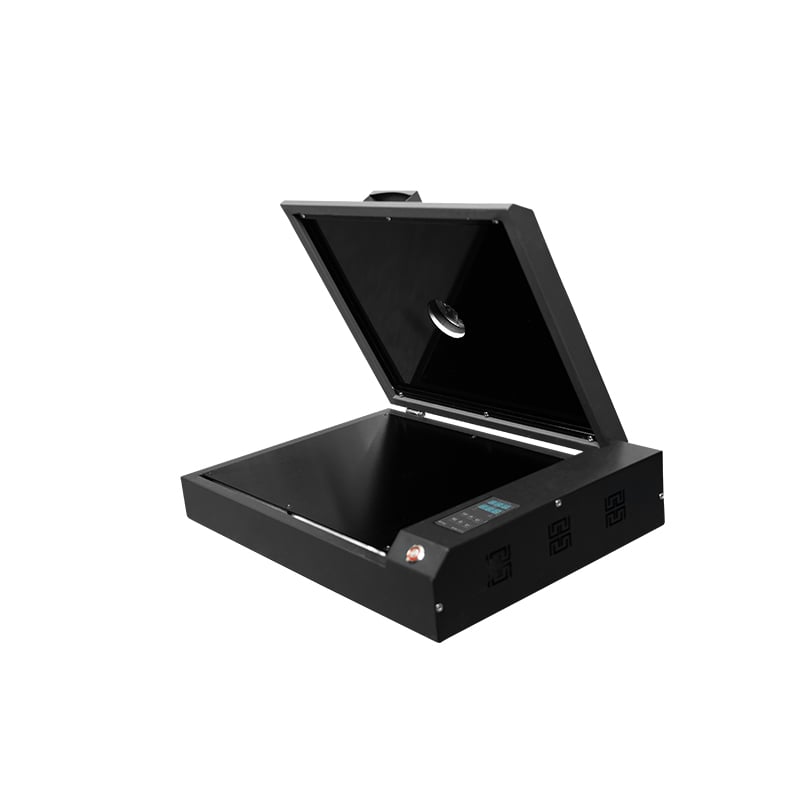
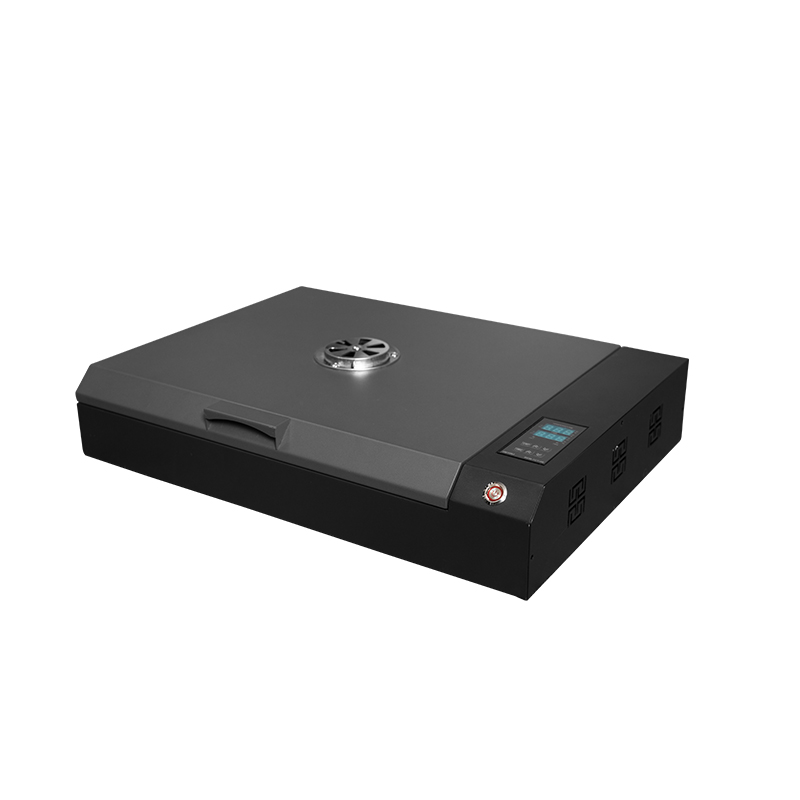
- Cure the powder: Pass the film through a curing oven or use a heat press hover (not direct contact) at approximately 250–275°F for 2–3 minutes. The powder melts and fuses to the ink, forming a uniform adhesive layer.
- Transfer to garment via heat press: Place the cured film ink-side down on the garment. Apply heat and pressure. Standard settings for 100% cotton: 310–325°F (154–163°C), medium-to-high pressure, 12–15 seconds. For polyester or synthetic blends, reduce temperature to 280–305°F and dwell time to 10–12 seconds to avoid fabric damage.
- Peel the film: Most DTF transfers use a hot peel — remove the carrier film immediately after pressing while still warm. Some films require cooling first (cold peel). Check your film specification before pressing a batch.

What Fabrics Can DTF Print On?
One of DTF's practical strengths for dtf printers for beginners is broad substrate compatibility. Unlike sublimation printing — which only works on polyester or poly-coated surfaces — DTF printing is compatible with cotton, polyester, nylon, blended fabrics, canvas, denim, and most non-woven materials. It works on both light and dark garments without fabric pre-treatment.
Different fabrics require different heat press settings — this is one of the most common areas where early DTF setups run into trouble. Treating all materials identically Your temperature for a heavyweight cotton hoodie should not be the same as for a lightweight performance jersey — and getting this wrong consistently will show up as peeling or inconsistent adhesion.
DTF vs. DTG vs. Screen Printing: A Quick Comparison
For those evaluating print methods, here's how DTF fits within the broader garment decoration technology landscape:
| Method | Best For | Dark Fabrics | Min. Order | Setup Cost |
|---|---|---|---|---|
| DTF | Short runs, full color, mixed fabric types | Yes | None | Medium |
| DTG | Detailed designs on cotton garments | With pre-treatment | None | High |
| Screen Printing | Bulk orders, solid colors, long runs | Yes | Typically 12–24+ pieces | Per-color screen cost |
DTF printing requires no screens, no plates, and no per-design setup fees — making it cost-effective for short-run and on-demand custom work that screen printing cannot economically accommodate.
What New DTF Users Often Get Wrong
Two observations that experienced DTF operators consistently share when reflecting on their first month of production:
Expecting plug-and-play operation. A DTF printer — like any professional print system — requires initial calibration, color profile setup, and nozzle check routines before achieving production-quality output. Plan for a week of test prints and process adjustments before your first customer orders. Treat the equipment documentation as a starting point rather than a shortcut.
Focusing on the printer and ignoring the system. Your ink formulation, film grade, powder mesh size, curing parameters, and heat press calibration each affect transfer quality as much as the printer hardware itself. Inconsistent results in early runs are typically a consumables or settings issue, not a machine defect. Understanding how does DTF printing work as a connected system is what moves you from inconsistent test results to reliable production output.
Getting Started with DTF Printing
Now that you understand how does DTF printing work from equipment selection through to final transfer, the next step is evaluating whether the process fits your production volume and fabric mix. The short answer for most beginners: if you need versatility, short runs, and full-color output, DTF is one of the most accessible entry points in modern garment decoration.
If your business requires short-run custom apparel, full-color photographic output across a range of fabric types, and a process with no minimum order requirement and no per-design screen cost, DTF printing is a strong match. The learning curve is real but manageable — most operators reach reliable production quality within two to four weeks of focused setup and calibration time.
For those evaluating hardware designed for the entry-to-intermediate market, Sunika's DTF printer lineup is built specifically for this segment. The compact SK-A3 A3-format model is a practical starting point for small shops, while the SK-A302 dual-head 12-inch configuration suits operations scaling toward higher daily output — both backed by Sunika's after-sales support focused on customers setting up their first DTF environment.