EN


What Is Direct to Film Printing and When Should You Use It?
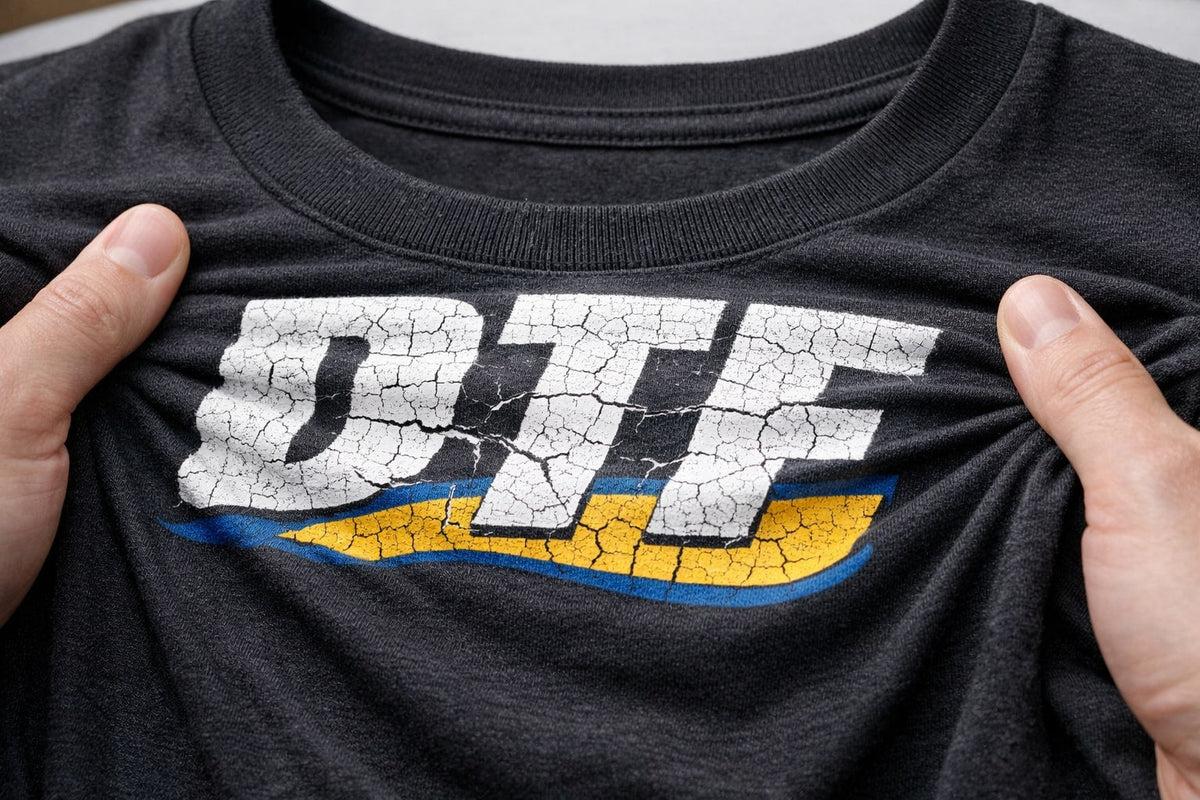
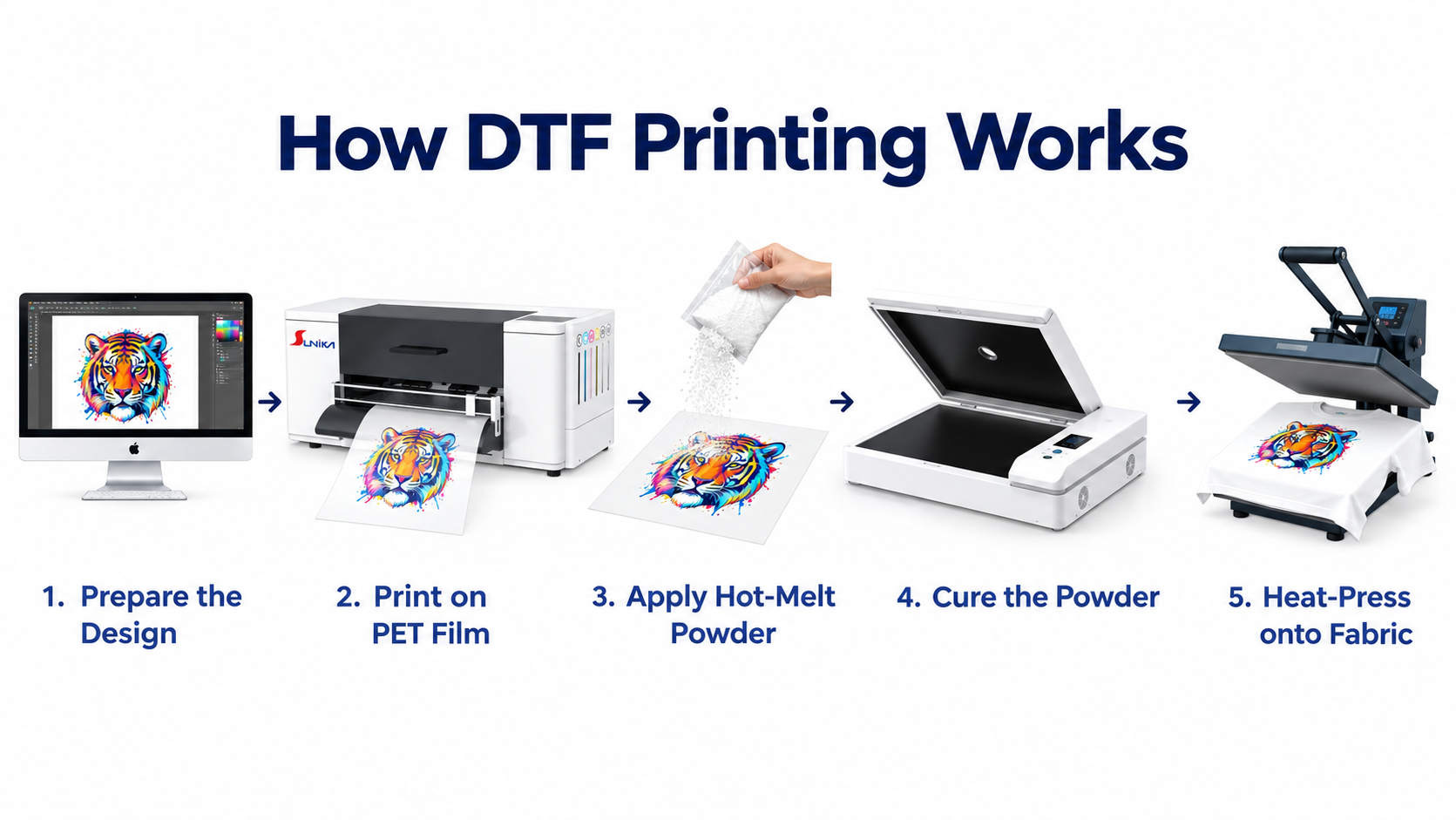
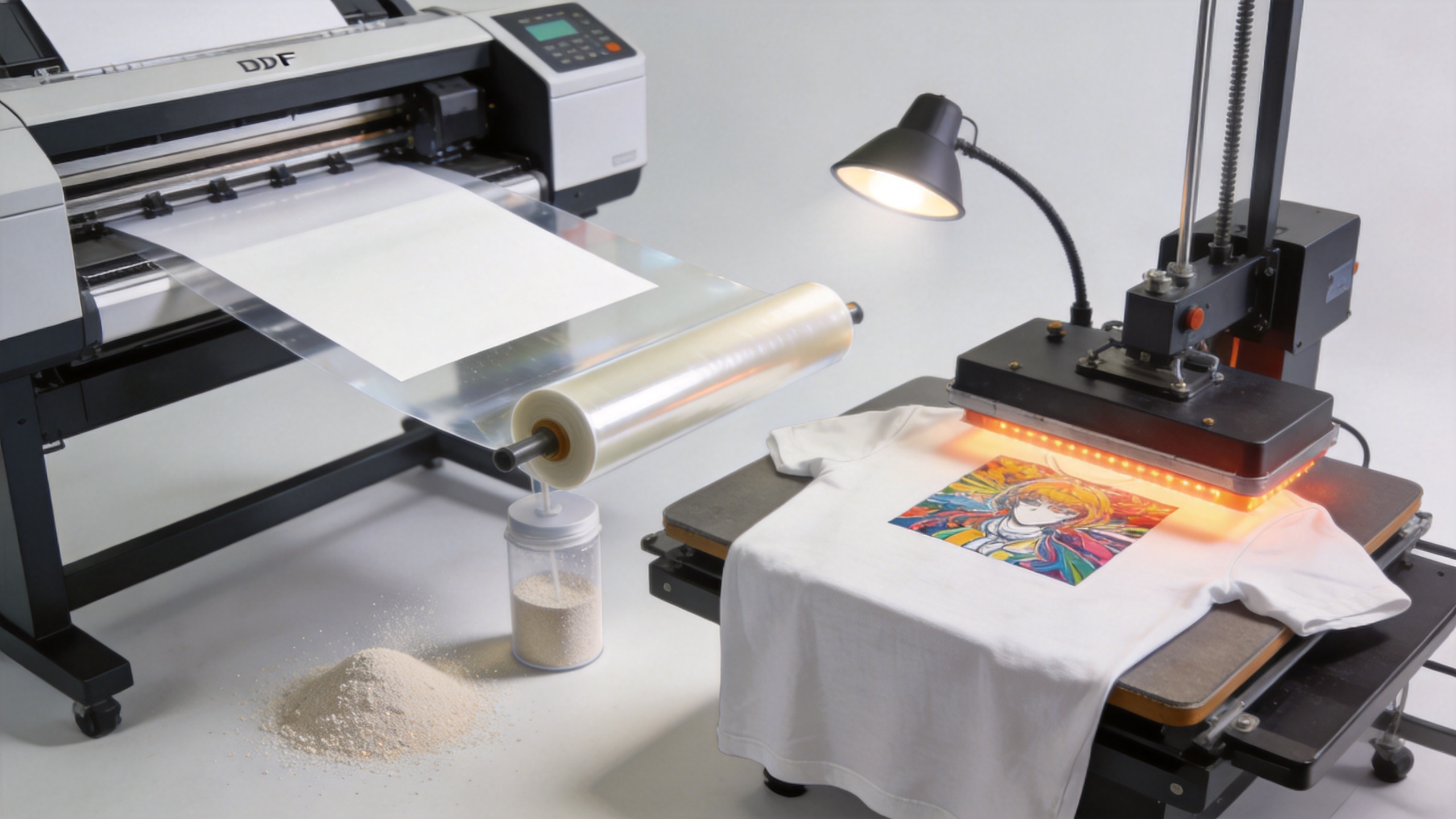
For garment decorators, a new print method is only useful when it makes the work easier to sell, produce, or deliver. Direct to film DTF printing does that by separating image printing from garment pressing. Instead of printing directly onto a shirt, the artwork is printed onto coated transfer film, prepared with adhesive powder, cured, and then pressed onto the finished item. The result is a ready-to-apply transfer that can support colorful, detailed decoration across many apparel jobs.
That simple description leaves out an important point: direct to film DTF is not automatically the right choice for every order. It is especially practical when order sizes are small or variable, designs are full color, garment fabrics are mixed, or a shop wants to print transfers before the final garments are ready. It also requires careful consumables handling, curing, and press testing. Here is how to decide whether the workflow fits your business.
What is direct to film DTF printing?
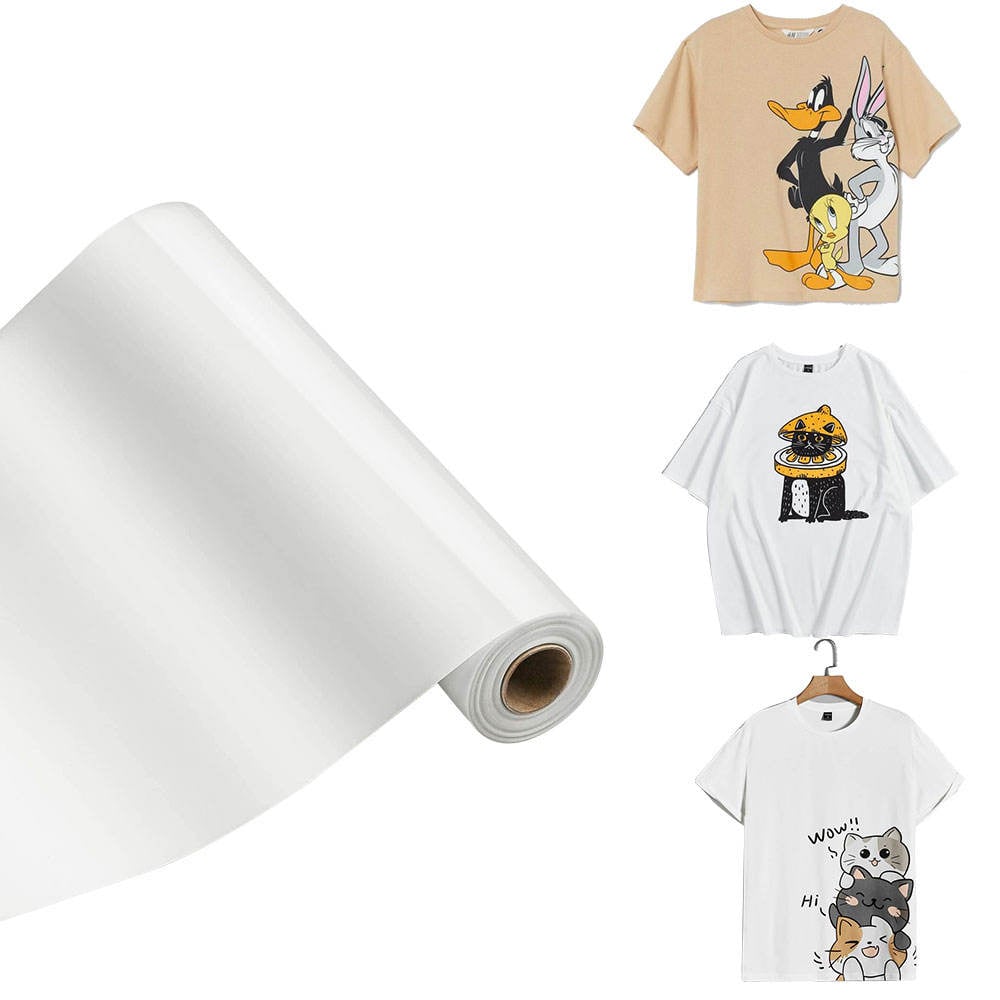
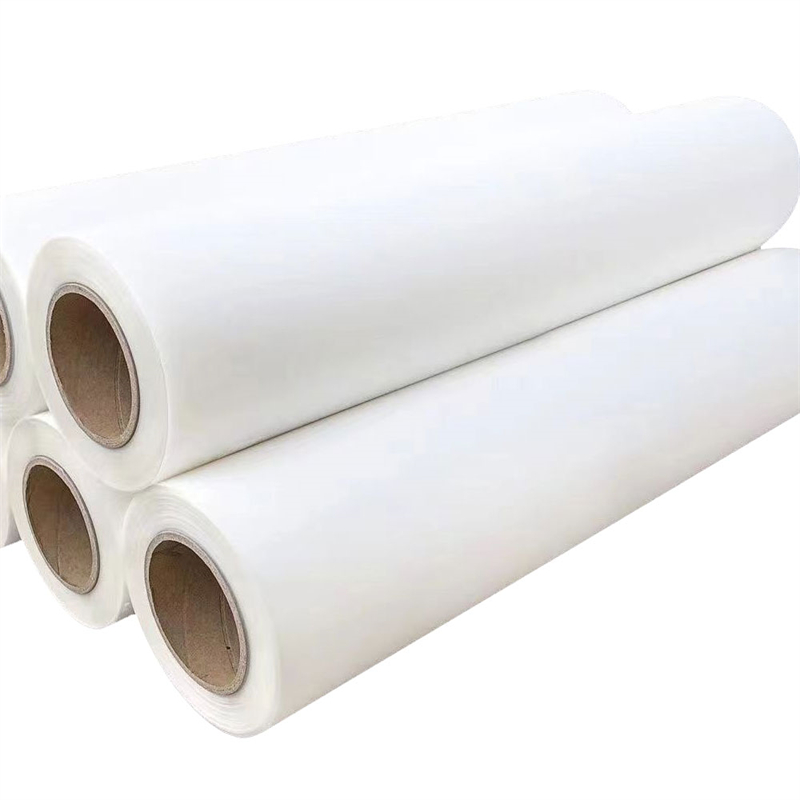
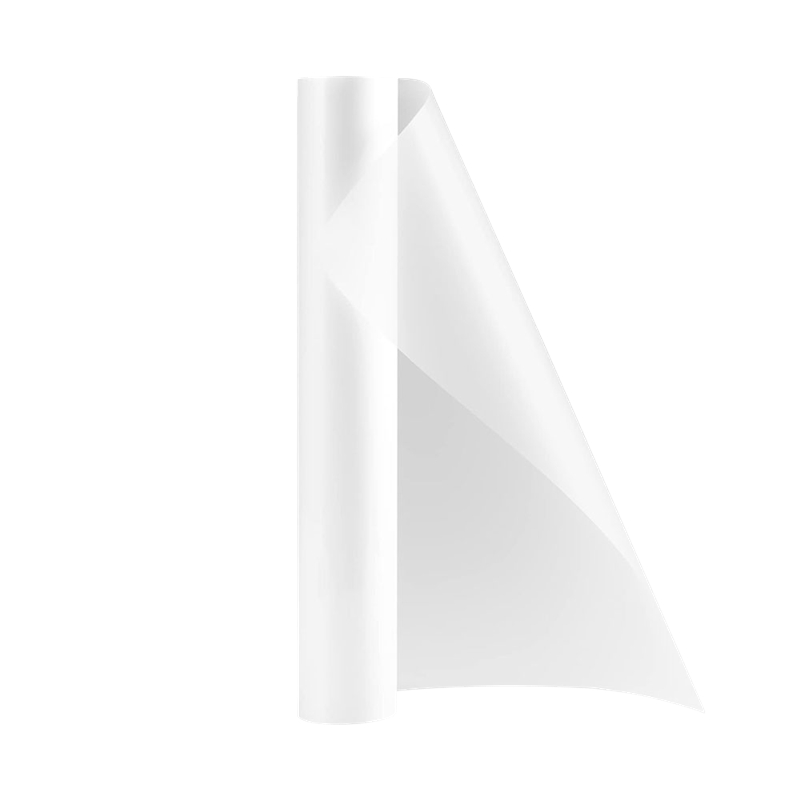
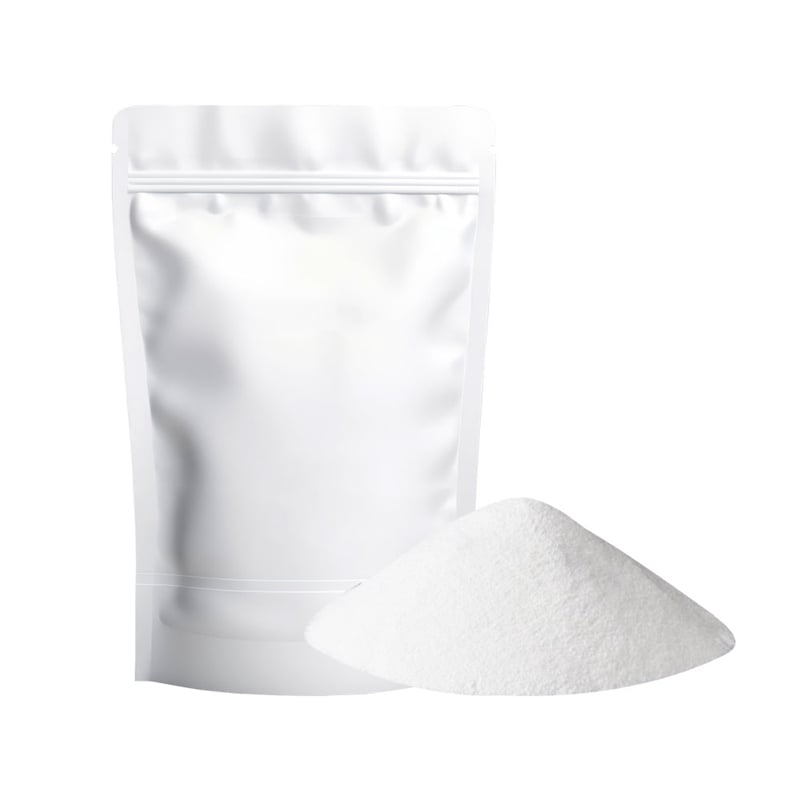
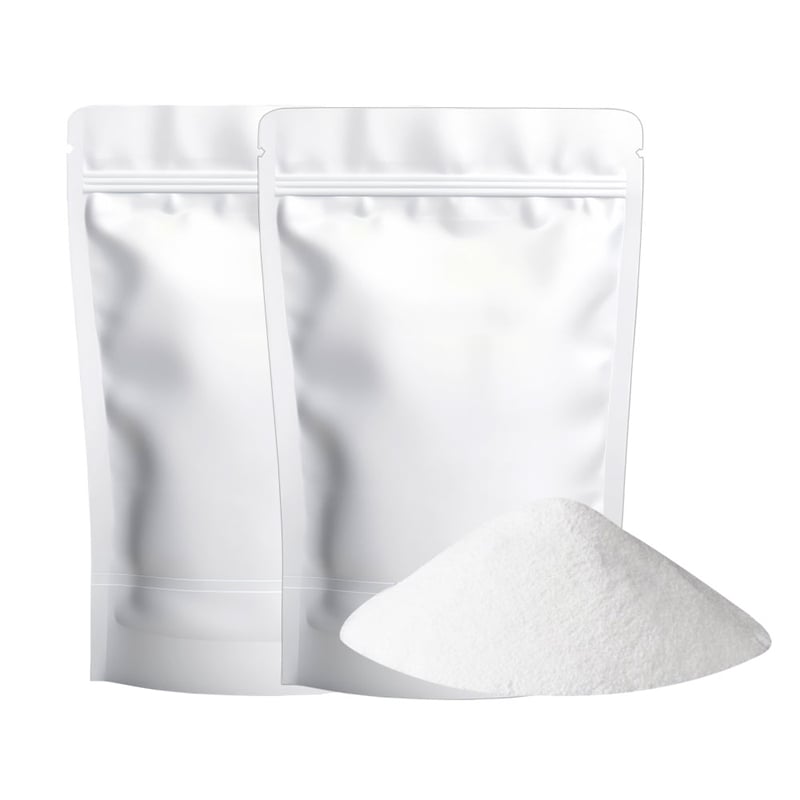
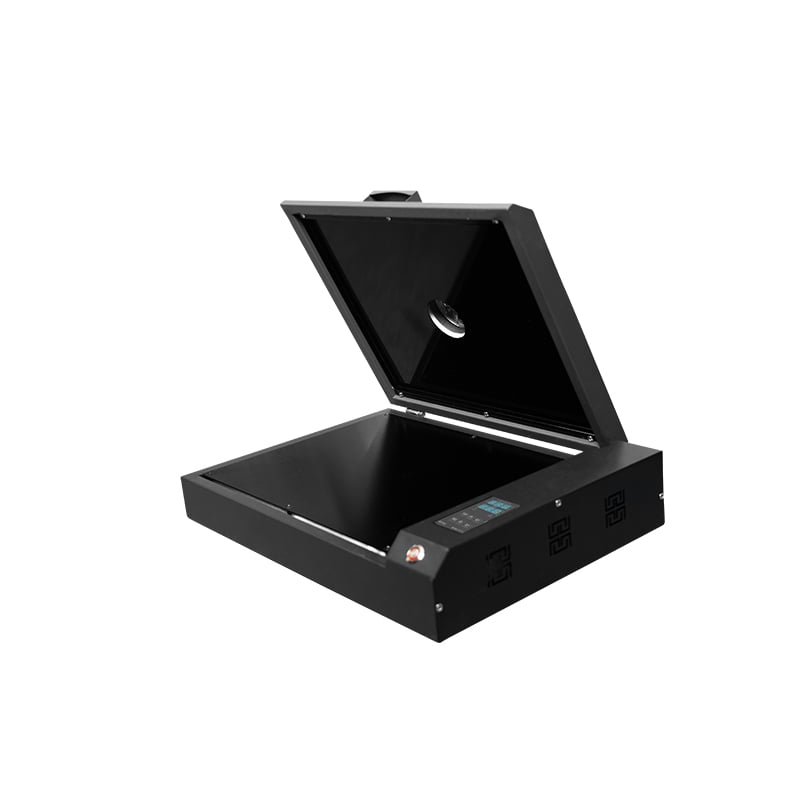
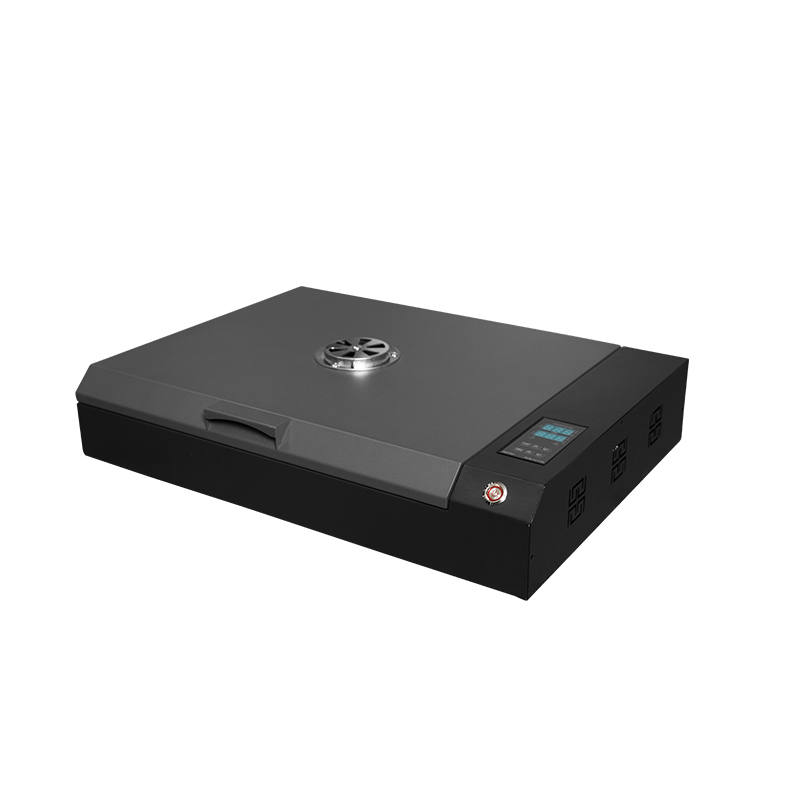
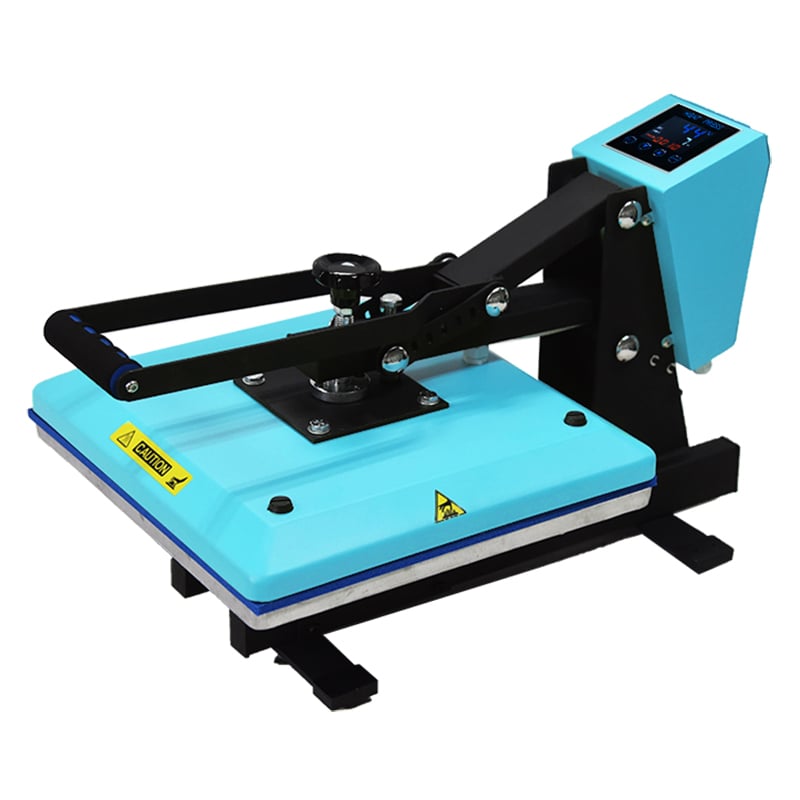
Direct to film DTF is a textile-decoration process that creates a transfer first and applies it to fabric later. A printer lays down the mirrored color artwork on a PET transfer film, followed by a white layer that helps the image stay visible on darker garments. While the print is still prepared for bonding, hot-melt adhesive powder is applied and cured. The finished transfer is placed on the garment and applied with a heat press.
Because the graphic exists on film before it reaches the garment, the printing and pressing stages can be scheduled separately. A shop may prepare transfers ahead of a busy fulfillment window, then press them onto the correct sizes or colors when an order is ready. That workflow differs from direct-to-garment printing, where the fabric must be loaded into the printer for each print.
Exact settings depend on the film, powder, ink, fabric, and press. As a general reference, many process guides describe a press range around 160–170°C (320–338°F) for about 10–15 seconds, but those numbers are not a substitute for the consumable supplier’s instructions and a real test press.
Why the workflow suits flexible apparel decoration
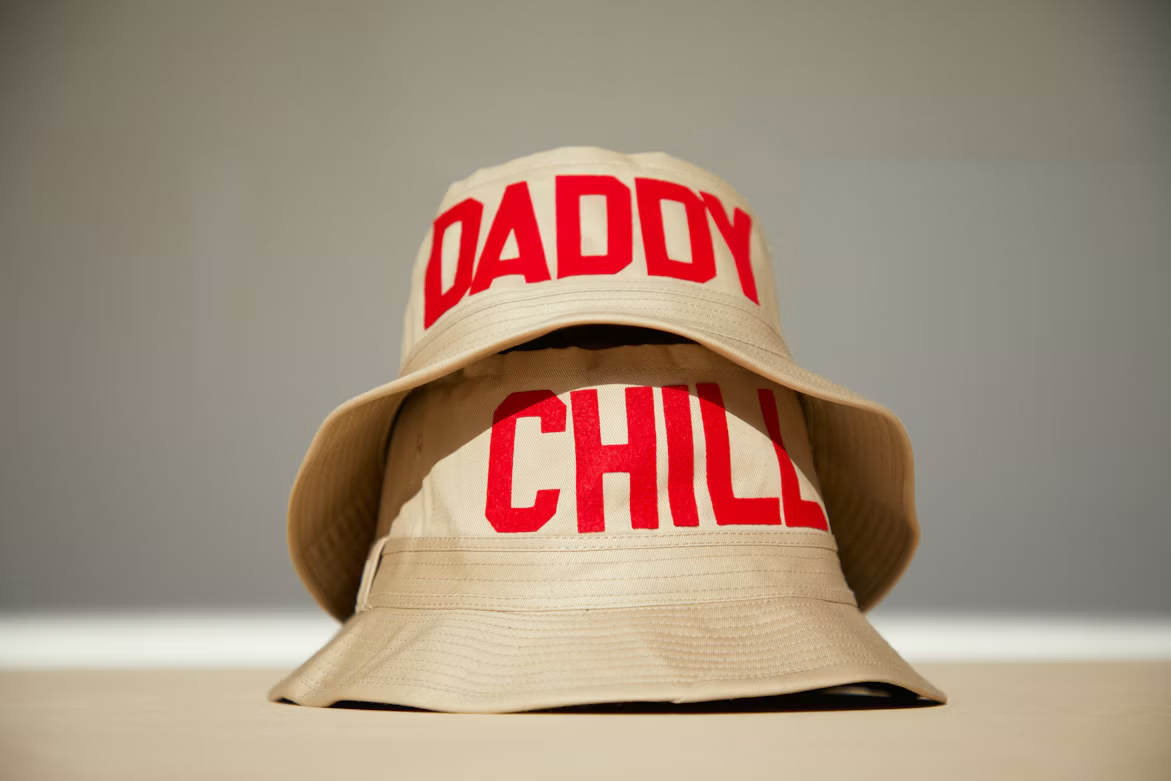
The main advantage of direct to film DTF is flexibility. A single transfer workflow can support artwork with fine lines, gradients, multiple colors, and white underbase printing. It is commonly used on cotton, polyester, blends, and other compatible textile surfaces after proper testing. This can simplify a business that receives mixed garment orders rather than one repeat design on one fabric.
- Short runs and on-demand jobs: There is no screen-making step, so a custom name, event graphic, or small team order can move into production without preparing a separate screen set.
- Full-color designs: Transfers can be useful for artwork that would be slow or costly to reproduce with multiple spot-color screens.
- Mixed garment inventories: When an order includes tees, hoodies, tote bags, or different fabric blends, preprinted transfers can give the press team more scheduling flexibility.
- Preproduction and storage: Cured transfers can be organized before pressing, helping separate print output from final garment finishing.
This does not mean every fabric behaves the same way. Stretch, surface texture, dye migration risk, and wash expectations all affect a transfer decision. Shops should test the actual garment, not just a similar sample, before promising a final finish to a customer.
When direct to film DTF is a good fit
Direct to film DTF is often a strong fit when the business needs responsiveness more than maximum efficiency on one large, repetitive design. Consider it for the following situations.
| Order situation | Why DTF may fit | What to check first |
|---|---|---|
| Small custom apparel runs | Artwork can go to transfer film without screen preparation. | Confirm the transfer feel and wash result on the selected garment. |
| Many colors or detailed artwork | Full-color image output and a white underbase can support complex graphics. | Calibrate color profiles and inspect fine-detail output. |
| Mixed garment sizes and colors | Transfers can be printed before the final items are pressed. | Sort transfers carefully and test each garment family. |
| Seasonal, event, or on-demand orders | Printing and pressing can be planned as separate production steps. | Plan storage, labeling, and press capacity for the order peak. |
| Expanding a decorator’s service menu | One workflow can complement screen printing or direct-to-garment production. | Estimate consumable use, maintenance time, and operator training. |
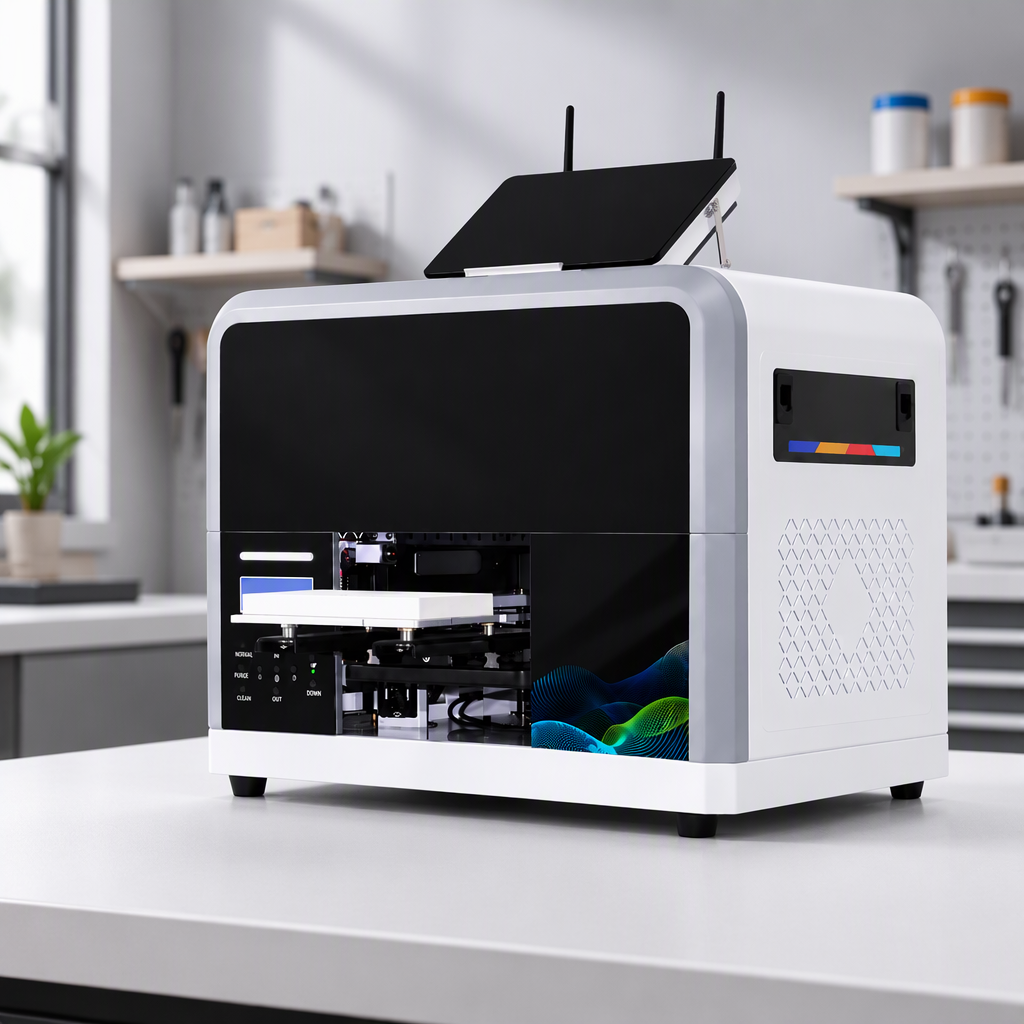
For an entry-level or compact setup, a product such as the Sunika SK-A3 DTF Printer F1080 330mm A3 Direct to Film Printer can be a relevant category to evaluate when A3-format transfer output aligns with the work you expect to produce. The correct choice still depends on real order volume, workflow space, and the rest of the transfer system—not the product name alone.
When another printing method may be better
A balanced decision starts with the jobs that do not favor direct to film DTF. For very large runs of the same design, screen printing may remain attractive because the upfront setup can be spread across many pieces. For a design that needs the lightest possible hand feel on a specific garment, a shop may want to compare a tested direct-to-garment or screen-print option. And if the operation cannot consistently manage white ink circulation, film, powder, curing, ventilation, and heat-press quality control, adding DTF too early can create avoidable rework.
Think in terms of throughput rather than printer speed alone. A fast print stage does not solve a bottleneck at powder application, curing, transfer sorting, or the heat press. Likewise, an attractive machine price is only one part of the cost: film, ink, powder, maintenance, utilities, failed test pieces, and operator time belong in the comparison.
Operational points that determine reliable DTF results
Most DTF quality problems trace back to process consistency rather than design creativity. White ink maintenance deserves particular attention, because idle time and poor circulation can contribute to nozzle issues. Film handling matters too: humidity, dust, and poor storage can affect feeding and transfer performance. Before scaling up, establish a repeatable checklist for artwork preparation, ink checks, powder coverage, curing, press temperature, dwell time, pressure, peel method, and post-pressing.
Color should be tested as a system. A screen preview is not a transfer. Use controlled test files, document the RIP profile, and keep successful settings with the matching film, ink, powder, and garment. That discipline is especially important for dark fabrics, where the white layer and press result can strongly affect perceived color.
A practical go/no-go checklist
- List the expected order mix: quantities, artwork complexity, garment types, and turnaround time.
- Run representative samples on the fabrics and colors you will actually sell.
- Calculate the complete workflow cost, including consumables, maintenance, curing, pressing, and rejected pieces.
- Confirm that the workspace supports safe, organized handling of powder, cured transfers, and heat-press operations.
- Choose equipment capacity around repeatable throughput and support needs, not only headline print speed.
Bottom line
Direct to film DTF printing is a transfer-based apparel-decoration method that can make full-color, short-run, mixed-fabric, and on-demand work more manageable. It is most suitable when flexibility and preprinted-transfer inventory add value to the operation. It is less compelling when one high-volume design dominates production or when the shop is not ready to control the full ink-to-press workflow.
Start with a realistic sample set, measure the whole process, and use those results to choose the right production scale. A carefully tested direct to film DTF workflow can become a useful complement to an established apparel-printing operation rather than a replacement for every method.