EN
EN
UV DTF vs Vinyl Sticker Printing: Key Differences You Should Know
As a DTF printing equipment specialist with hands-on experience across UV DTF configurations and traditional vinyl sticker setups, I can tell you that the key to choosing the right production method for custom stickers isn't just about which technology looks better on paper—it's about whether the method actually matches your workflow, your substrates, and your volume requirements.
Both UV DTF and vinyl sticker printing can produce high-quality custom stickers and decals. But they operate on fundamentally different principles, and those differences show up clearly when you get into real-world production. Five dimensions tell most of the story when you're deciding between the two.
1. Production Process: How Each Technology Works
Vinyl sticker printing starts with a vinyl film stock—typically a pressure-sensitive adhesive material—that gets printed using inkjet or solvent-based printers. After printing, the stickers are laminated, cut to shape (die-cut or contour cut), and peeled for application. The multi-step process (print → laminate → cut → peel) is well-established.
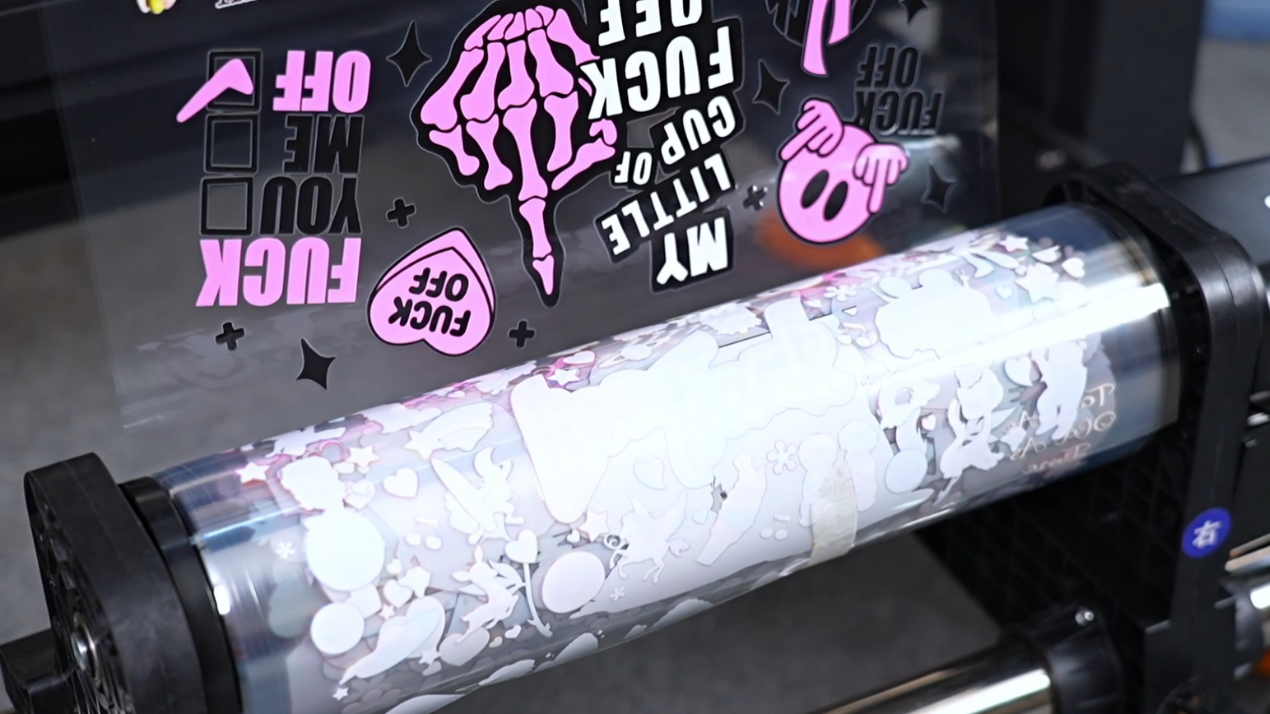
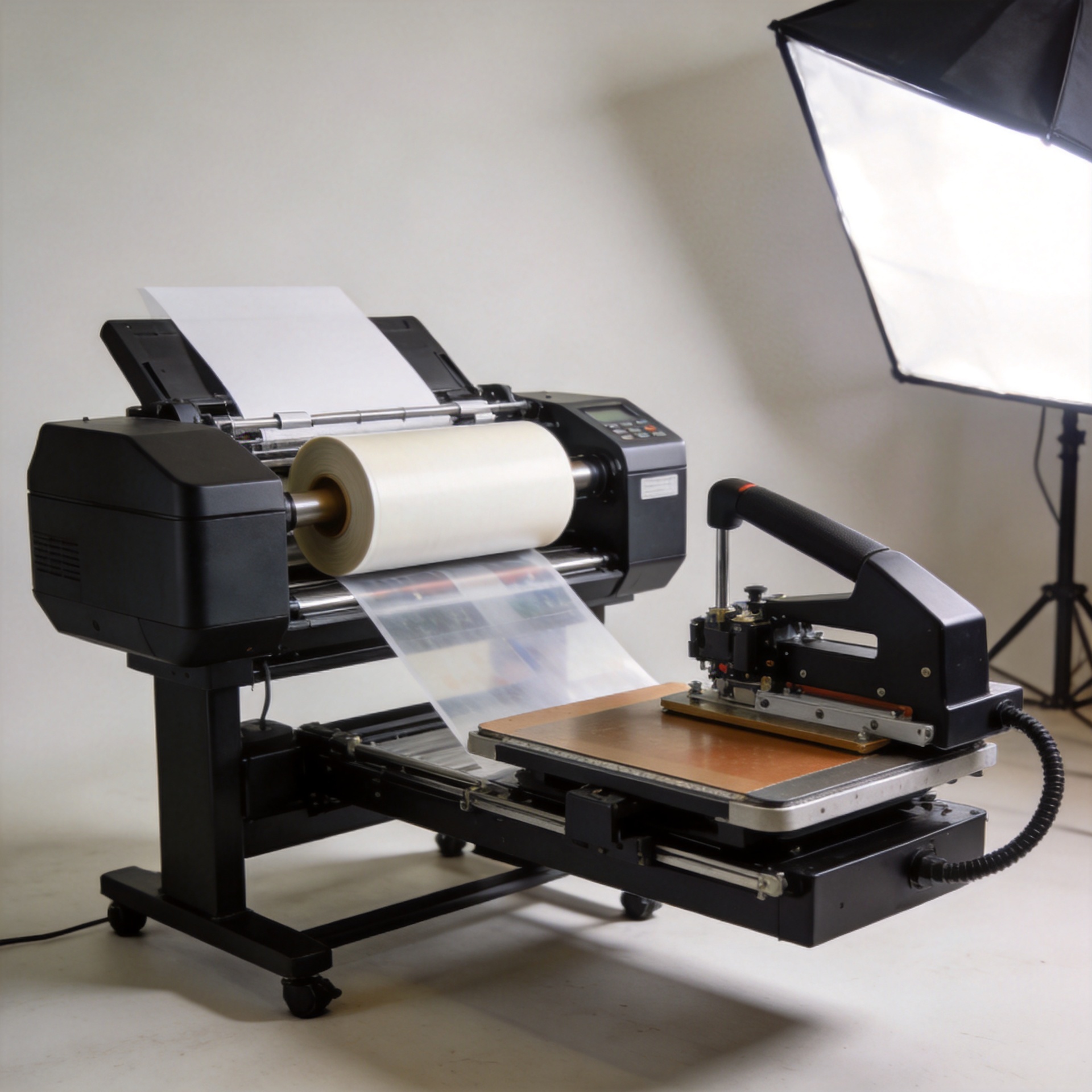
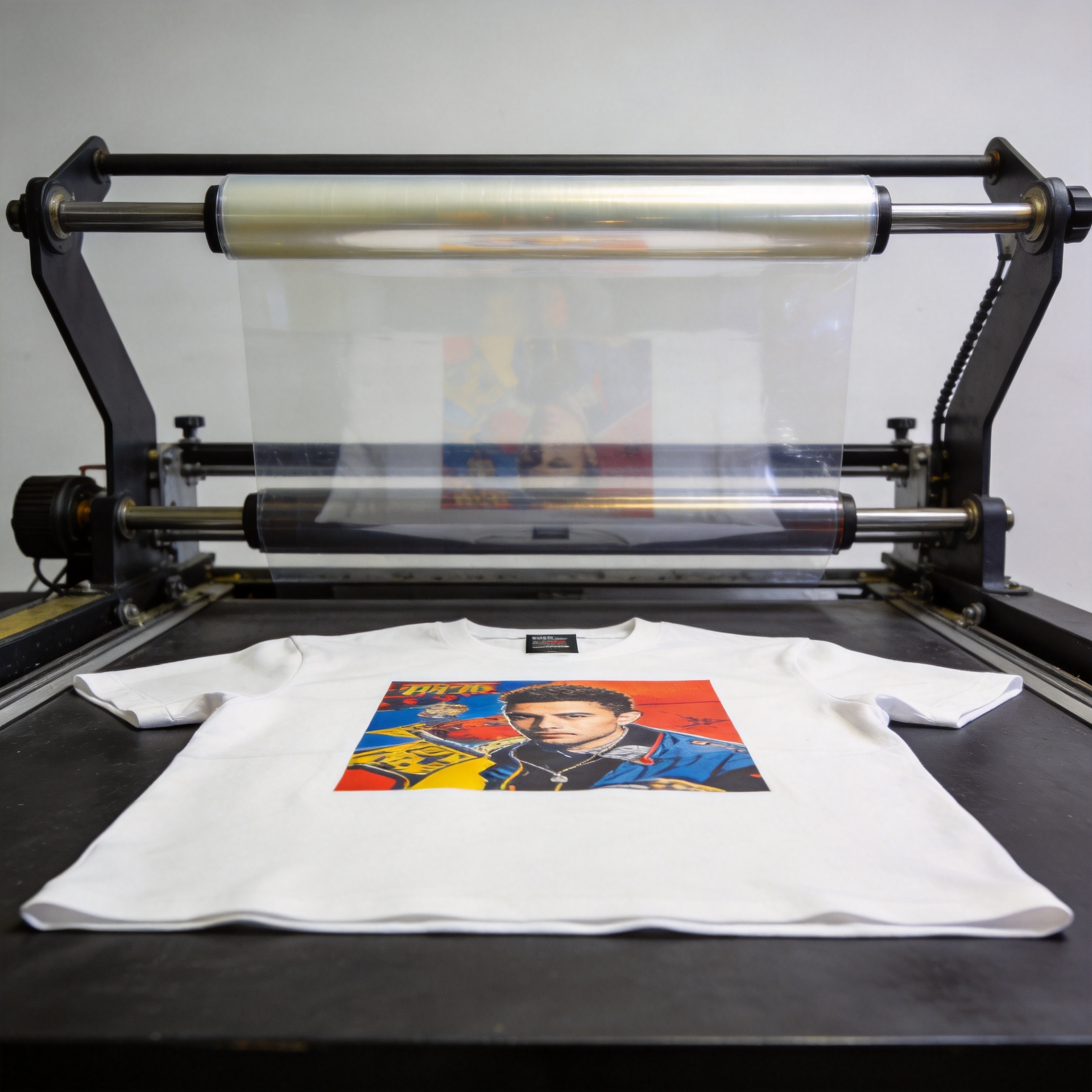
UV DTF (Direct to Film) printing takes a different path. A UV printer deposits UV-curable ink directly onto a specially coated clear film, then laminates a transfer adhesive layer on top. The result is a ready-to-apply sticker or decal that can be transferred to almost any hard surface by simply pressing and peeling the backing film. There's no separate lamination step—the UV curing process creates both the print and the protective surface in one pass.
Higher resolution doesn't automatically mean better output—what I didn't expect was how much the substrate surface finish affected the final result when comparing the two methods side by side. UV DTF's slightly raised ink layer gives a tactile, glossy finish that reads as premium, while traditional vinyl stickers tend to sit flat against the surface.
2. Substrate Compatibility: Where Each Method Excels
Vinyl sticker printing handles curved, soft, or irregular surfaces better. Vinyl film's inherent elasticity lets it conform to rounded containers, flexible packaging, and fabric applications—it bends and stretches without cracking. For custom vinyl stickers destined for bottles, apparel tags, or flexible product surfaces, vinyl remains the benchmark.
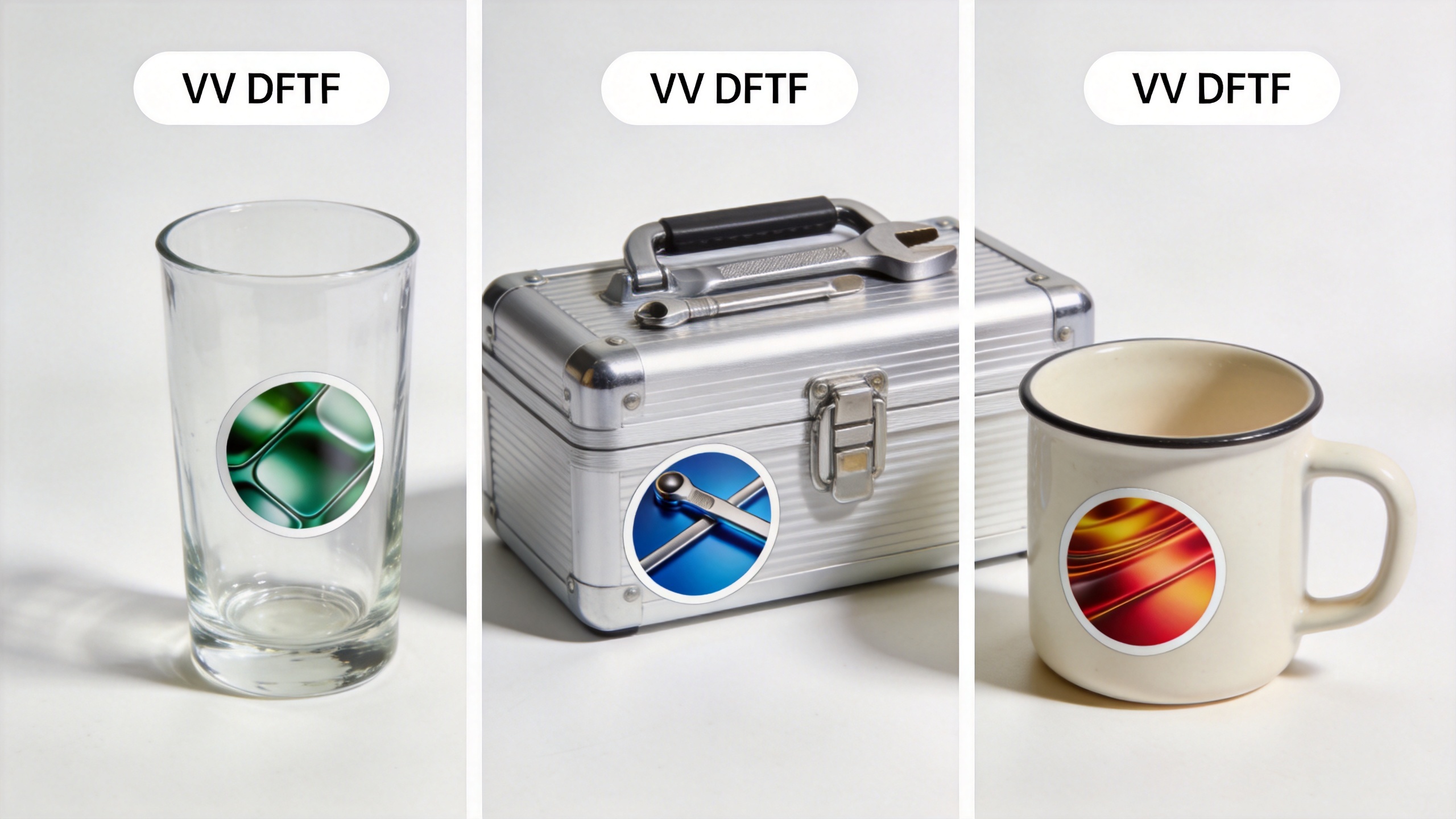
UV DTF printing, by contrast, opens up a substrate range that vinyl simply cannot match. Glass, metal, acrylic, ceramics, phone cases, wooden items, and powder-coated surfaces are all compatible with UV DTF transfers. If your production involves decorating rigid, hard-surface products—tumblers, tool cases, electronics enclosures, promotional items—UV DTF covers ground that would otherwise require a flatbed UV printer or screen printing setup.
If your substrate range is primarily flat, rigid, or hard, UV DTF is worth a serious look. But if flexible substrates and curved surfaces dominate your order mix, vinyl printing holds the edge on material compatibility.
3. Durability and Weather Resistance
UV DTF stickers are 100% waterproof once properly applied. UV-cured inks form a hard, sealed surface that repels water, and the adhesive layer holds firmly to smooth non-porous surfaces. They can endure rain, direct sun exposure, and temperature variation without deteriorating—which makes them well-suited for outdoor product labeling, promotional merchandise, and equipment decals.
Traditional vinyl sticker printing can also achieve strong weatherproofing, but it typically requires a laminate topcoat to protect the ink layer. Standard durable vinyl with UV laminate can last 5 or more years outdoors. That said, the lamination is an added process step that adds to production time and per-unit cost for outdoor-grade custom stickers.
The purchase price of vinyl materials felt like the main decision driver, until I started tracking per-unit cost when outdoor laminate was added, and realized the real number to optimize is total cost per finished durable sticker. At scale, UV DTF's inline durability often closes the gap with laminated vinyl.
4. Print Quality and Color Reproduction
UV DTF technology—well, particularly the multi-pass inkjet configurations—allows for fine details and vibrant, multi-layered colors with strong clarity. Printing at 300 DPI with UV-cured CMYK plus white ink enables full-color reproduction on transparent or dark-colored base films. The white ink underlayer is what makes UV DTF viable on non-white, textured, or dark-colored substrates without color distortion.
Vinyl sticker printing using inkjet or solvent systems also delivers high-quality color output. For photographs, gradients, and fine-detail imagery destined for light-colored or white-backed surfaces, vinyl printing is a proven production method. The limitation appears when you need to print on dark or transparent surfaces without a white ink option—not all vinyl printing setups include white ink capability.
5. Cost Considerations and Production Scale
Both options have trade-offs depending on production volume and order type. Vinyl sticker printing generally has lower hardware entry costs and a broader pool of compatible printers and consumables. For shops already running vinyl-based production, adding custom sticker output requires minimal new investment.
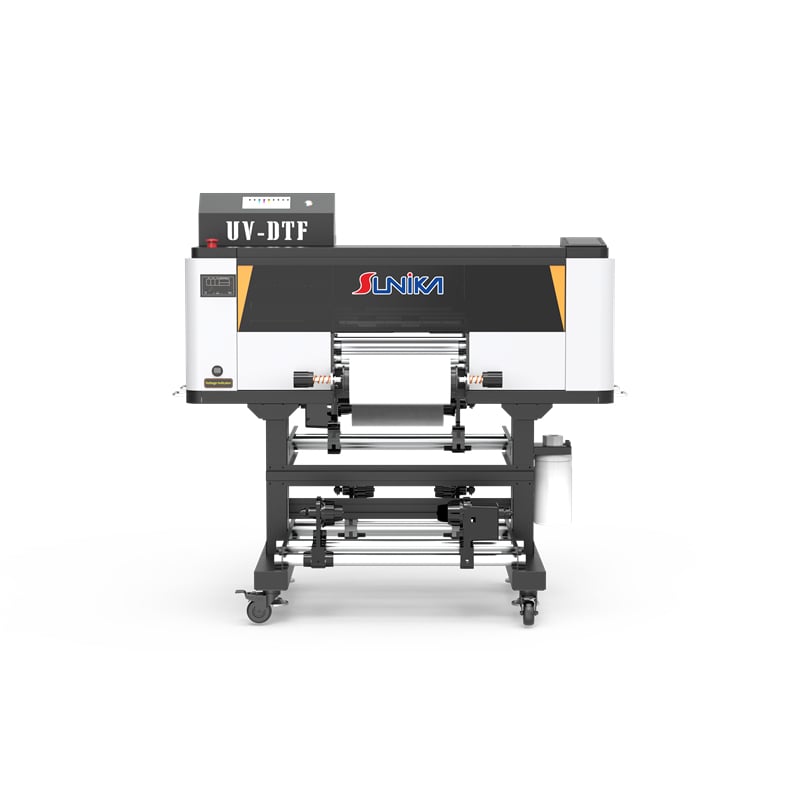
UV DTF printing requires a dedicated UV DTF printer with UV-curable ink compatibility. Equipment like the Sunika SK30-3 UV DTF Sticker Printer or the SK-U301 UV DTF Printer with Epson i3200 printhead fits shops that need to add hard-surface sticker production. If your production includes both custom vinyl stickers and rigid surface decoration, the UV DTF approach consolidates what would otherwise require separate workflows.
If your print volume is consistent and your order mix leans toward hard-surface products, UV DTF equipment typically delivers a more favorable cost-per-print over time. But if you're running seasonal spikes, irregular order sizes, or predominantly flexible substrates, the flexibility and lower consumable overhead of vinyl sticker printing may still make more operational sense.
Which Method Fits Your Production Needs?
There's no universally right answer between UV DTF and vinyl sticker printing—it really comes down to your substrate range, required durability, production volume, and how much process overhead your team can absorb.
- UV DTF is the better fit if you print on hard surfaces (glass, metal, acrylic, ceramics), need inline waterproofing without extra lamination, and want a single-step transfer process for mixed product types.
- Vinyl sticker printing remains the stronger choice if your work involves flexible substrates, curved surfaces, large-format outdoor applications, or if you're scaling within an existing vinyl-centric setup.
Knowing where each technology breaks down matters as much as knowing where it performs well. For UV DTF applications specifically, the combination of substrate versatility, print quality, and built-in durability makes it a practical option for shops moving beyond traditional custom sticker formats.