 EN
EN


UV DTF Stickers vs Traditional Vinyl Stickers: Which Is Better for Your Products?
For a brand, print shop, or promotional-products buyer, the right label method is not simply the one with the lowest price. The better choice depends on the object being decorated, the finish the customer expects, the production workflow, and the cost of getting a reliable result. This comparison looks at sticker dtf uv technology beside traditional vinyl stickers from a practical purchasing perspective.
UV DTF transfers and vinyl stickers can both carry logos, artwork, and product information. Yet they behave differently once they leave the production table. UV DTF is built around a UV-cured printed transfer that is applied to many rigid, smooth surfaces. Vinyl is a broad category that can include printed decals, cut lettering, and laminated labels. Neither route wins every job.
Start With the Product Surface and the Expected Finish
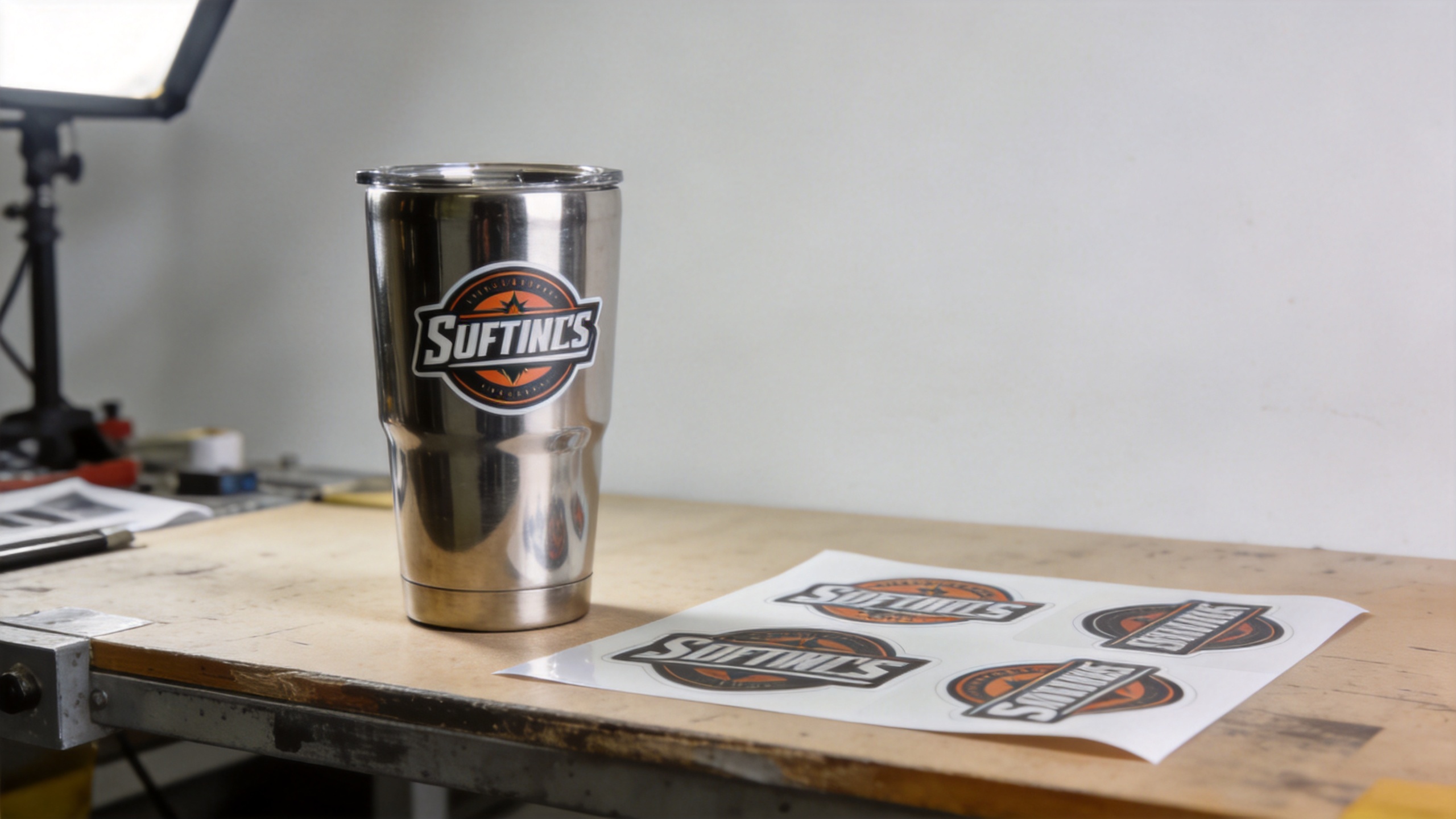
The first question is where the graphic will go. A sticker dtf uv transfer is often a strong fit for hard, non-porous items such as glass bottles, metal tumblers, acrylic displays, ceramics, coated packaging, and smooth plastic. The transfer can produce a glossy, slightly raised appearance that makes small logos and colorful artwork look more like part of the object than a conventional flat label.
Traditional vinyl stickers remain useful when flexibility matters. Soft packaging, curved areas with frequent flexing, outdoor signage, vehicle applications, and designs that need a thin, familiar decal feel may favor a properly selected vinyl material. The key phrase is properly selected: vinyl films, adhesives, laminates, and application methods vary widely, so “vinyl” alone is not a durability specification.
| Decision factor | UV DTF stickers | Traditional vinyl stickers |
|---|---|---|
| Visual effect | Glossy, high-color, lightly textured transfer effect | Usually flatter; finish depends on film and laminate |
| Typical surface fit | Many smooth, rigid hard surfaces | Broad range, especially flexible or sign-oriented uses |
| Artwork handling | Strong for detailed, full-color branding | Strong for simple cut shapes and durable printed decals |
| Workflow | Print, cure, laminate/transfer, then apply | Print or cut, weed/laminate when needed, then apply |
| Buyer watch-out | Adhesion depends on surface energy, cleanliness, and end use | Material and laminate selection can change cost and longevity substantially |
Compare Print Quality, Gloss, and Brand Presentation
When a product needs a premium decorative touch, sticker uv dtf work is attractive because UV-cured inks can create saturated color, crisp small details, and a glossy surface. This can suit promotional drinkware, cosmetic containers, gift boxes, electronics accessories, and branded hard goods. It also avoids the visual interruption of a large white or clear border when the artwork is designed for the transfer process.
Vinyl has its own visual advantages. A clean cut-vinyl logo can look simple and intentional, especially for one- or two-color graphics. Printed vinyl can be a sensible choice for large-format artwork, outdoor decals, and designs where a thin flexible film is more valuable than a dimensional finish. For a buyer comparing samples, inspect fine type, gradients, edge appearance, and how the decoration reads under normal retail lighting—not only under a studio lamp.
Durability Is a Test Plan, Not Just a Number
Durability claims should be handled carefully. Search results commonly describe uv dtf print output as weather-resistant, and one durability guide suggests roughly three to five years indoors and two to three years outdoors depending on care and conditions. Treat those ranges as directional guidance rather than a universal promise. Sun exposure, dishwasher use, abrasion, cleaning chemicals, surface texture, and application quality can all change the outcome.
For UV DTF, the highest-risk step is often preparation. Dust, oil, mold-release residue, and uneven coatings can reduce adhesion. A responsible buyer should request or run samples on the exact substrate, then assess scratch resistance, edge lifting, hand feel, and cleaning behavior. Vinyl needs the same discipline: choose the intended film and adhesive, allow the correct dwell time, and test it on the actual product shape.
- Test a real production substrate rather than a generic sample panel.
- Define the end-use environment: indoor retail, occasional handling, outdoor exposure, or frequent washing.
- Check small text and corners after cleaning and abrasion tests.
- Record the approved material, curing/application settings, and operator steps before scaling.
Which Workflow Is Easier for Short Runs?
For short runs and variable artwork, a sticker dtf uv workflow can reduce the need to cut and weed every individual design. That makes it appealing for product personalization, mixed-SKU promotions, and complex full-color logos. UV DTF transfers are applied without a heat press on many hard surfaces, which may simplify fulfillment where the application object can be handled consistently.
Vinyl is still efficient when the job is simple: single-color lettering, repeatable shapes, or larger decals that a cutter can process quickly. However, labor can rise with intricate weeding, layering, and matching multiple colors. The right comparison is therefore not “machine cost versus machine cost.” Include artwork preparation, operator time, consumables, reject rate, and the time needed to apply each finished decoration.
A Practical Cost Comparison for Procurement Teams
Unit cost can mislead when the two methods are quoted without context. UV DTF may carry higher equipment and consumable complexity, but its visual impact and simplified handling of detailed variable artwork can improve value on premium, short-run, or customized hard goods. Vinyl can be economical for volume decals, straightforward graphics, and projects where a flexible film is appropriate.
Build a cost model around five questions: How many designs are in the run? How complex is the art? How much application labor is required? What does a failed decoration cost? And what finish will help the product sell? A low material cost is not a saving if poor adhesion or a visible edge creates rework.
How to Choose Between UV DTF and Vinyl
Choose UV DTF when the job centers on hard-surface decoration, rich color, a glossy premium look, and short-run personalization. Choose vinyl when flexibility, familiar decal performance, large-format needs, or a straightforward cut-and-apply workflow are the priority. For many brands, keeping both options available and matching them to the product line is a practical approach.
If you are evaluating equipment for a UV DTF sticker program, look beyond the initial output sample. Review training, consumable consistency, service support, and the types of objects your customers actually bring to you. For a closer look at one available production option, see the Sunika Sk30-3 UV DTF sticker printer. A supplier conversation should focus on your applications and validation process rather than a one-size-fits-all claim.
Common Questions About Sticker DTF UV
Is sticker dtf uv better than vinyl for every product?
No. Sticker dtf uv is usually stronger for glossy hard-surface decoration, while vinyl may be the more practical route for flexible, large-format, or sign-focused jobs. Compare a sticker dtf uv sample and a vinyl sample on the same product before committing.
Can sticker uv dtf replace cut vinyl for a detailed logo?
Sticker uv dtf can reduce weeding and layering for detailed full-color art. It does not remove the need for clean surfaces, careful transfer application, and a documented quality check.
What should a buyer ask before purchasing a UV DTF system?
Ask for application samples on your actual materials, a consumables plan, operator training details, and support expectations. For sticker dtf uv work, confirm how the workflow handles small lettering, curved objects, and repeat jobs.
How do I control cost on short-run orders?
Track artwork setup, materials, application time, rejected pieces, and packing time. A sticker dtf uv workflow can be economical when it avoids complex cutting and supports varied full-color designs, but each job should still be priced from its real production steps.
What makes uv dtf print results more consistent?
Consistent uv dtf print results start with stable artwork preparation, compatible consumables, a clean substrate, and a repeatable application routine. Keep an approved sample with the job record so operators can compare future output.
For buyers deciding between sticker dtf uv and vinyl, the safest approach is a small controlled trial. Apply both methods to the intended product, simulate normal handling, and compare finish, labor, and rework. That makes sticker dtf uv selection a documented business decision rather than a trend-driven purchase.
Final Takeaway
UV DTF and vinyl are tools for different jobs. Sticker dtf uv technology can give hard goods a vivid, polished brand treatment with efficient handling of detailed artwork. Vinyl remains a versatile, proven choice when material flexibility and conventional decal performance matter most. Test both on your real product, calculate the complete workflow cost, and select the process that protects quality at the scale you need.













