EN


What Does DTF Mean in Printing? A Practical Guide for Custom Apparel Shops
If you are researching dtf meaning printing, the short answer is Direct to Film. It is a transfer-printing workflow in which artwork is printed onto a coated film, combined with adhesive powder, cured, and then heat-pressed onto a garment. For a custom apparel shop, understanding dtf meaning printing is less about memorizing an acronym and more about seeing where the process fits between artwork approval and a finished shirt.
DTF can be useful when a shop wants full-color designs, small production runs, or artwork that needs to move across several fabric types. It is not a magic substitute for every decoration method. The right choice still depends on the garment, artwork, order volume, workflow discipline, and the equipment your team can support.
What does DTF mean in printing?
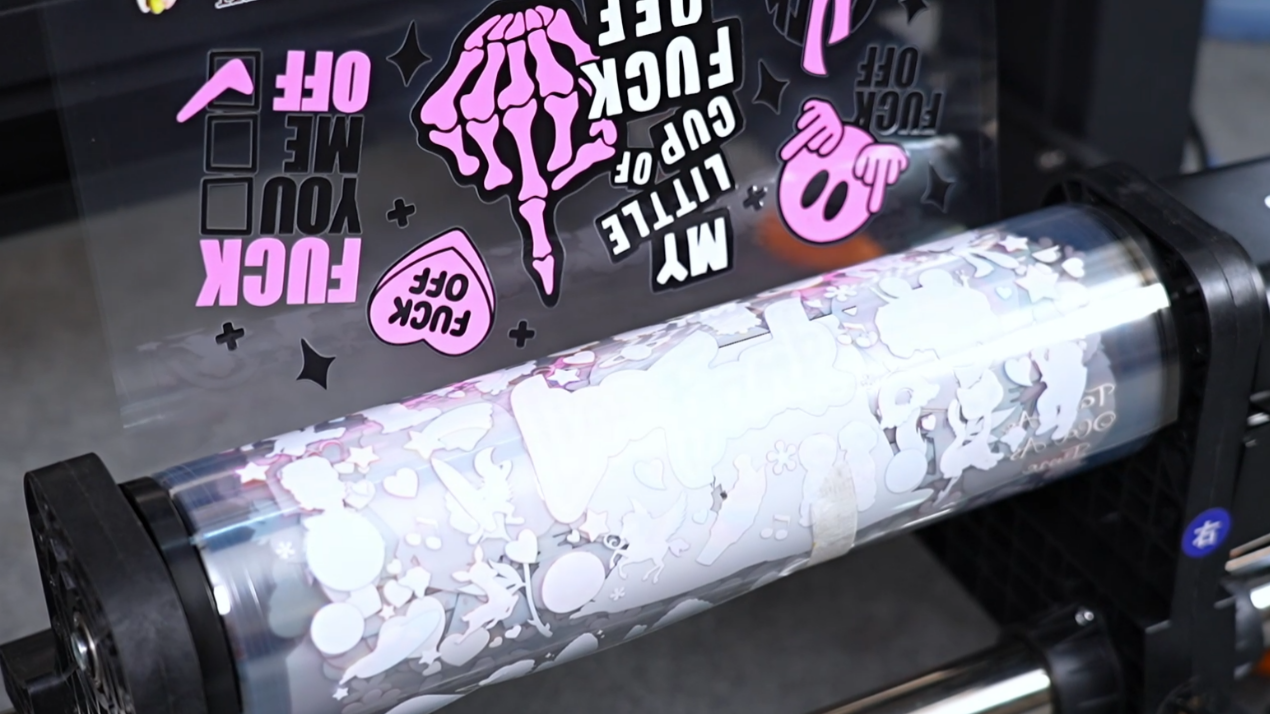
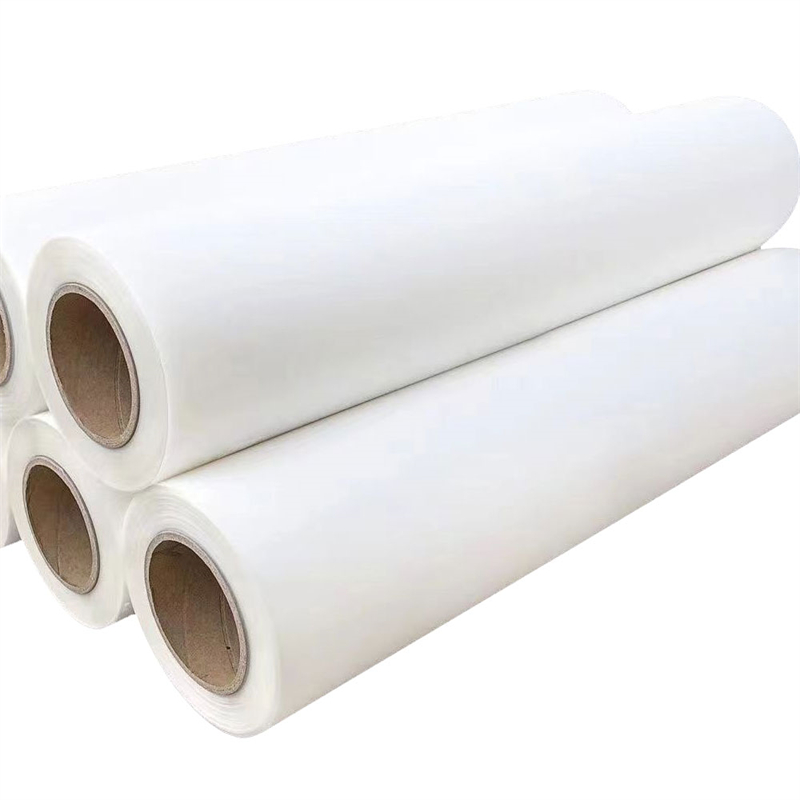
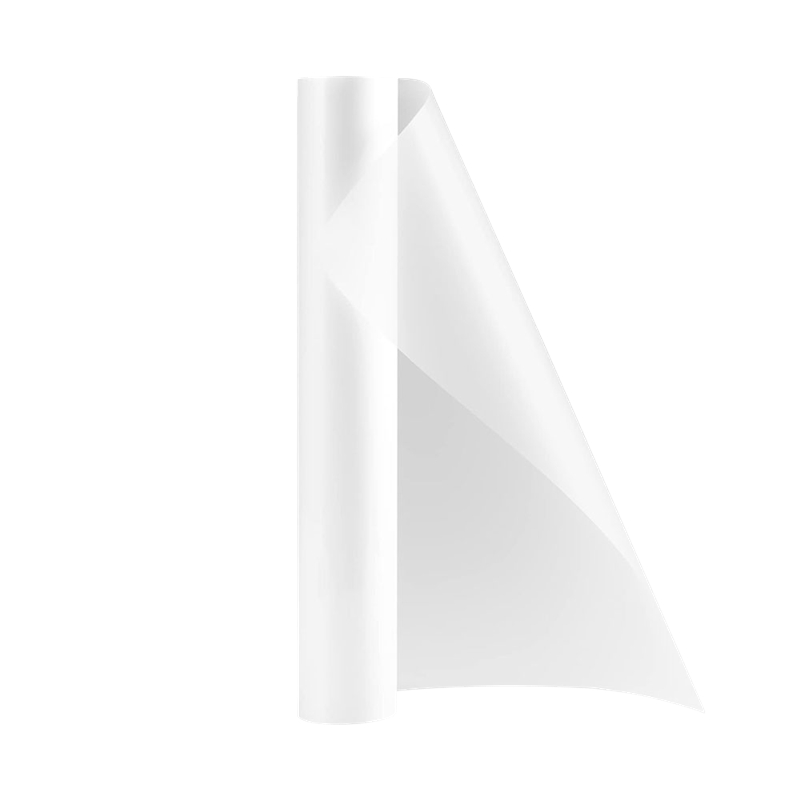
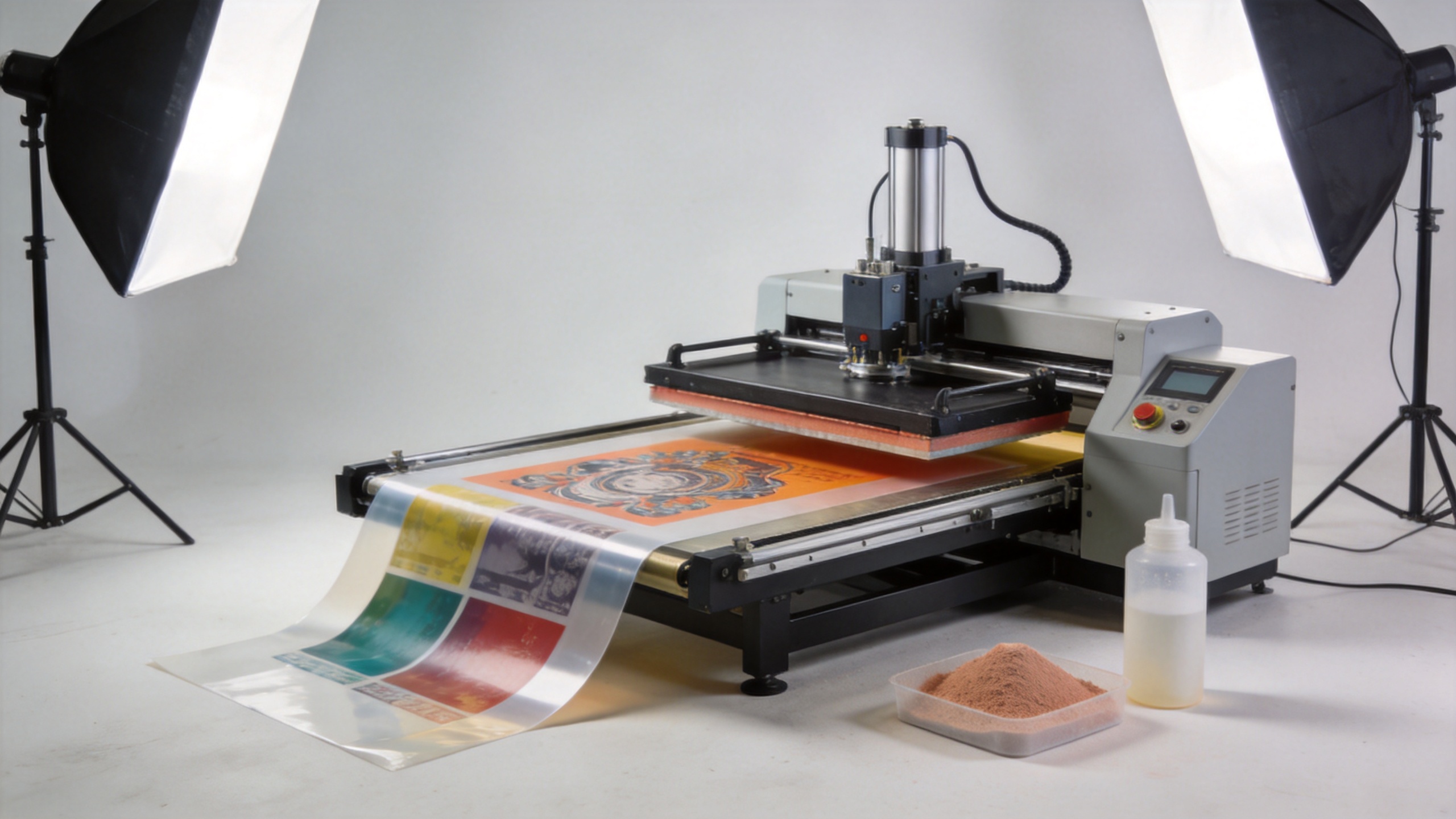
In apparel decoration, dtf meaning printing refers specifically to Direct to Film printing. A printer creates the image on transfer film rather than directly on the garment. White ink is commonly part of the image-building sequence, then hot-melt adhesive powder is applied to the still-tacky printed area. After curing, the transfer can be pressed onto the selected textile.
This definition matters because “DTF” can mean different things in general web searches. For a garment shop, use the full phrase Direct to Film when speaking with suppliers, training staff, or comparing systems. Clear language reduces confusion with UV DTF labels, direct-to-garment printing, and ordinary heat-transfer vinyl.
How the Direct to Film workflow works
A practical way to understand dtf meaning printing is to follow the production path. First, the operator prepares artwork with transparent areas, appropriate color handling, and an underbase strategy where needed. Next, the printer places the design on coated film. The printed film receives adhesive powder, and the powder is melted or cured so it can later bond during heat pressing.
- Prepare the file. Check dimensions, fine details, transparency, and the intended garment color.
- Print on film. Produce the artwork on transfer film using the system’s approved inks and workflow.
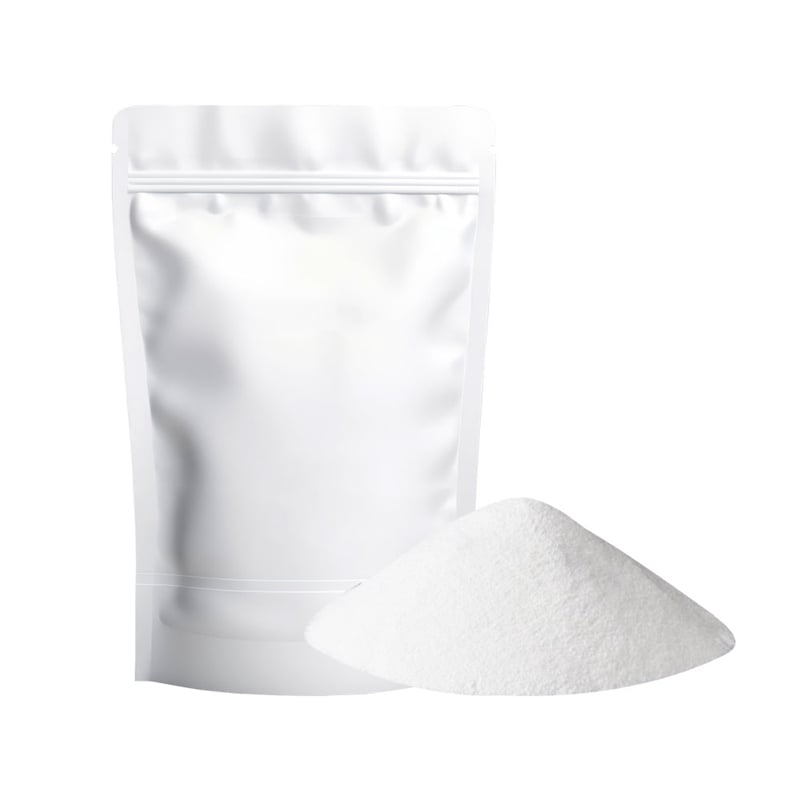
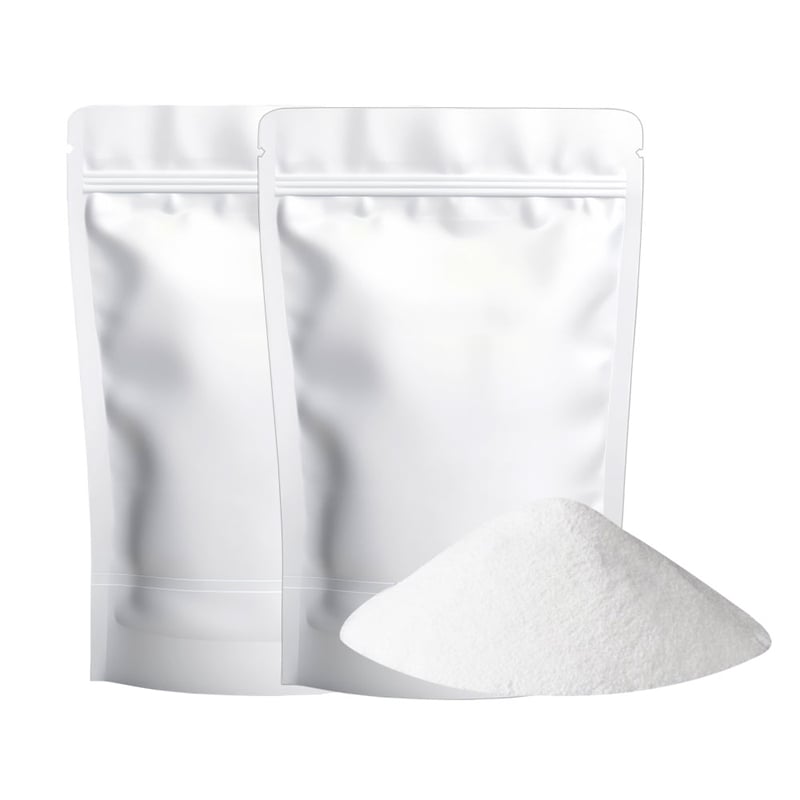
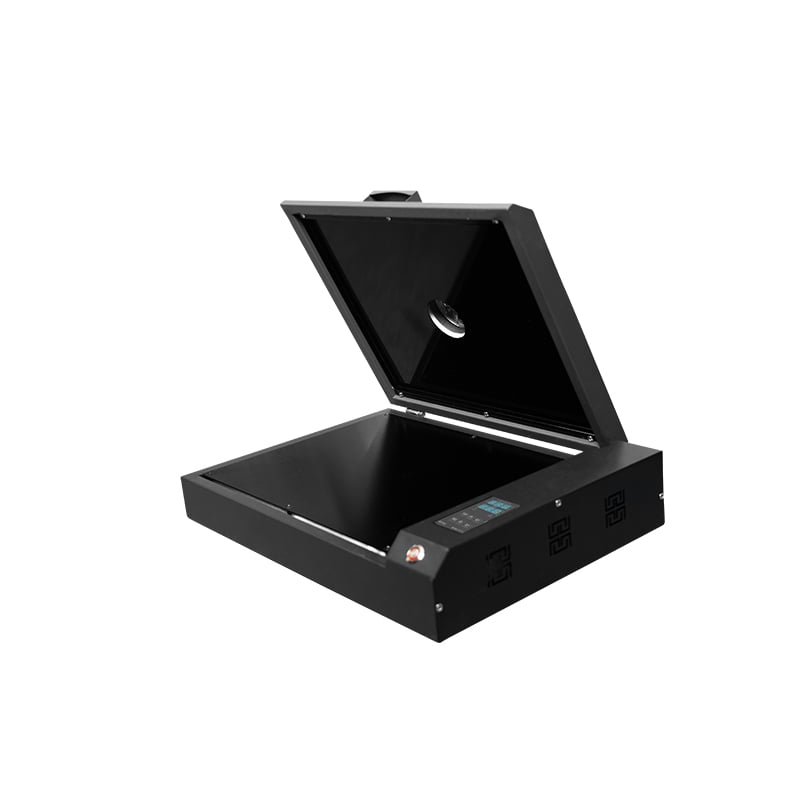
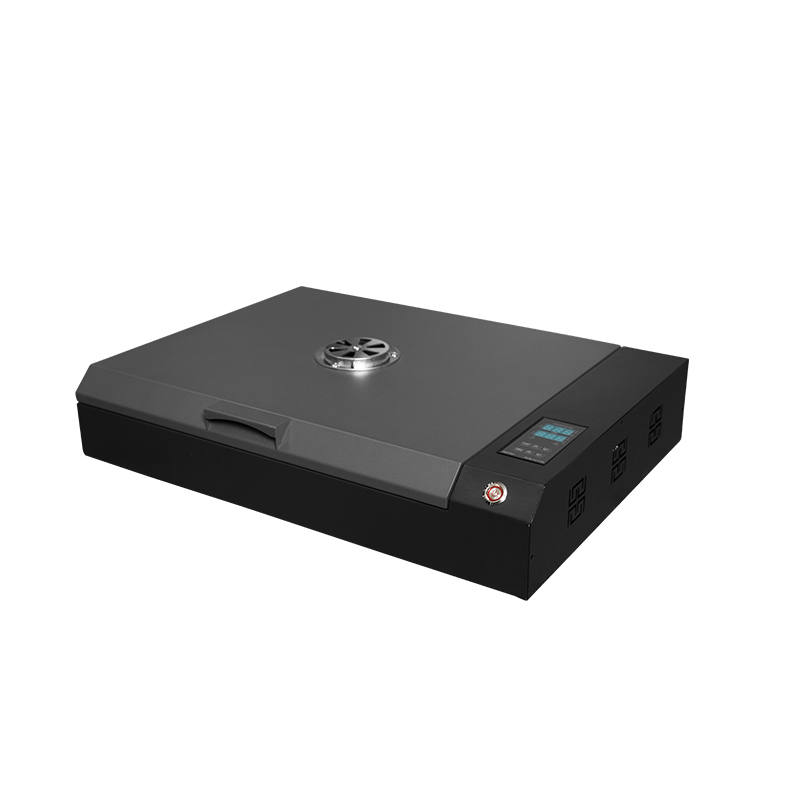
- Apply and cure powder. Cover the wet image with suitable hot-melt powder, remove excess, then cure according to the film and powder supplier’s instructions.
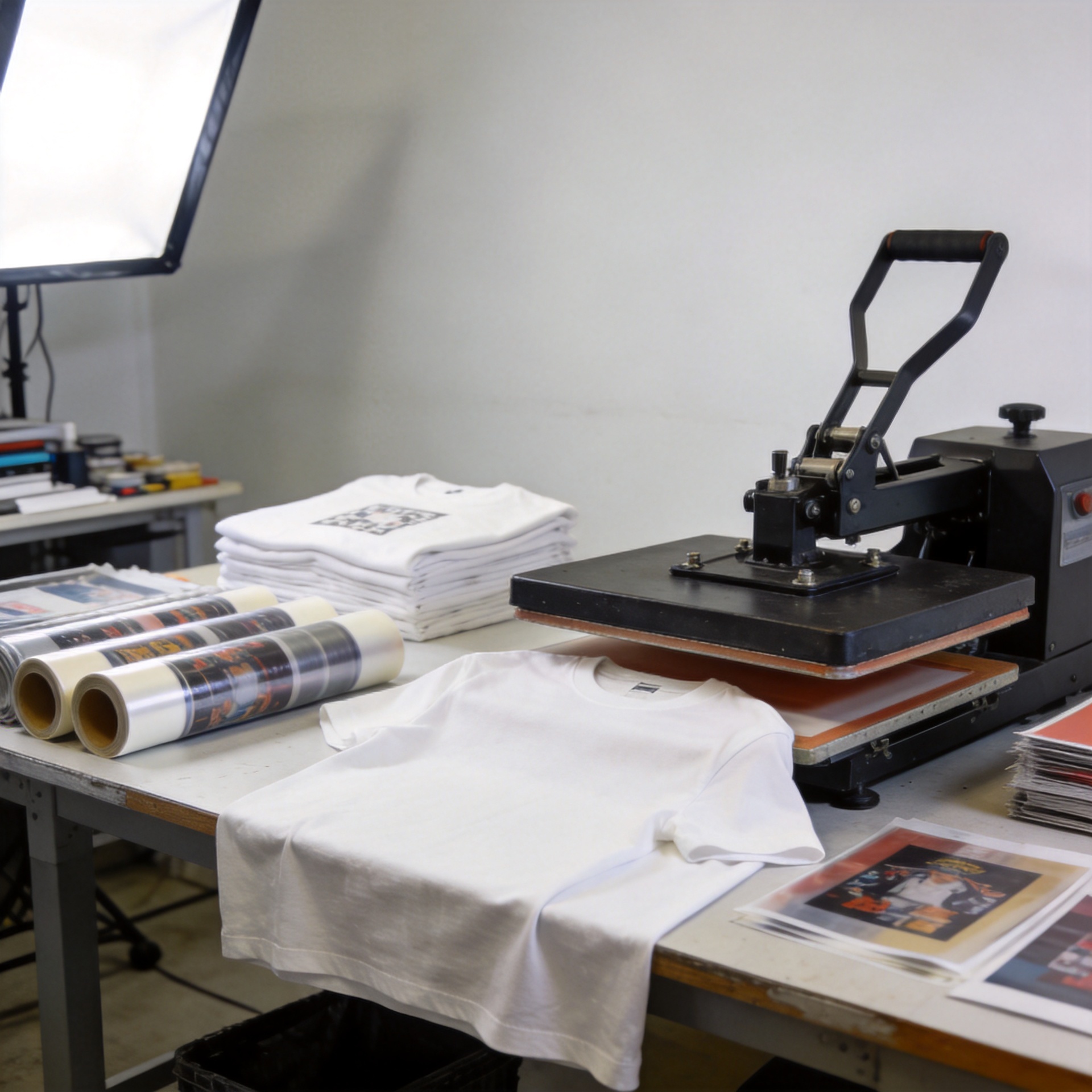
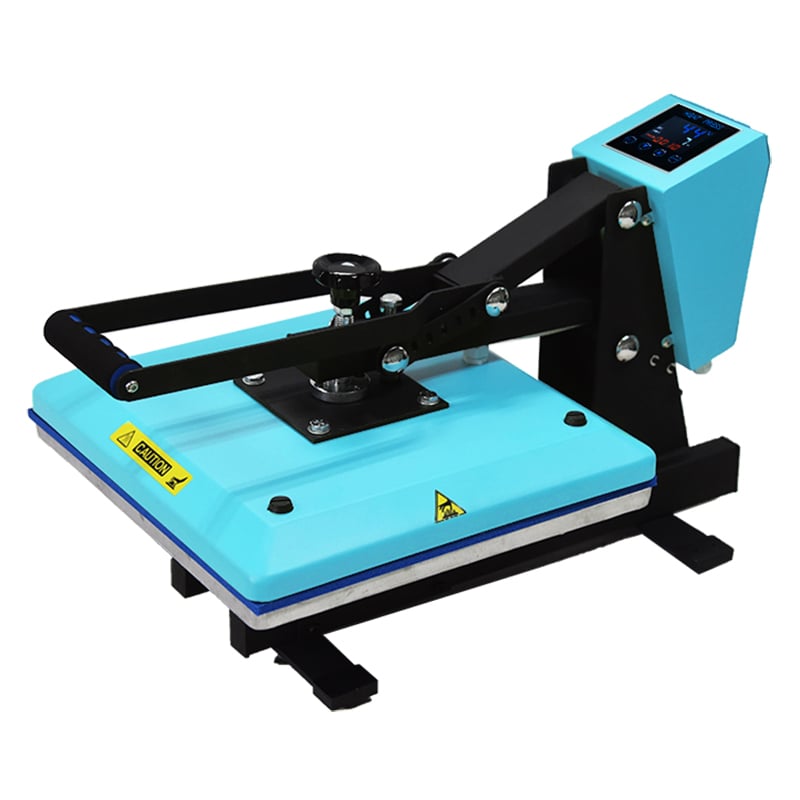
- Heat press the transfer. Place the cured transfer on the garment and follow the material specifications for pressure, temperature, dwell time, and peel method.
- Inspect the result. Check edge detail, adhesion, color appearance, stretch behavior, and wash-test performance before scaling production.
That sequence explains why dtf meaning printing includes more than the printer itself. Film, powder handling, curing, heat pressing, maintenance, and repeatable quality checks are all part of the operating system.
Why custom apparel shops consider DTF
For many decorators, dtf meaning printing becomes relevant when they need a flexible route for short runs and varied designs. A transfer can be prepared before a garment is pressed, which may help a shop organize orders by artwork and then apply them to garments later. This can be practical for team uniforms, promotional apparel, event merchandise, and on-demand designs.
DTF is also often evaluated for artwork with multiple colors or detailed elements. Still, results depend on calibrated equipment, well-managed white ink, compatible consumables, and a controlled cure-and-press process. A test print on the actual garment is more reliable than assuming every fabric will behave the same way.
DTF equipment: what a new shop actually needs
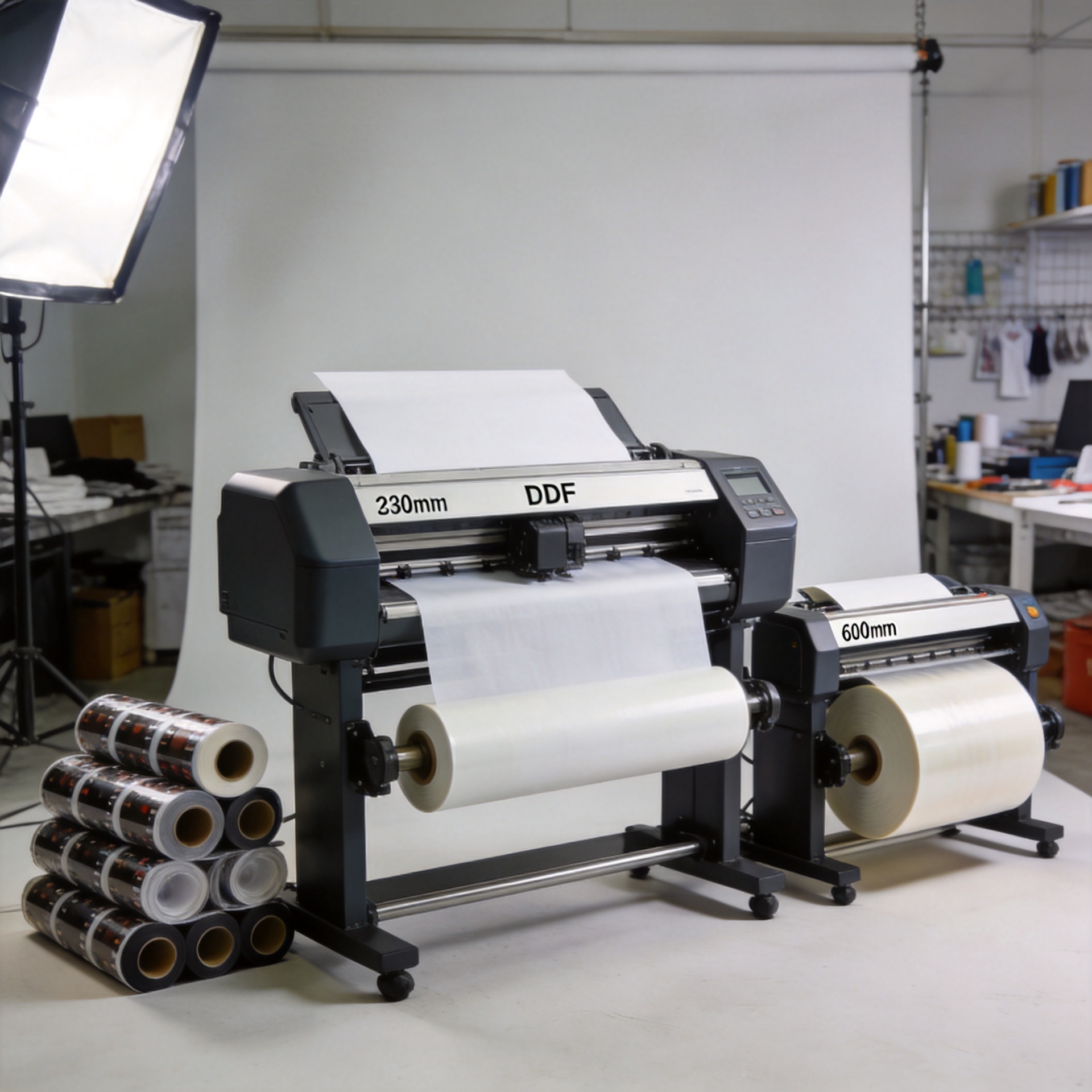
When buyers ask about dtf meaning printing, they sometimes focus only on print width. In reality, a workable setup includes a DTF printer, film, inks, adhesive powder, a method for powder application and curing, a heat press, RIP or production software, cleaning supplies, and a maintenance routine. Ventilation and powder-handling practices should also be planned according to local requirements and the consumable supplier’s safety documentation.
A compact system may suit shops validating demand or handling smaller graphics, while a wider system can support larger transfer output and a different production rhythm. For example, buyers comparing an A3-format option can review the Sunika SK-A3 DTF Printer F1080 330mm A3 Direct to Film Printer. Shops planning a wider production workflow can also examine the Sunika SK60 DTF Printer Dual I3200 600mm Tee Shirt Printer. Compare verified specifications, local service expectations, and the workflow around the machine—not just a headline speed claim.
Where DTF fits—and where it may not
Knowing dtf meaning printing helps you make a more useful method comparison. DTF can be a strong candidate when artwork is colorful, order quantities are modest or variable, and a shop needs flexibility across compatible fabrics. It can also help a business add transfer capability without building a screen for every design.
However, DTF is not automatically the preferred answer for every job. Screen printing may remain attractive for repeat, high-volume designs. Embroidery may better match a premium textured look. Direct-to-garment printing can be worth comparing for certain cotton-focused workflows. The right question is not “Which method wins?” but “Which method supports this order, this fabric, and this shop’s operating model?”
A beginner checklist before buying
Use this checklist to turn dtf meaning printing into a buying decision:
- List your typical garments, fabrics, artwork sizes, and order quantities.
- Request test transfers using designs similar to the work you sell.
- Ask how white-ink circulation, cleaning, and downtime are managed.
- Confirm the full consumable workflow: film, ink, powder, curing, pressing, and peel instructions.
- Plan daily checks and sample wash tests before promising a finish to customers.
- Assess available workspace, ventilation, operator training, and after-sales support.
For a new decorator, the most valuable outcome of understanding dtf meaning printing is a realistic operating plan. Start with a repeatable sample workflow, document settings by garment type, and improve only after results are consistent.
Final takeaway
DTF meaning printing is Direct to Film: print on coated film, add and cure adhesive powder, then heat press the transfer to apparel. The process can give custom apparel shops a flexible option for detailed, full-color decoration, but success comes from the whole workflow—not from one component alone. Evaluate equipment with your actual orders, test compatible materials, and build reliable maintenance and quality-control habits from day one.