EN


DTF Printing for Small Apparel Brands: A Setup Planning FAQ
Buying a small DTF printer is often the first major production decision for a growing apparel brand. The right plan is not simply “buy the smallest machine.” It is a practical match between the orders you expect, the room you can dedicate to production, the people who will run the workflow, and the maintenance routine you can sustain. This FAQ helps small brands make that decision before equipment arrives.
What should a small apparel brand plan before choosing a small DTF printer?
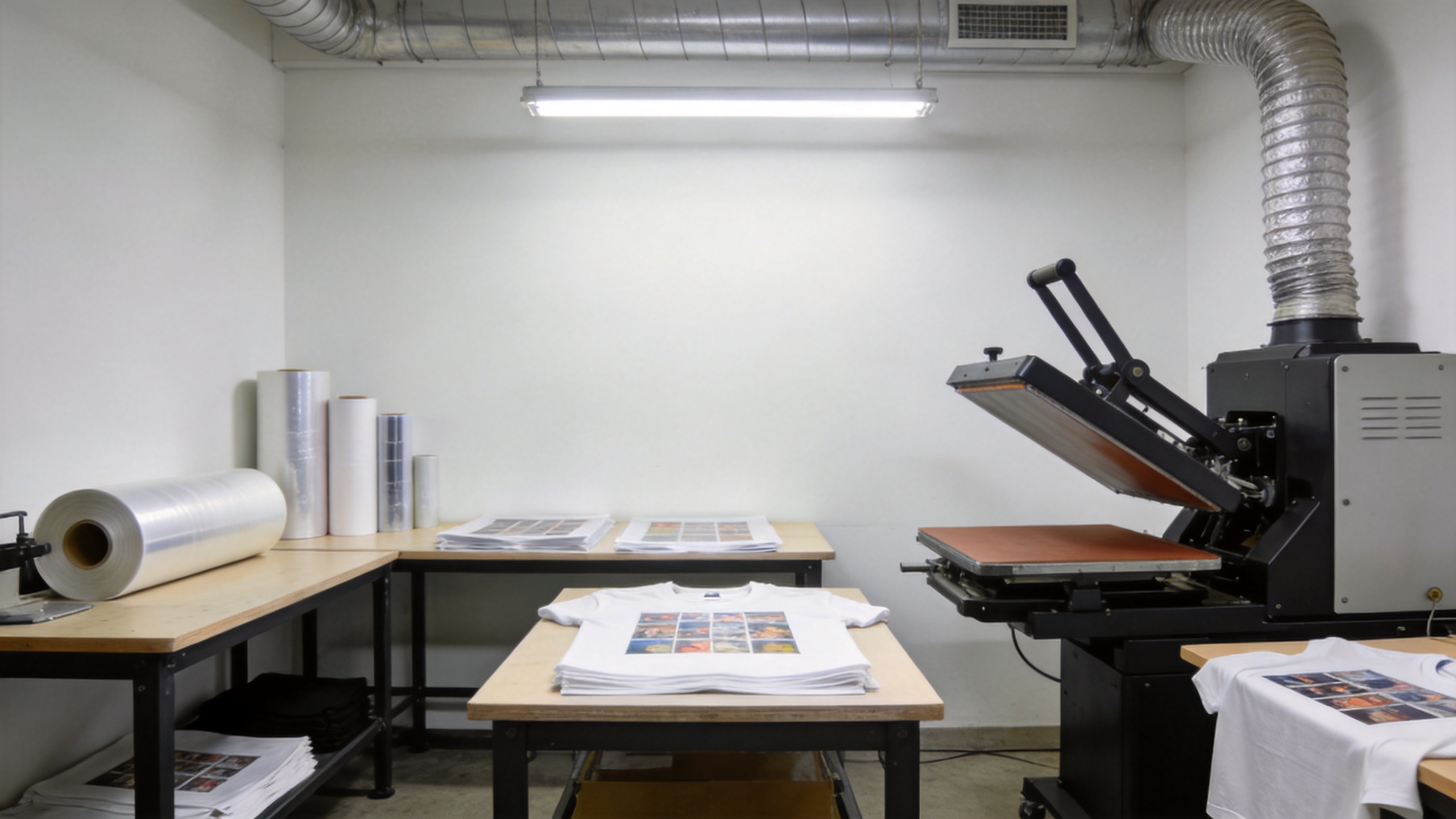
Start with the whole transfer workflow, not the printer alone. A small DTF printer sits within a chain that includes artwork preparation, film printing, powder application, curing, transfer storage, and heat pressing. Map where each task will happen and who owns it. That simple exercise reveals whether an entry-level footprint is truly enough or whether bottlenecks will appear at curing, finishing, or order sorting.
For early-stage brands, planning around weekly order patterns is more useful than chasing a headline production number. Ask: Are orders mostly one-off custom tees, small team runs, or repeating business t shirt printing jobs? Do customers need same-day turnaround? Will you print transfers for your own brand only, or also sell transfers to other local businesses? Your answers determine whether a compact workflow is sensible today and how much room you should reserve for growth.
Is a compact DTF setup enough for custom shirt orders?
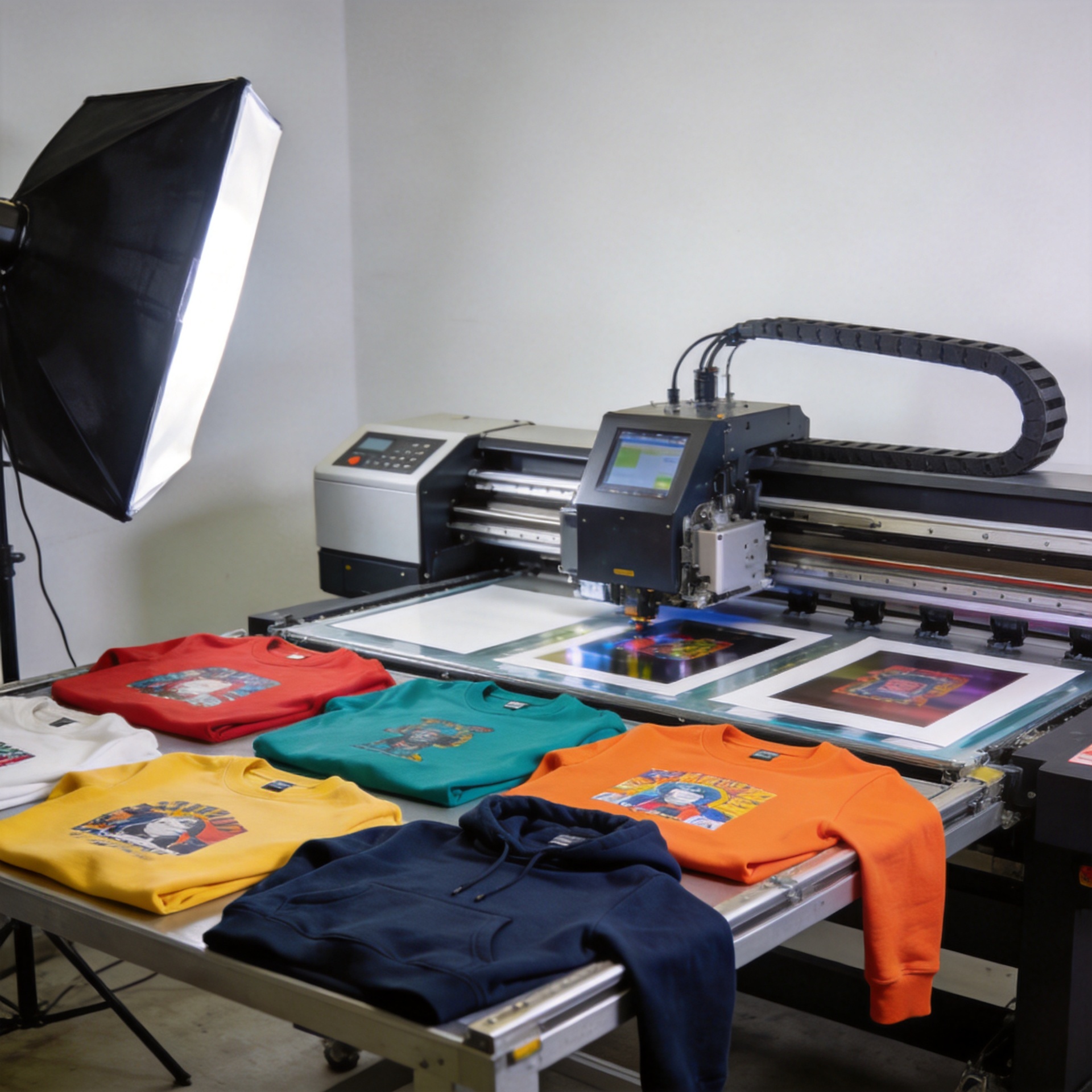
It can be, when the order mix is varied and the team values flexibility. DTF is well suited to colorful, short-run artwork because a design can move from digital file to film transfer without preparing a different screen for every color. A compact setup can therefore support samples, event shirts, creator merchandise, and many business t shirt printing requests.
However, “compact” does not mean “no planning required.” A small DTF printer may be the smallest part of the workflow. Film rolls, powders, finished transfers, blank garments, packing supplies, and a heat press all need clean, reachable locations. Keep incoming blanks and finished transfers separate so artwork is not damaged during busy fulfillment periods.
How much workspace and ventilation does DTF printing need?
Choose a clean production area with a stable work surface, enough clearance for loading film and performing routine service, and a logical path from printer to curing and pressing. Do not place the equipment where staff must carry warm transfers across a crowded packing bench. A short, uncluttered route reduces handling mistakes.
Ventilation deserves attention from the start. Curing and consumable handling can affect the comfort of the workspace, so follow the equipment supplier’s installation guidance and local workplace requirements. The goal is not a generic room-size claim; it is a setup where airflow, cleaning access, electrical connections, and material storage are planned before the first job. If the proposed room is shared with design, customer pickup, or office work, define clear production boundaries.
What maintenance questions should owners ask before purchasing?
Every small DTF printer needs a maintenance owner. In particular, white ink management is a real operating commitment because white pigments can settle. Before purchasing, ask the supplier to explain the routine for ink circulation or agitation, nozzle checks, cleaning, shutdowns, and periods when the shop is closed. Ask what the operator should record after a failed nozzle check and what consumables should be kept on hand.
Do not delegate this question to an imagined future employee. A small brand is better served by a simple checklist that a current team member can perform consistently. Schedule the routine into the production day, then estimate labor using that real workflow. A machine that looks economical but is ignored between orders can create waste, delays, and frustrated customers.
Should a small brand start with A3 or plan for a wider format?
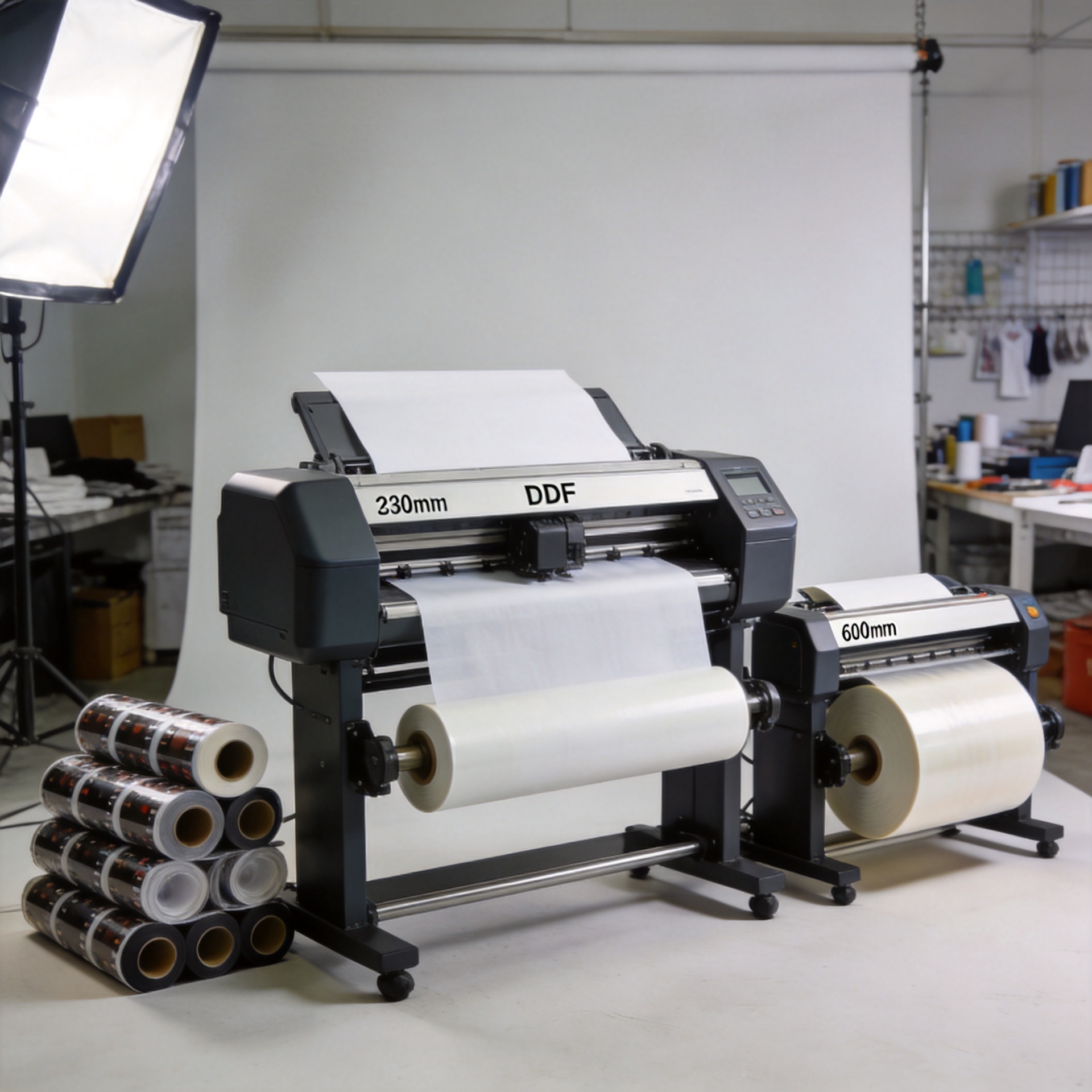
The choice is about job shape, not status. An A3-format option may fit brands that mainly make small graphics, chest prints, samples, and controlled short runs. For example, the Sunika SK-A3 DTF Printer F1080 330mm A3 Direct to Film Printer is a matched product option to discuss when your workflow favors a compact format.
A wider setup can make more sense when gang sheets, larger art, or repeated larger orders dominate the schedule. The Sunika SK60 DTF Printer Dual I3200 600mm Tee Shirt Printer is another matched option for brands that need to assess a larger-format workflow. The product names alone do not prove a fit: confirm supported materials, operating requirements, training, and after-sales terms with the supplier before deciding.
How should a brand budget a first DTF workflow?
Budget in layers. Include equipment, installation preparation, film, inks, powder, cleaning supplies, curing and pressing needs, packaging, operator training, and an allowance for test prints. Then compare that total with the actual margin and turnaround expectations of your orders. This is more honest than comparing printer prices alone.
For business t shirt printing, also decide which orders should remain outsourced while the team learns. Keeping overflow or unusually urgent jobs with a trusted production partner can protect customer deadlines while the in-house workflow stabilizes. A sensible first setup allows the brand to learn without making every customer order a high-stakes test.
Final checklist for a small DTF printer plan
- Define the order types, weekly peaks, and turnaround promises you want to serve.
- Lay out printer, curing, pressing, storage, packing, and cleaning zones before purchase.
- Confirm ventilation, electrical, safety, and supplier installation requirements for the actual room.
- Assign daily maintenance ownership, especially for white-ink routines and nozzle checks.
- Compare compact and wider formats against the artwork sizes and gang-sheet patterns you truly sell.
- Request a supplier discussion on training, support, consumables, and realistic operating workflow.
A small DTF printer can give a small apparel brand more control over sampling and custom production. Success comes from treating it as a repeatable workflow—not as a standalone box. Plan the room, people, maintenance, and order mix first, then choose the configuration that fits the work you intend to do.