EN


How to Evaluate a UV DTF Sticker Printer Supplier
Choosing a uv sticker printer supplier is a business decision, not simply a comparison of machine prices. For distributors, print-service operators, and growing customization businesses, the useful question is whether a supplier can help you produce repeatable UV DTF transfers after the first demo—not just deliver a bright sample on day one. A disciplined evaluation should examine equipment capability, consumable compatibility, sample evidence, and service responsiveness together.
This guide uses a practical supplier scorecard for buyers who need a uv sticker printer for hard-surface decoration applications such as glass, phone cases, acrylic, metal, and packaging items. It is designed for a decision-stage purchase: you should be able to use the questions below before paying a deposit or placing a repeat order.
Start With the Jobs Your UV Sticker Printer Must Handle
Before contacting suppliers, define a short set of real production jobs. Include your typical substrate, artwork size, expected order volume, finish requirements, and the environments where the final decal will be used. A uv sticker printer that looks productive on a small promotional graphic may behave differently when running dense color, fine text, white ink, or long batches.
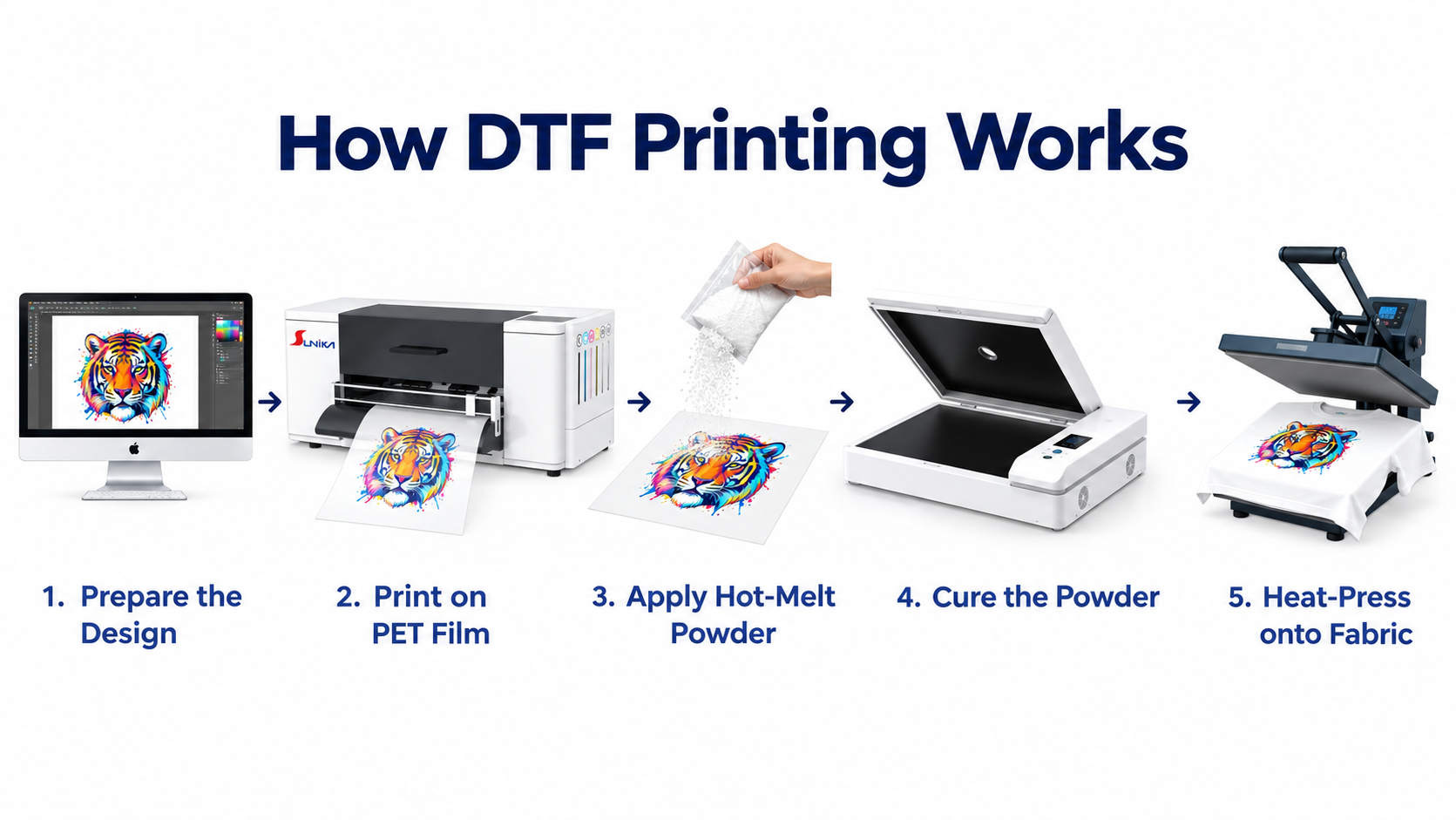
Ask each supplier to explain the proposed workflow from file preparation through printing, curing, lamination, transfer, and final inspection. The aim is not to force one workflow; it is to find out whether the supplier understands the weak points that affect your actual jobs. Clear answers about setup, cleaning, maintenance intervals, and operator checks are generally more valuable than broad claims about “high quality.”
Evaluate Equipment Capability Beyond the Headline Specification
Compare the complete configuration, not just print width or a named printhead. Request a written configuration list covering the printhead arrangement, white-ink circulation approach, UV curing setup, RIP workflow, included software, power requirements, and standard spare parts. Then ask what changes when your production shifts from trial orders to daily output.
A capable supplier should also distinguish between a demonstrated configuration and optional accessories. For example, a machine may support a particular production method only when paired with a specified laminating workflow or a recommended consumable set. Documenting that distinction prevents a buyer from comparing unlike quotations.
Where relevant, ask the supplier to show a live print check: nozzle condition before and after the run, fine-line readability, white-layer consistency, and registration across repeated sheets. These checks make the uv sticker printer evaluation more concrete than a single finished photo.
Make Ink, Film, and Process Compatibility a Test Requirement
UV DTF output depends on a system of printer, RIP settings, ink chemistry, film, adhesive layer, curing conditions, and application method. Do not assume that separately sourced materials will deliver the same result. Ask suppliers which film and ink combinations they have validated for the quoted setup, how they record working settings, and what they recommend when a buyer must source consumables locally.
Request samples on your intended hard surfaces rather than generic panels. A useful sample pack includes smooth and textured surfaces where relevant, light and dark artwork, fine text, solid color, and a transfer applied by a defined method. Record the film batch, ink set, artwork file, curing condition, and application surface. This creates a baseline you can repeat when materials change.
For a uv sticker printer supplier, the strongest proof is not a promise of universal adhesion. It is a transparent explanation of which substrates have been tested, which preparation steps matter, and where additional buyer validation is needed.
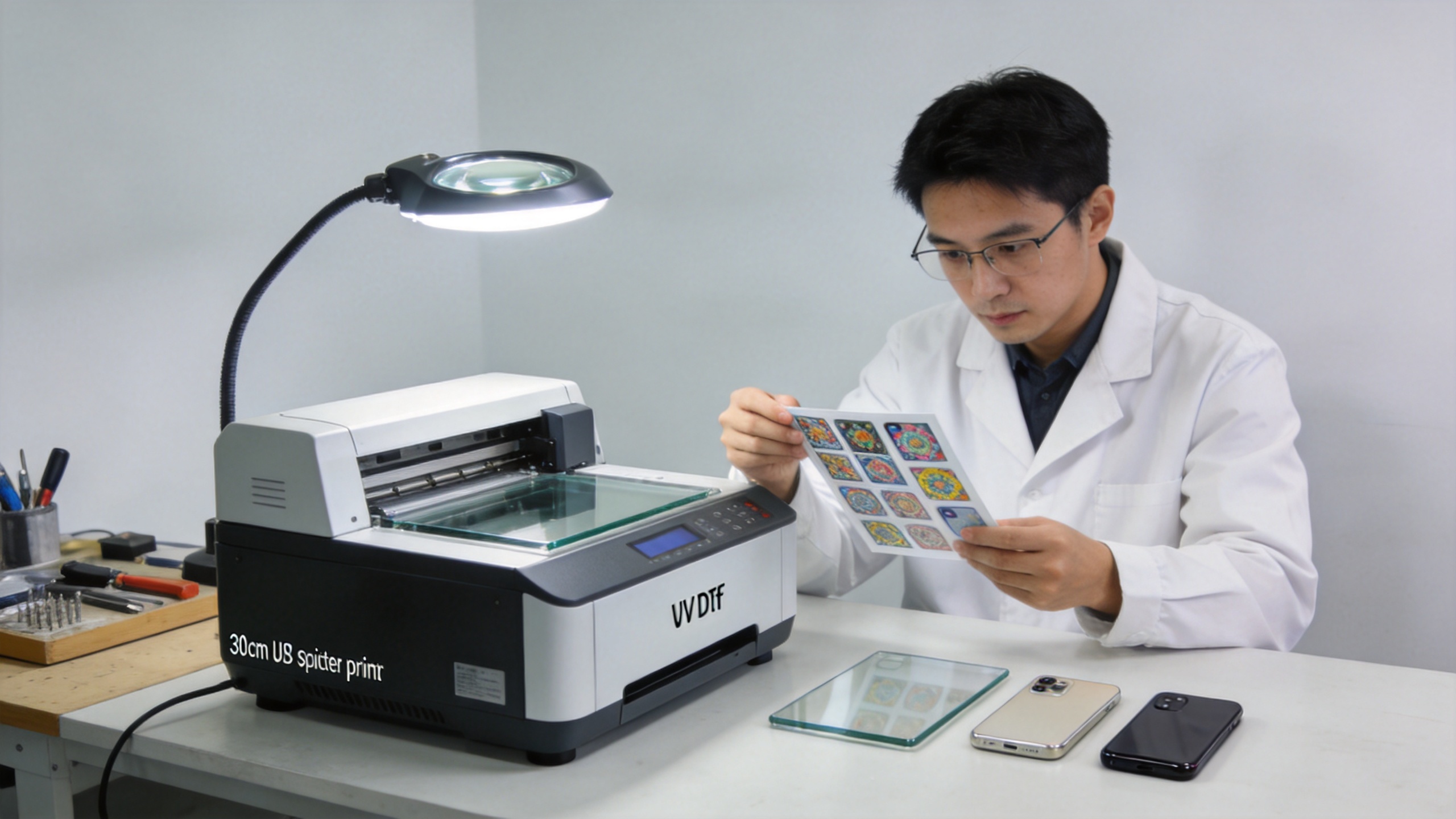
Use a Supplier Sample Scorecard Before You Compare Price
Ask every shortlisted supplier to complete the same sample brief. Score the result against criteria that matter to your customers:
- Image quality: sharp text, smooth gradients, controlled white ink, and repeatable color.
- Transfer quality: stable release from the film and a clean application process.
- Finish: acceptable gloss, edge appearance, and feel for the target product.
- Practical durability: an adhesion check suitable for the substrate and intended use.
- Documentation: named materials, settings, and test conditions rather than an untraceable sample.
Do not turn a short sample into an unsupported lifetime claim. Instead, use it as evidence of how well the supplier controls the workflow. If the sample varies, ask what was changed and whether the corrective action can be written into an operating procedure.
Assess Service Response as Part of Machine Value
Downtime can cost more than a modest difference in purchase price. Ask who provides first-line technical support, what communication channels are available across time zones, and how the team handles issues involving print quality, software, consumables, or mechanical parts. Request realistic response expectations rather than guarantees that cannot be verified.
Also ask for a spare-parts list, recommended startup inventory, remote-installation scope, operator training materials, and the escalation route for an unresolved issue. A supplier who can identify the information needed for remote diagnosis—photos, nozzle checks, RIP settings, video, and material details—usually provides a more workable support process.
Compare Commercial Terms With a Weighted Decision Matrix
Use a consistent scorecard instead of selecting the lowest quoted uv sticker printer. You might weight sample performance and material compatibility most heavily, then service capability, configuration clarity, delivery terms, training, parts availability, and total landed cost. Add a separate risk note for any claim that was not demonstrated or documented.
| Evaluation area | Evidence to request | Decision question |
|---|---|---|
| Configuration | Written bill of materials and workflow | Is the quoted setup complete for our jobs? |
| Samples | Named materials and recorded test conditions | Can we reproduce the output? |
| Consumables | Compatibility guidance and sourcing plan | Can we maintain stable production? |
| Support | Training scope, response process, parts plan | Can we recover from downtime? |
| Commercial fit | Clear quotation, delivery, warranty terms | Is the full cost and risk understood? |
Questions to Ask During Each UV Sticker Printer Supplier Meeting
Use the same questions in every uv sticker printer supplier meeting. Ask which uv sticker printer configuration is being quoted, which uv sticker printer workflow created the sample, and which uv sticker printer consumables are included in the recommended process. Ask whether the uv sticker printer settings can be documented for your artwork and substrates.
For technical review, ask how the uv sticker printer is checked before shipment, how the uv sticker printer is installed, and how operators should maintain the uv sticker printer during a normal week. A supplier should also explain what evidence is needed to diagnose a uv sticker printer output issue remotely.
For commercial review, ask which parts are normally held for the uv sticker printer, what training is included with the uv sticker printer, and whether the supplier can support a controlled uv sticker printer pilot. These answers help distinguish a bare uv sticker printer quotation from a workable production partnership.
Short Acceptance Checklist
- The uv sticker printer sample matches our target substrates.
- The uv sticker printer configuration is documented in writing.
- The uv sticker printer film and ink workflow is identified.
- The uv sticker printer support route and spare-parts plan are clear.
- The uv sticker printer pilot has measurable acceptance criteria.
Move From Evaluation to a Controlled Pilot
After choosing a candidate, begin with a controlled pilot rather than immediately treating the machine as a fully proven production asset. Train operators on daily checks, keep approved files and material records, and test the jobs that drove the purchase. The pilot should confirm output quality, material stability, workflow speed, and the supplier’s actual response when questions arise.
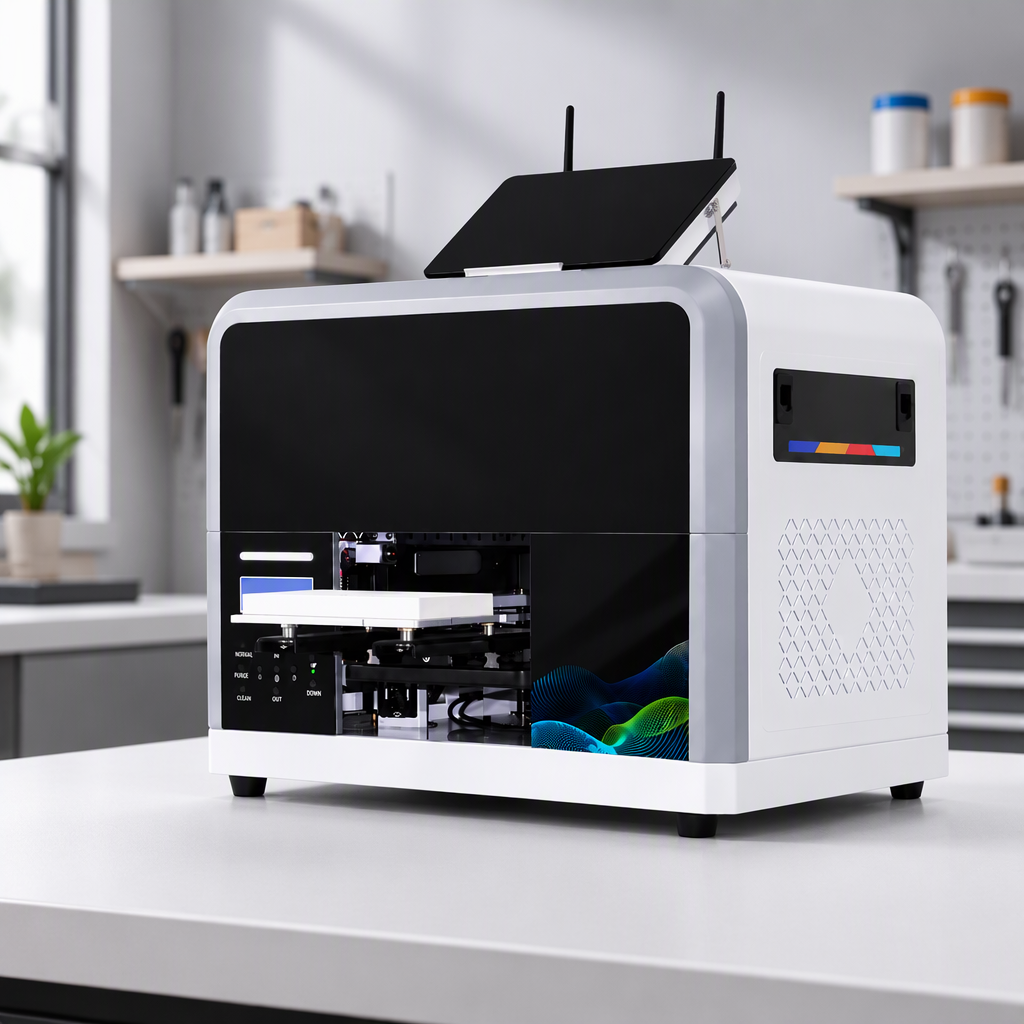
For buyers seeking a 30 cm configuration, the SK-U301 30cm UV DTF printer with Epson I3200 printhead can serve as a product-page reference when comparing available configurations. Confirm the final specification, consumable workflow, and suitability for your own application directly with the supplier before purchase.
A sound uv sticker printer decision comes from evidence: a comparable configuration, reproducible samples, explicit consumable compatibility, and a support process you can test. When these items are documented, price becomes one component of a clearer total-value comparison.