EN


How to Choose a UV Flatbed Printer for Acrylic Products
Acrylic signs, display pieces, branded panels, photo blocks, and customized gifts can look straightforward until production begins. A print that appears sharp on one acrylic blank can show weak white opacity, edge banding, poor adhesion, or inconsistent registration on the next. That is why selecting an acrylic printer machine should start with the work you intend to produce—not with a headline resolution or the fastest number on a specification sheet.
As a UV printing equipment specialist, I would start with one practical question: what must be repeatable after the first sample is approved? For acrylic work, the answer is usually a combination of blank size, material thickness, white-ink layering, color consistency, and the pace at which jobs arrive. The right acrylic printer machine is the one that fits that entire workflow with room for controlled testing.
Begin with the acrylic products you actually plan to sell
List your intended products before comparing machines. Small countertop signs and badge blanks create a different requirement from large wall panels, illuminated graphics, or thick display blocks. Record the maximum width and length of each blank, its usual thickness, whether it is cast or extruded acrylic, and whether it is clear, colored, frosted, mirrored, or opaque.
The print bed must accommodate the largest finished blank plus safe handling space. A larger bed is not automatically the better choice for every business; it can add footprint and capital cost while making small, frequent jobs less convenient. But choosing a bed that only just fits today’s work can become restrictive when a customer requests a larger sign or when you want to place multiple blanks in a jig.
Also check usable object height and how consistently the table holds material flat. Acrylic that curls, lifts, or sits unevenly can affect image sharpness and increase the chance of a head strike. For repeat orders, a simple locating jig is often as important as the nominal table size because it makes placement repeatable.
Evaluate white ink and layer control for clear or dark acrylic
For opaque white acrylic, CMYK may be enough for many graphics. Clear, dark, or colored acrylic is different. The appearance often depends on whether white is printed behind the color, in front of it, or in selected areas only. A capable acrylic printer machine should let the operator plan and preview those layers rather than treating white ink as a single on/off feature.
Ask for samples that match your intended viewing condition. A graphic viewed through the reverse side of clear acrylic may need mirrored artwork and a different layer sequence from a front-printed sign. Likewise, a daylight display can reveal opacity issues that are less obvious indoors. Higher resolution can help with fine text and detail, but it does not automatically solve a poorly planned white underbase.
When comparing demonstrations, request the same artwork on the same type and thickness of acrylic you will use. This is a more useful comparison than judging unrelated promotional samples.
Make adhesion, curing, and surface preparation part of the purchase decision
UV ink cures on the surface under UV light, so print durability is tied to more than artwork. Surface cleanliness, protective-film removal, static control, ink chemistry, lamp condition, print speed, and the distance between the curing system and the material all affect the result. Acrylic is commonly printed with UV technology, but dust, fingerprints, protective coatings, and variation between blank batches can still change adhesion.
Build a sample-approval routine before committing to a production setup. Use the exact blank, cleaning method, print mode, and layer sequence that you expect to use in regular work. After the print has had the appropriate rest time, check it with a suitable tape-pull, scratch, wipe, and handling test for the intended application. The goal is not to claim that one printer works on every acrylic sheet; it is to prove a repeatable process for your own product range.
Ask how the supplier supports print profiles, maintenance, and troubleshooting. A printer with a sensible maintenance routine and clear technical support may protect more production time than a slightly faster machine whose workflow is difficult to stabilize.
Match capacity to production rhythm, not just top speed
Speed matters, but real throughput also includes loading, jigging, RIP preparation, nozzle checks, cleaning, curing, and reprints. If your orders are mainly one-off custom pieces, reliable setup changes and accurate placement may matter more than maximum carriage speed. If you run repeated signage or promotional panels, the ability to gang multiple blanks and repeat registration becomes more valuable.
Think through the next stage of your business as well. A small-format machine may be ideal for personalized gifts and compact retail displays. A wider UV flatbed can make sense when work regularly includes larger signs, multi-up layouts, or several sizes in a single shift. The correct choice is conditional: buy enough capacity for your normal demand and foreseeable growth, but do not pay for unused scale at the expense of workflow simplicity.
Check the full production system around the printer
A printer is only one part of an acrylic workflow. Review the RIP software, color-management process, available maintenance guidance, consumables, ventilation needs, electrical requirements, and training plan. Ask what happens after a nozzle check reveals a problem, how print-head maintenance is handled, and whether replacement parts and technical assistance are available for your market.
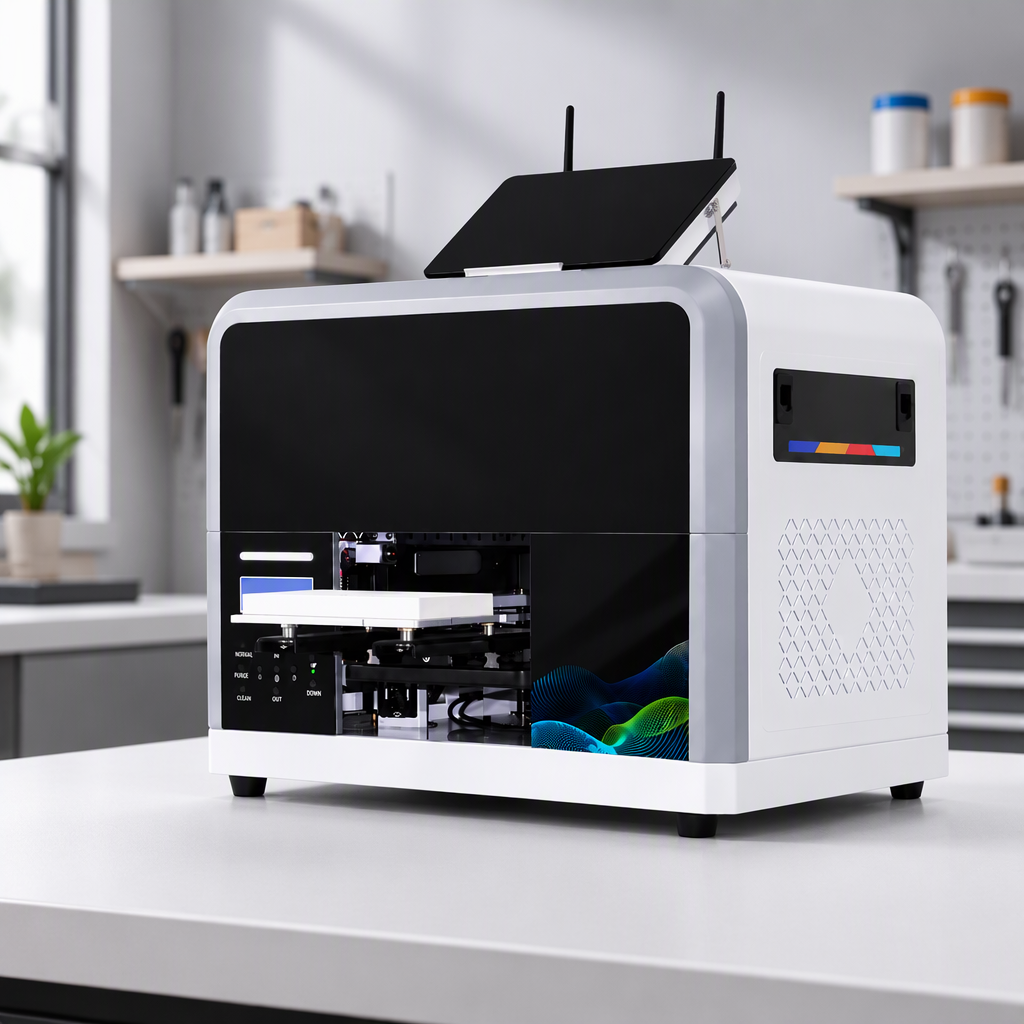
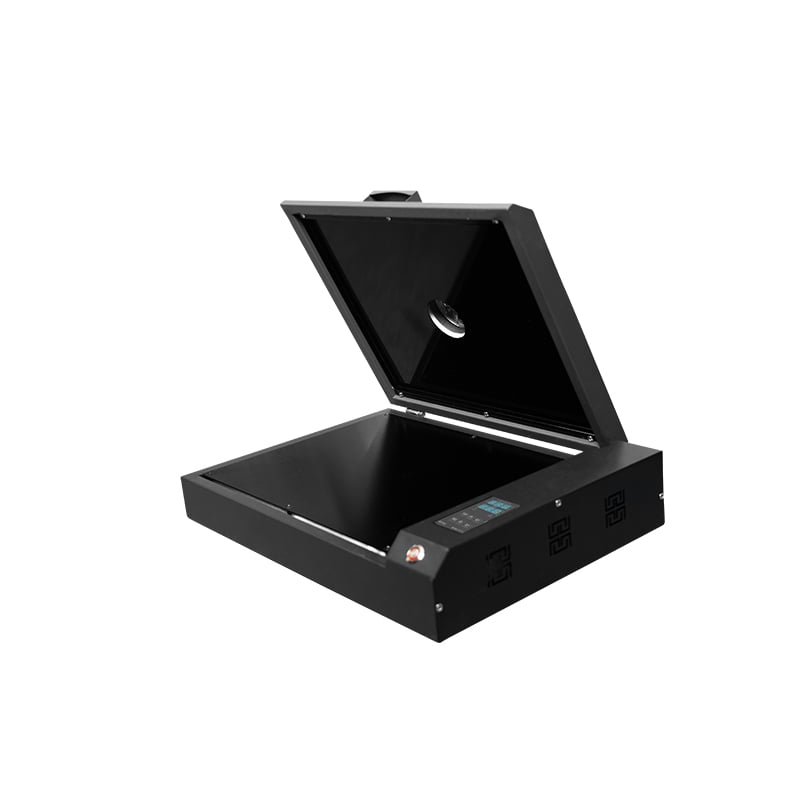
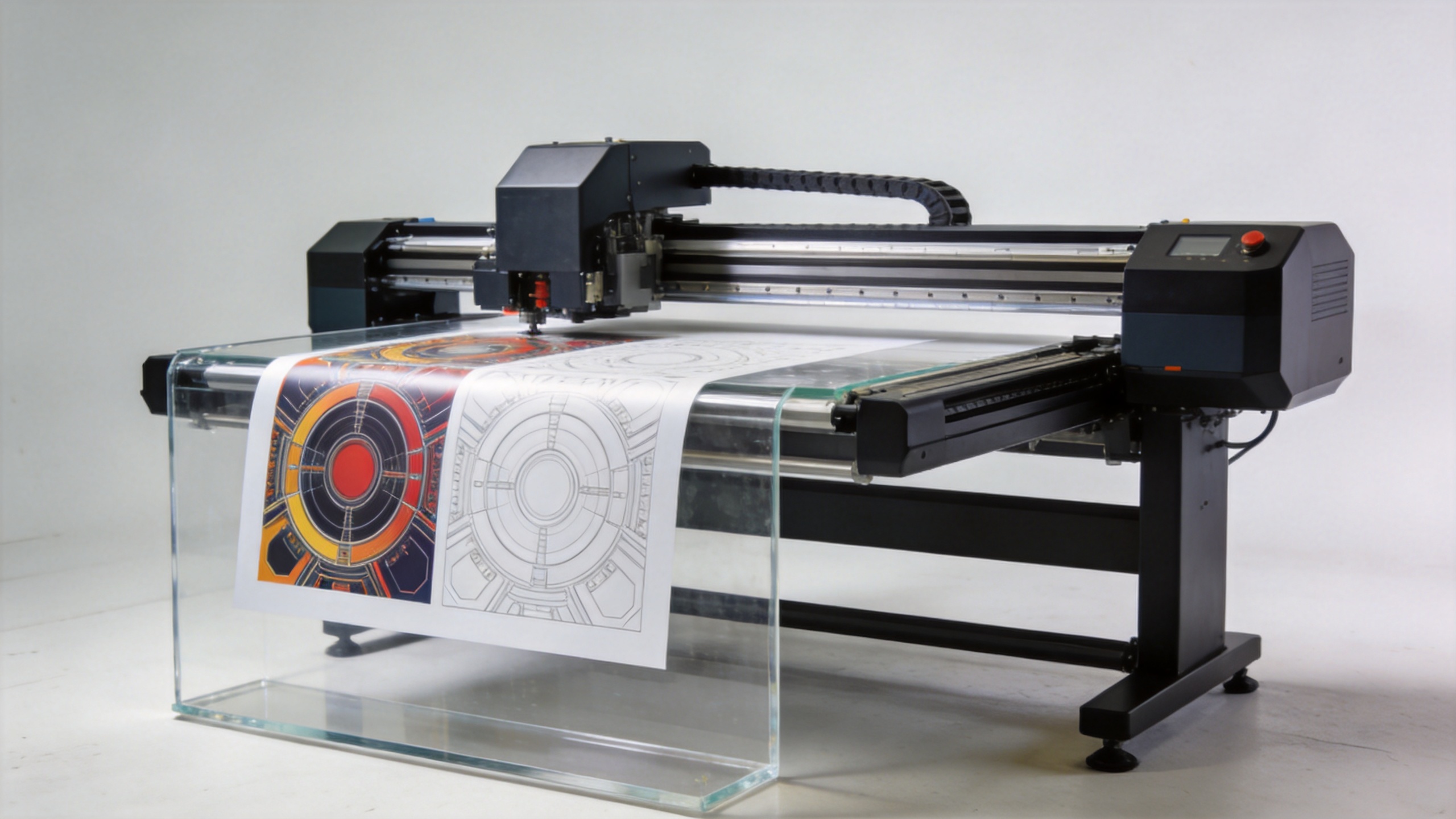
For buyers who want a practical starting point for mid-size acrylic work, review the available 6090 9060 UV Flatbed Printer alongside your own blank dimensions and test files. The product page can support an initial discussion, but the final decision should still be validated with your materials, artwork, and expected order mix.
A practical UV flatbed printer checklist for acrylic
- Bed size: Does it fit your largest acrylic panel and allow multi-up jigs for repeat work?
- Object clearance: Can it handle your thickest acrylic pieces while maintaining stable print distance?
- White-ink workflow: Can you control underbase, overprint, and reverse-print layers for clear or dark blanks?
- Registration: Can the workflow reproduce fine text, borders, and multi-layer artwork reliably?
- Adhesion validation: Can you test your actual blank batches, surface preparation, and cure settings before production?
- Capacity: Does practical daily throughput match your loading, jigging, and finishing rhythm?
- Support: Are training, maintenance guidance, consumables, and parts aligned with where you operate?
Compare acrylic printer machine quotes with the same test brief
To compare an acrylic printer machine fairly, give every supplier the same brief: the same files, blank sizes, thicknesses, finish, target viewing direction, and inspection criteria. One acrylic printer machine may look impressive in a generic demo yet be a poor fit for reverse-printed panels or small repeat runs.
| Question to ask | Why it matters for an acrylic printer machine |
|---|---|
| What is the usable print area? | An acrylic printer machine needs working margin for your largest blank and production jig. |
| What object height is practical? | The acrylic printer machine must suit the thickest flat product you intend to print. |
| How is white ink configured? | Ask the acrylic printer machine supplier to show the intended white-underbase sequence. |
| Can it reproduce reverse printing? | Clear panels often make this acrylic printer machine workflow essential. |
| How are profiles and RIP files supported? | A stable acrylic printer machine workflow depends on repeatable file preparation. |
| What are the daily maintenance steps? | Routine care keeps an acrylic printer machine ready for customer deadlines. |
| Can you test my actual blanks? | Testing tells you whether the acrylic printer machine and material combination is viable. |
| What service is available in my market? | Support affects the long-term value of an acrylic printer machine after installation. |
Use that brief to compare each acrylic printer machine on results rather than promises. If two options produce acceptable samples, favor the acrylic printer machine with the clearer setup, maintenance, and support path for your team.
Frequently asked questions about an acrylic printer machine
Can it print on clear acrylic?
Yes, but test the required layer order, including any white ink used to support color visibility.
What size should I buy?
Choose around your largest routine blank and the number of pieces you need to position per run, rather than an occasional oversized request.
Why test adhesion before ordering?
Testing confirms that the equipment, ink, cure settings, surface preparation, and your actual acrylic batch work as a repeatable system.
Should speed be the main decision factor?
Not by itself. Prioritize a complete workflow that delivers stable, inspectable output at the pace your orders require.
Choose based on a validated sample workflow
A suitable acrylic printer machine is not defined by a single specification. Select the UV flatbed printer that can repeatedly print your preferred acrylic blanks at the required size, with appropriate white-ink layers, acceptable adhesion, and a production rhythm your team can maintain. Start with a short list of real products, send representative artwork and blanks for testing, then compare the complete workflow from loading through final inspection.
That approach gives you a stronger buying decision than a generic feature comparison—and it creates the process discipline needed to turn attractive acrylic samples into reliable commercial output.