EN


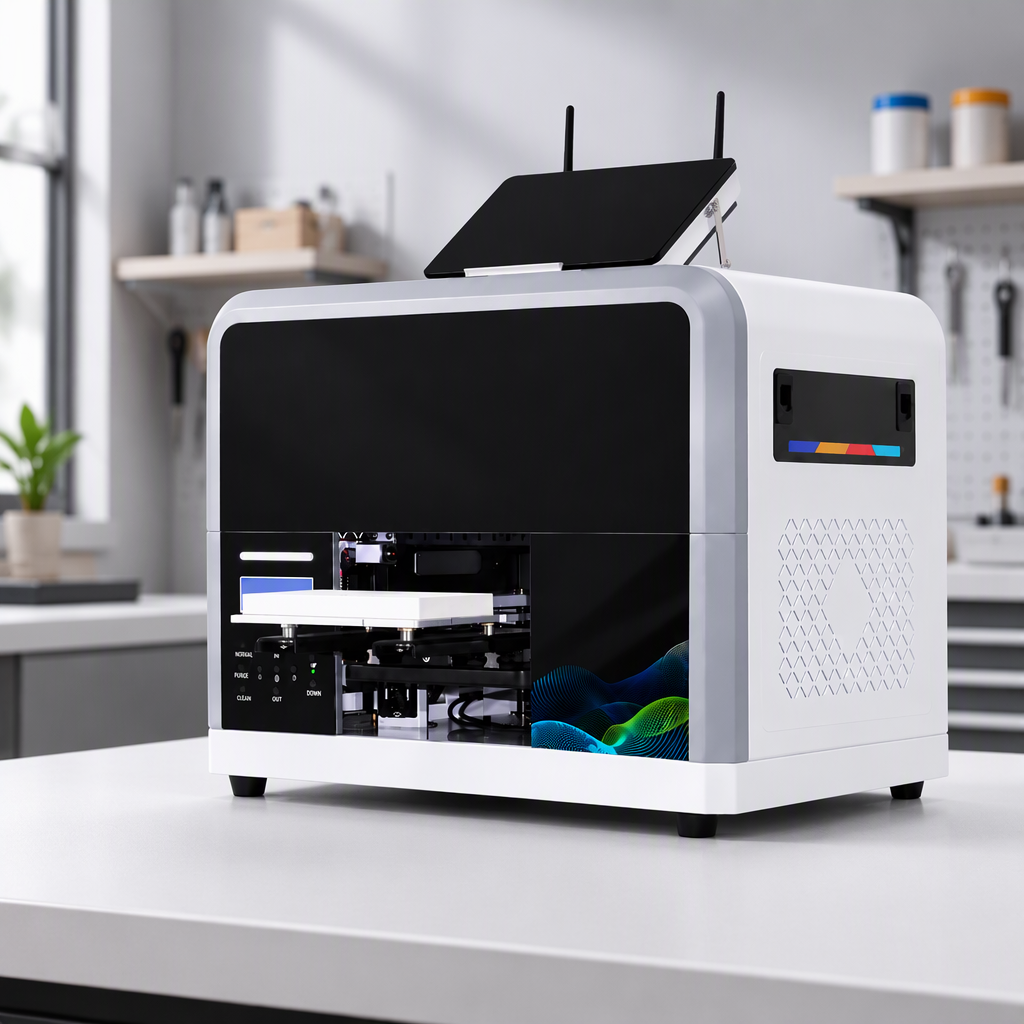
Meet the SUNIKA A5 UV Flatbed Printer: Compact Printing for Personalized Products
2026/11/19
When starting a custom apparel business, choosing the right printing method is an important decision. DTF and sublimation printing are two popular options, but they work differently and are suited to different materials and applications.
So, which one should you choose? Let's compare their processes, material compatibility, and practical uses.
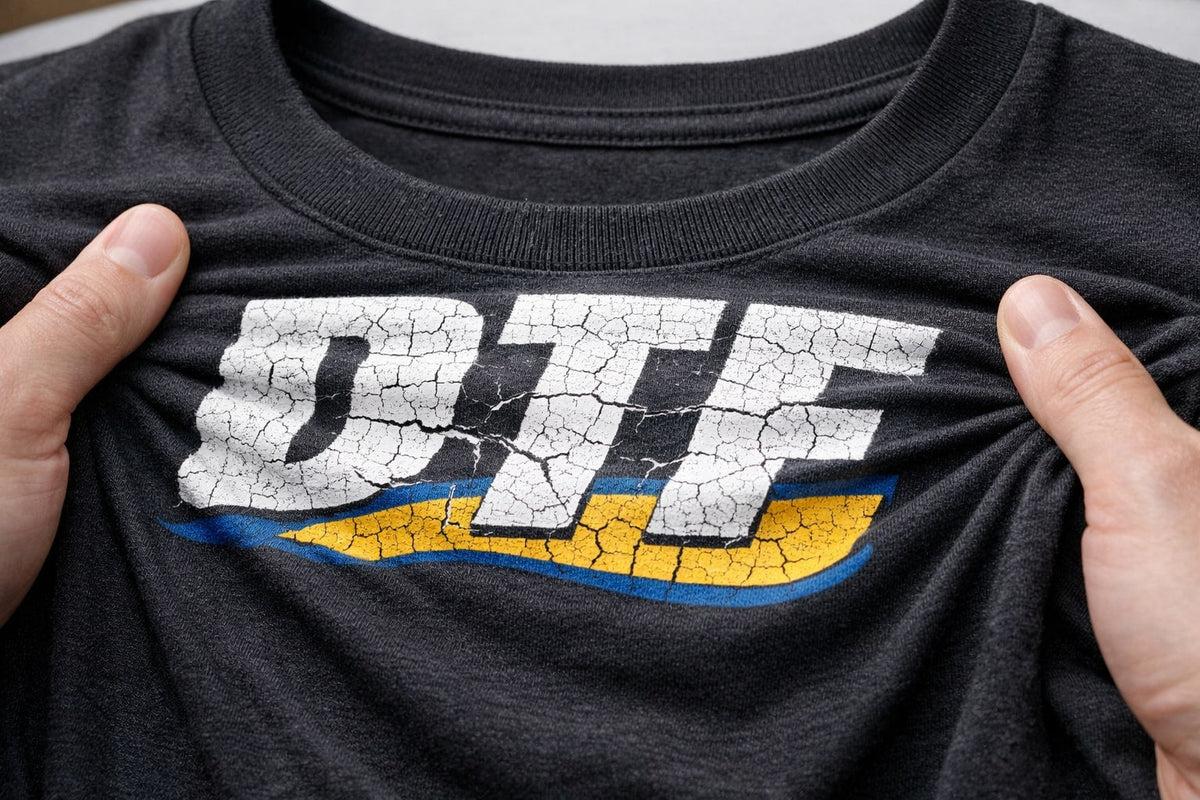
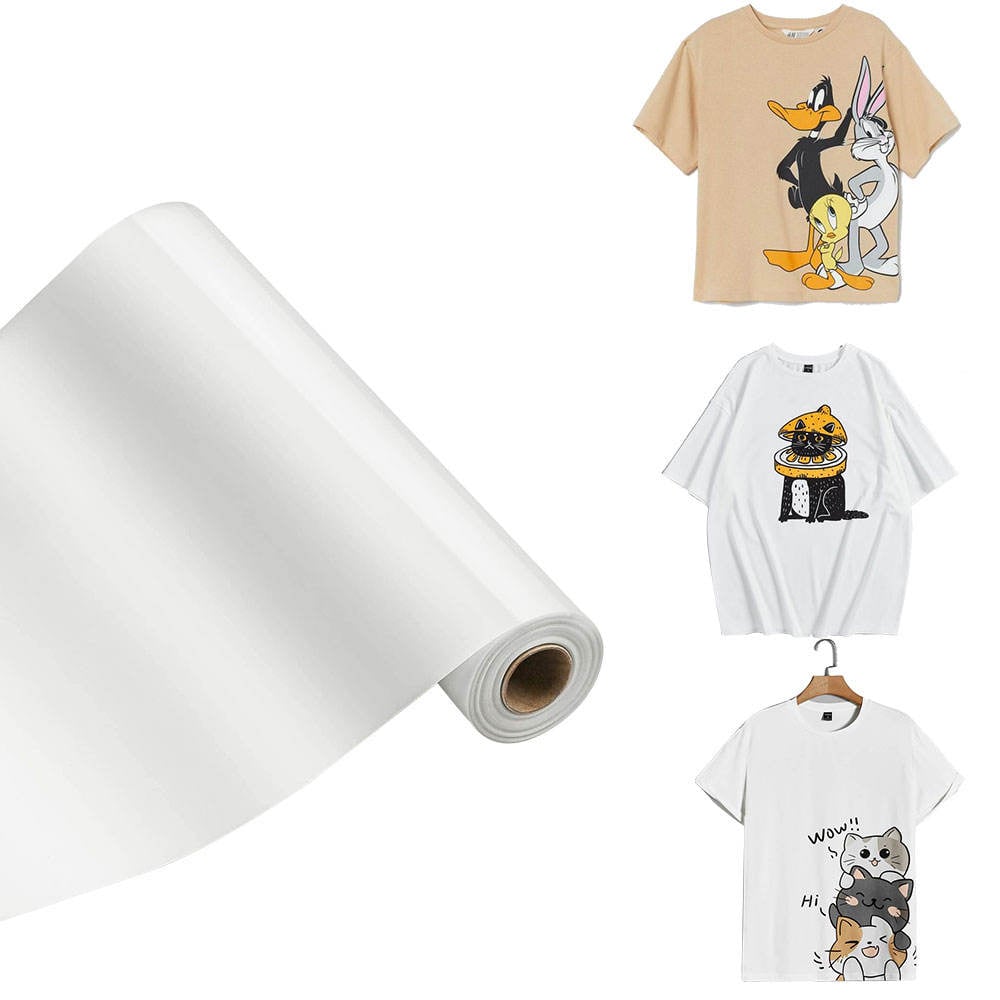
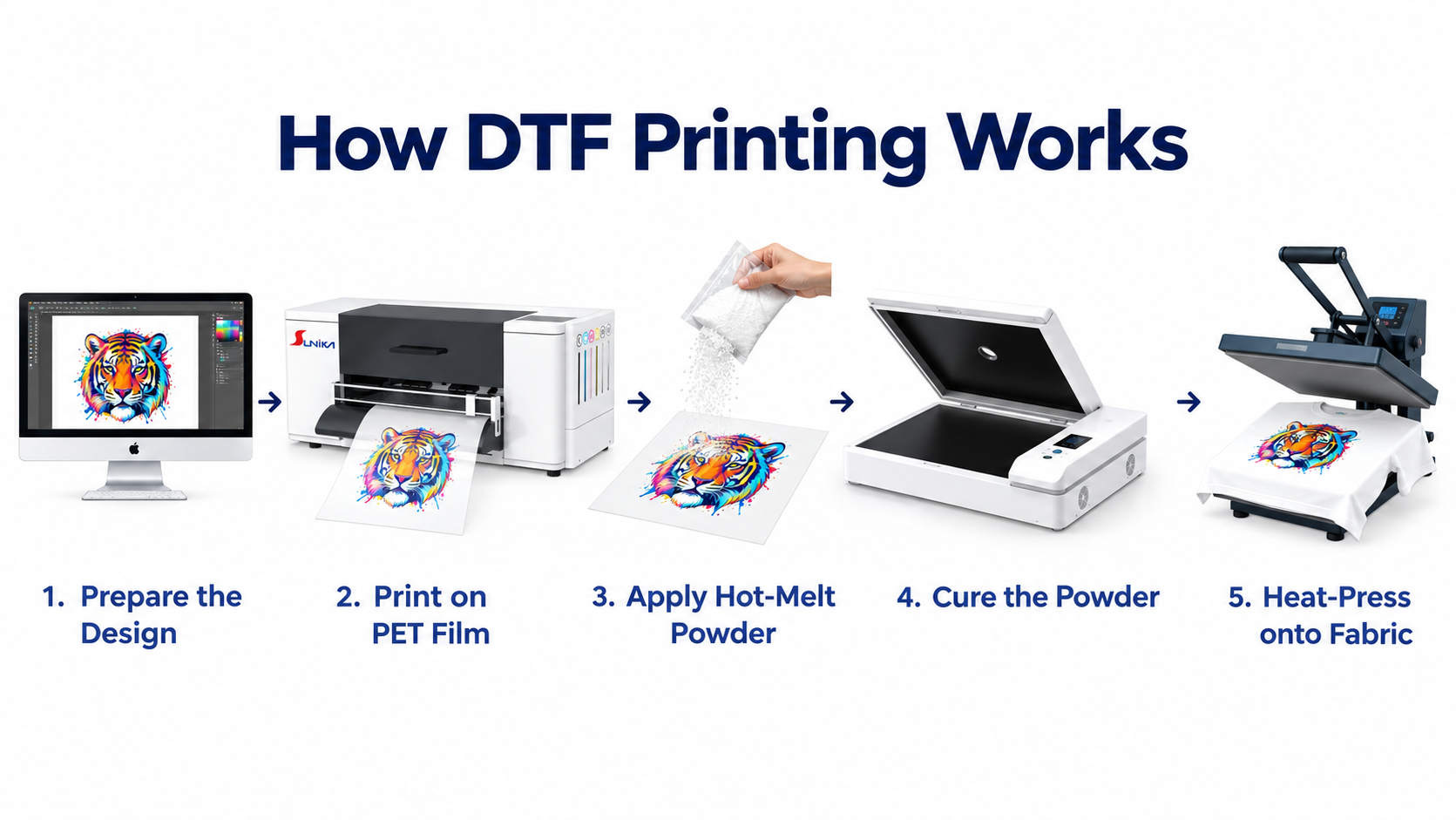
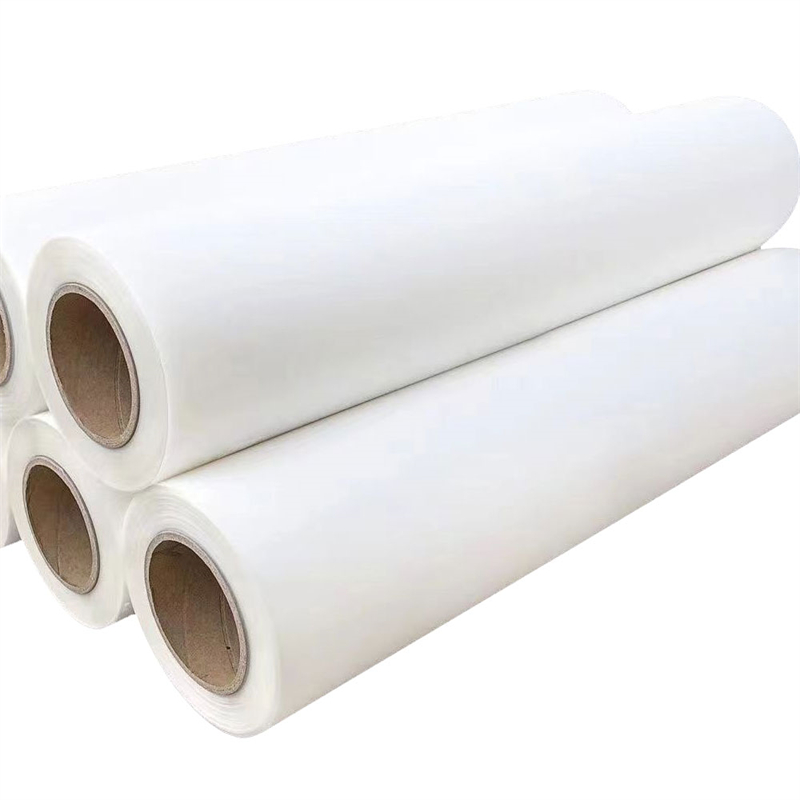
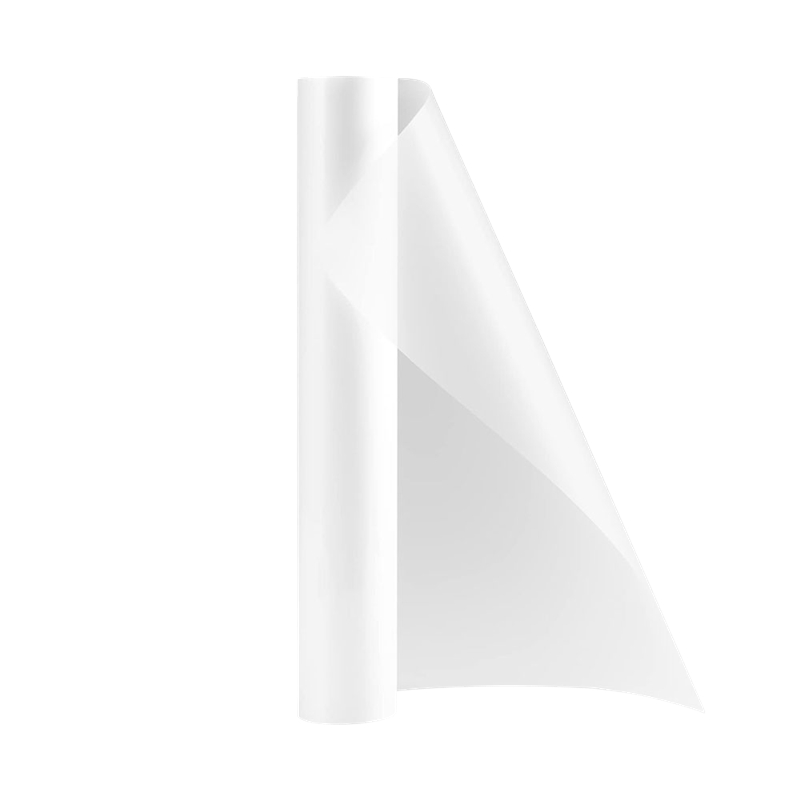
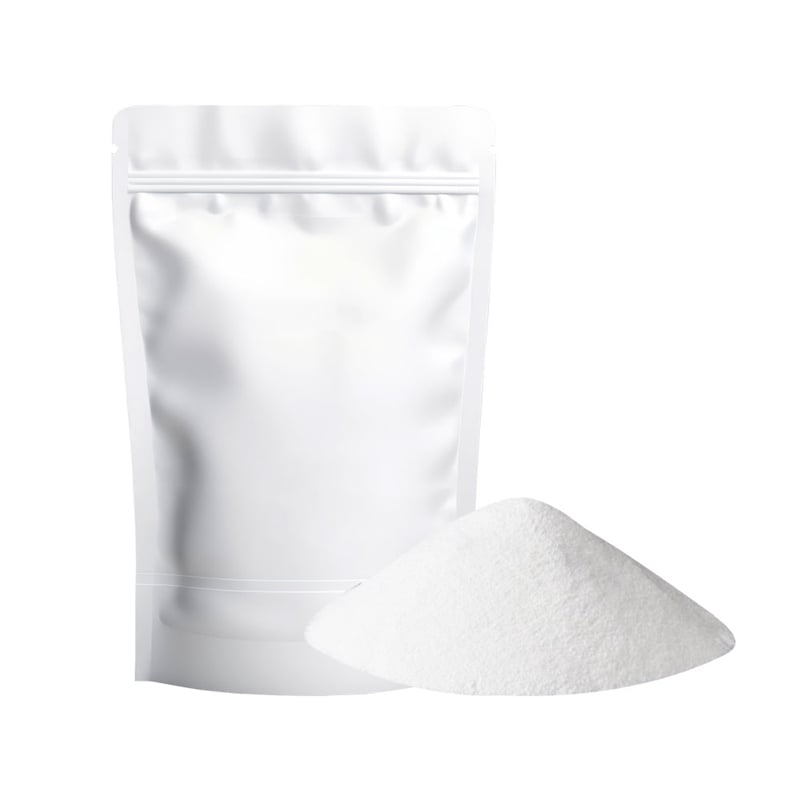
DTF stands for Direct to Film. It is a printing method in which a design is printed onto PET film using special inks. Hot-melt adhesive powder is then applied to the printed design and cured.
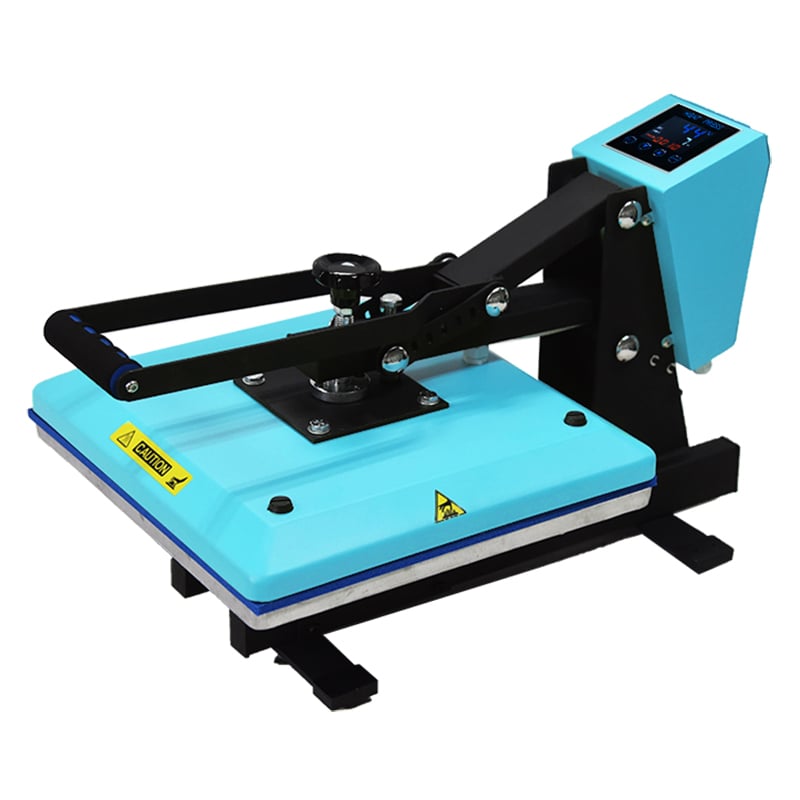
The finished transfer is placed onto fabric and applied using a heat press.
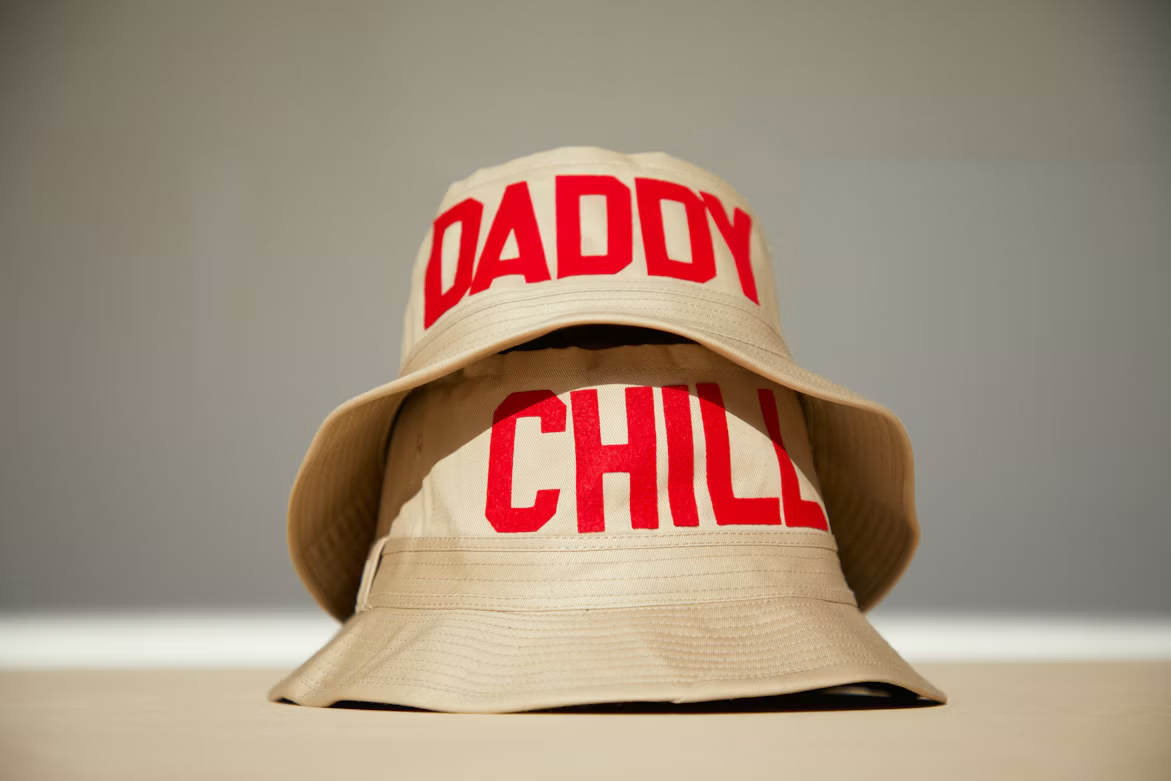
One advantage of DTF printing is its ability to transfer colorful designs onto a range of suitable fabrics, including cotton, polyester, and blends. This makes it a flexible option for custom T-shirts, hoodies, tote bags, and other textile products.
Sublimation printing uses special sublimation ink and transfer paper. During heat pressing, the ink turns into gas and bonds with the polyester fibers.
Unlike DTF, sublimation does not leave a separate adhesive layer on the fabric. The design becomes part of the material's surface, resulting in a smooth finish.
However, sublimation works best on white or light-colored polyester fabrics and specially coated products. It is generally not suitable for direct printing on regular cotton.
Although both methods use heat to transfer designs, their production processes and material requirements are different.
| Comparison | DTF Printing | Sublimation Printing |
|---|---|---|
| Printing process | Prints onto PET film, then transfers with adhesive powder | Prints onto transfer paper, then transfers through sublimation |
| Suitable fabrics | Cotton, polyester, and suitable blends | Mainly polyester |
| Dark garments | Suitable with an appropriate white ink layer | Not suitable for standard sublimation |
| Transfer finish | A printed layer sits on the fabric | Ink bonds with polyester fibers |
| Design options | Colorful graphics, details, and white ink designs | Colorful designs on suitable light-colored surfaces |
| Main applications | T-shirts, hoodies, bags, and other textiles | Polyester apparel, sportswear, and coated products |
The right choice depends on the materials you work with and the products you plan to sell.
There is no single answer. It depends mainly on the fabric and the finished look you want.
Choose DTF printing if:
You want to print on cotton, polyester, or suitable fabric blends.
You need to customize dark-colored garments.
Your designs include multiple colors, gradients, or detailed graphics.
You want to serve customers with different garment types.
Choose sublimation printing if:
You mainly work with white or light-colored polyester garments.
You want a smooth finish without a separate transfer layer.
Your products are suitable for sublimation, such as polyester sportswear.
You also make customized products with specially coated surfaces.
For a business handling different garment materials, DTF offers broader fabric compatibility. For businesses focused on polyester products, sublimation can be a practical option.
The cost of each method depends on equipment, consumables, production volume, and maintenance.
DTF printing requires PET film, DTF ink, adhesive powder, and curing equipment. Sublimation requires sublimation ink, transfer paper, and a suitable heat press.
It is also important to