EN
EN


DTF Transfer Film Buying Guide: How to Pick the Right PET Film for Your Printer
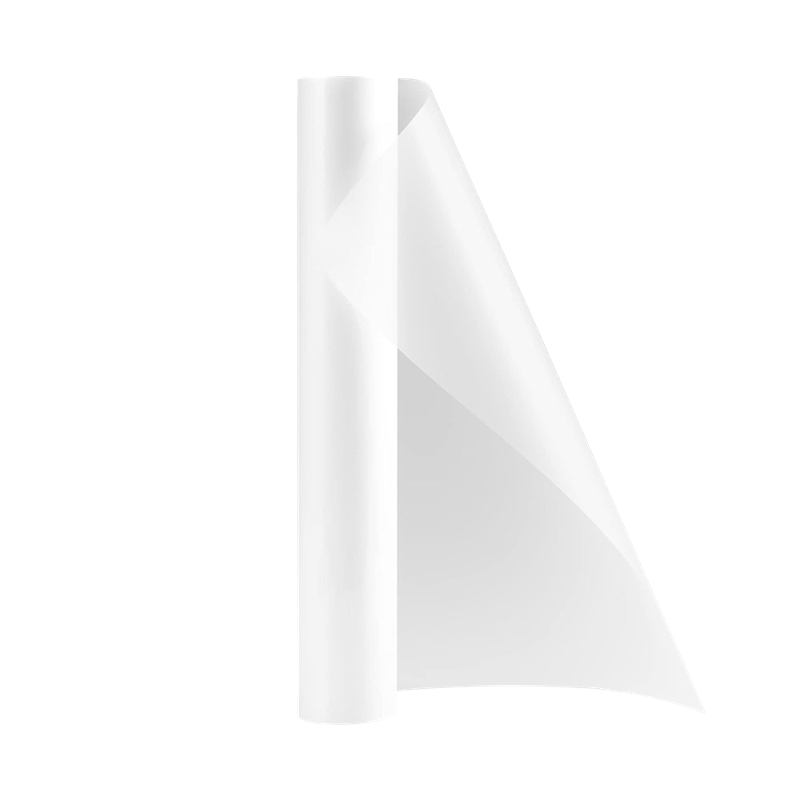
The biggest shift for most DTF operators is realizing that the PET film you choose is just as critical as the printer itself—and the two interact in ways that aren't obvious from the spec sheet alone. If you're sourcing dtf transfer sheets (hot peel or cold peel PET film rolls) for the first time, or reconsidering what's been causing inconsistent transfers, this guide walks you through the four decisions that actually matter: thickness, width, coating type, and peel method.
Understanding DTF Transfer Film Specifications
Not all dtf film is made the same, and the spec differences are more consequential than most buyers expect. Here's what each parameter controls—and why it matters before you place a bulk order on dtf transfer sheets.
Film Thickness: What the Numbers Mean
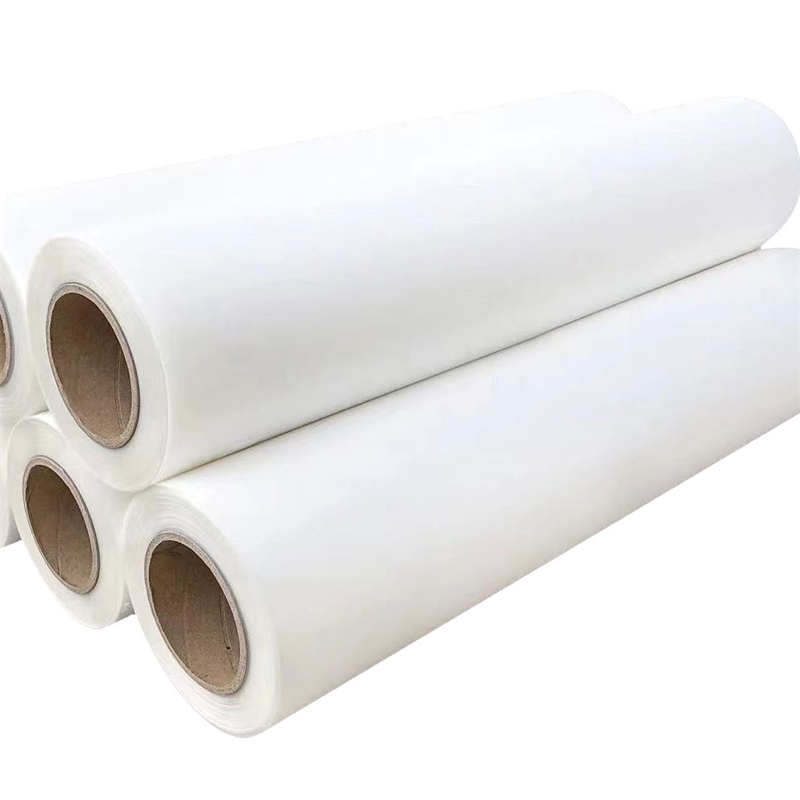
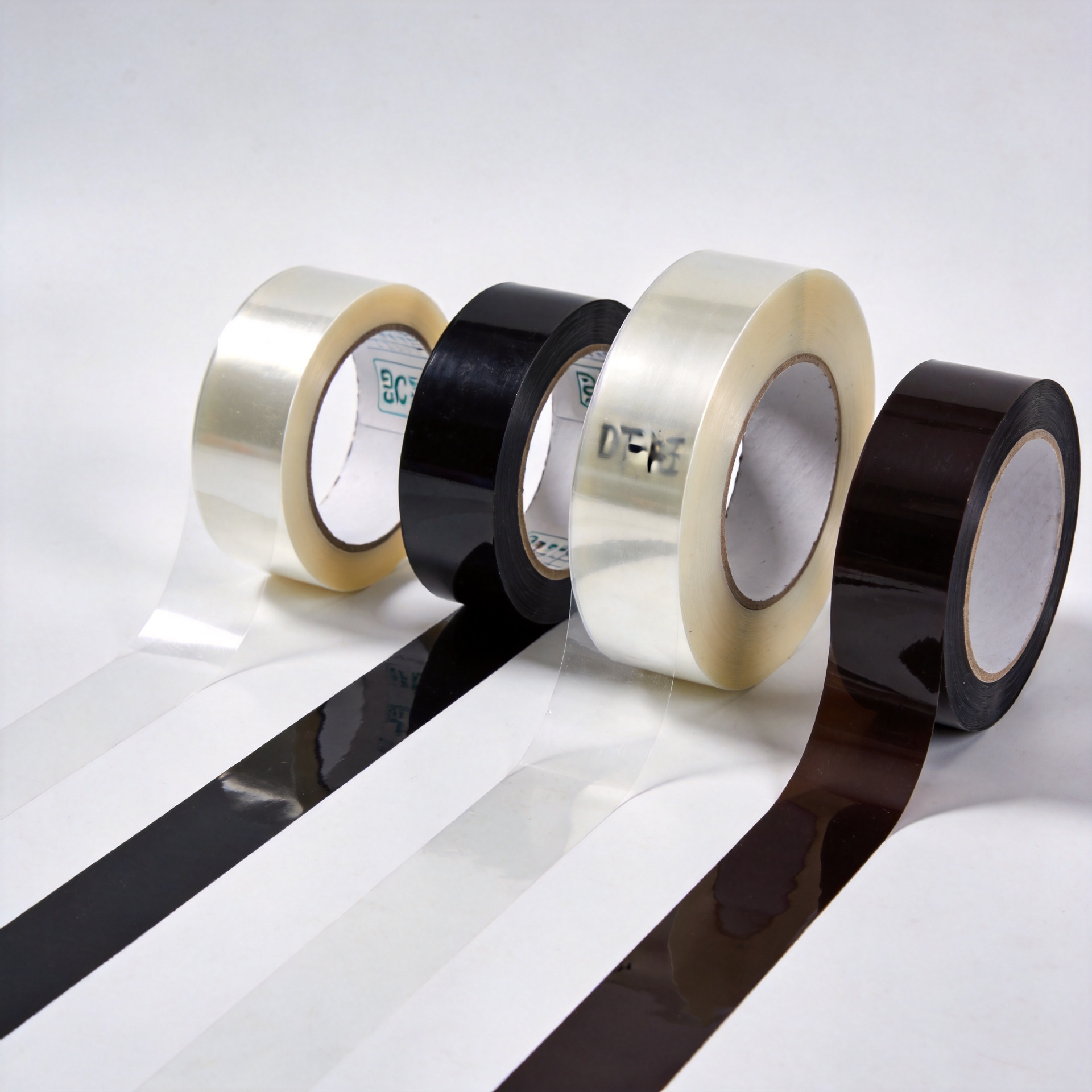
Standard dtf transfer sheets use PET film ranging from 75 to 130 microns. The most common range for standard production is 75–100 µm. Thinner film (around 75 µm) offers more flexibility and a softer hand feel on lightweight fabrics, while thicker film (100–130 µm) adds dimensional stability for demanding substrates or high-volume roll-feed setups.
It's a small thing, but matching thickness to your substrate mix—rather than defaulting to whatever your supplier stocks—can make a noticeable difference in transfer edge quality and wash durability. It's an easy detail to miss when you're focused on evaluating printers rather than the dtf transfer sheets and inks that make them run.
Film Width: Matching Rolls to Your Printer
A simple film width mismatch can cost you two weeks of delayed production—the kind of detail that's easy to miss when you're focused on print speed and resolution specs. Standard roll width options are:
- 30cm rolls: Suited for desktop DTF printers and small workshops; ideal for multi-pattern gang layouts on A4/A3-footprint machines.
- 60cm rolls: The mainstream choice for commercial roll-feed production; matches most mid-range and production-grade DTF printers running continuous or batch output.
- Sheet format (A3/A4): Suited for low-volume or desktop operations where roll feeding isn't set up.
Match the roll width to your printer's media path specification first, then confirm core diameter and take-up system compatibility. If you're scaling production, verify that your dtf film supplier can hold consistent width tolerances across batches—variation creates alignment issues on roll-fed systems.
Coating Types: Single-Sided vs. Double-Sided
Standard DTF PET film has a frosted or matte printable side and a glossy back. This is the most common configuration and works across most desktop and mid-range printers. Double-sided matte film—frosted on both sides—is designed for improved feeding stability and reduced static buildup, which matters more as print speed and roll length increase.
For short runs with reliable feeding, single-sided film is usually sufficient. If you're running longer unattended jobs or dealing with static-related feeding errors, double-sided is worth the modest cost premium.
Hot Peel vs. Cold Peel DTF Film: Which Fits Your Workflow
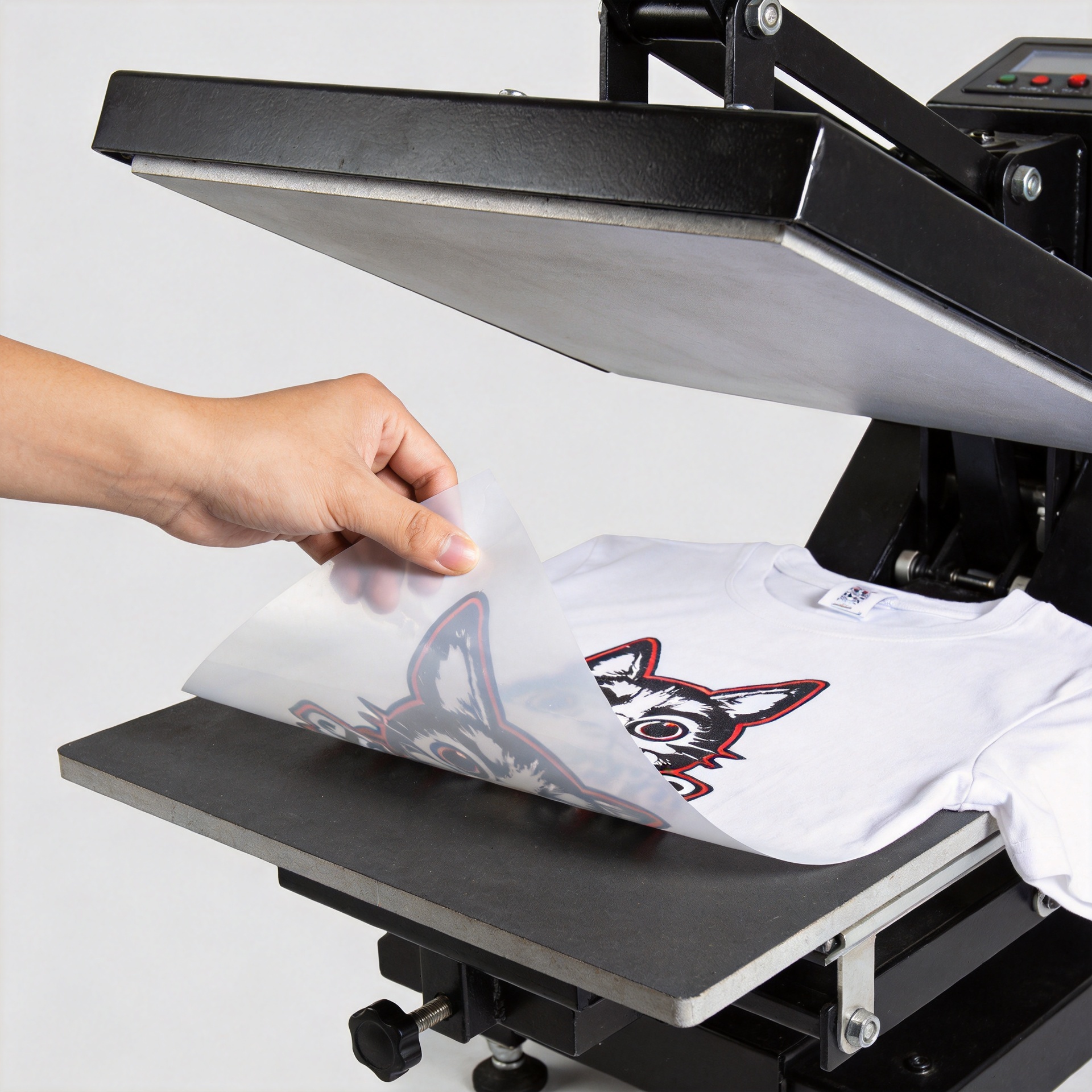
When sourcing dtf transfer sheets, most buyers form an opinion on hot versus cold peel before they've actually run both. Hot peel allows you to remove the film immediately after pressing, while the fabric is still warm—useful for high-speed production runs. Cold peel requires the transfer to cool before peeling, which gives the adhesive more time to set and typically produces cleaner edges on fine-line designs and stretch substrates.
| Factor | Hot Peel DTF Film | Cold Peel DTF Film |
|---|---|---|
| Peel timing | Immediately after pressing (while hot) | After cooling (15–30 seconds) |
| Production throughput | Faster per piece | Slower—cooling step required |
| Edge definition | Adequate for solid-color and standard designs | Better for fine lines and gradients |
| Stretch fabric performance | Acceptable if powder and ink are optimized | Generally preferred for elastics and activewear |
| Wash durability | Good with correct curing parameters | Slightly higher with proper peel timing |
For most dtf transfer sheets buyers, hot peel turns out to be the default production-floor choice—and for high-volume garment runs on standard cotton, that's often right. If you're printing onto stretch activewear or producing fine-detail corporate merchandise transfers, cold peel is the lower-risk option regardless of the throughput trade-off.
Choosing DTF Transfer Sheets by Printer Type and Substrate
Rather than treating your dtf transfer sheets and dtf sheets as standalone consumables, think of them as part of a system: your printer's media handling, your ink formulation, and your heat press parameters all interact with the film's properties. A practical decision path:
- Start with your printer's media path spec: roll width and core diameter. These define which film options are physically compatible.
- Match thickness to your primary substrate: 75–80 µm for lightweight fabrics where soft hand feel matters; 100 µm for general production; 120–130 µm for high-speed roll systems or demanding substrates. The right dtf transfer sheets thickness reduces edge issues and improves wash durability.
- Choose peel type based on your order mix: hot peel for predominantly standard-garment volume runs; cold peel where stretch fabrics, fine artwork, or high-wash-cycle durability are priorities.
- Match coating to your production environment: single-sided matte for standard setups; double-sided matte where static buildup or long unattended runs are a factor.
Choosing a wide-format printer and matching 60cm film gets you higher batch throughput, but the trade-off is a larger consumable footprint per run—whether that matters depends entirely on your average order size and production cadence.
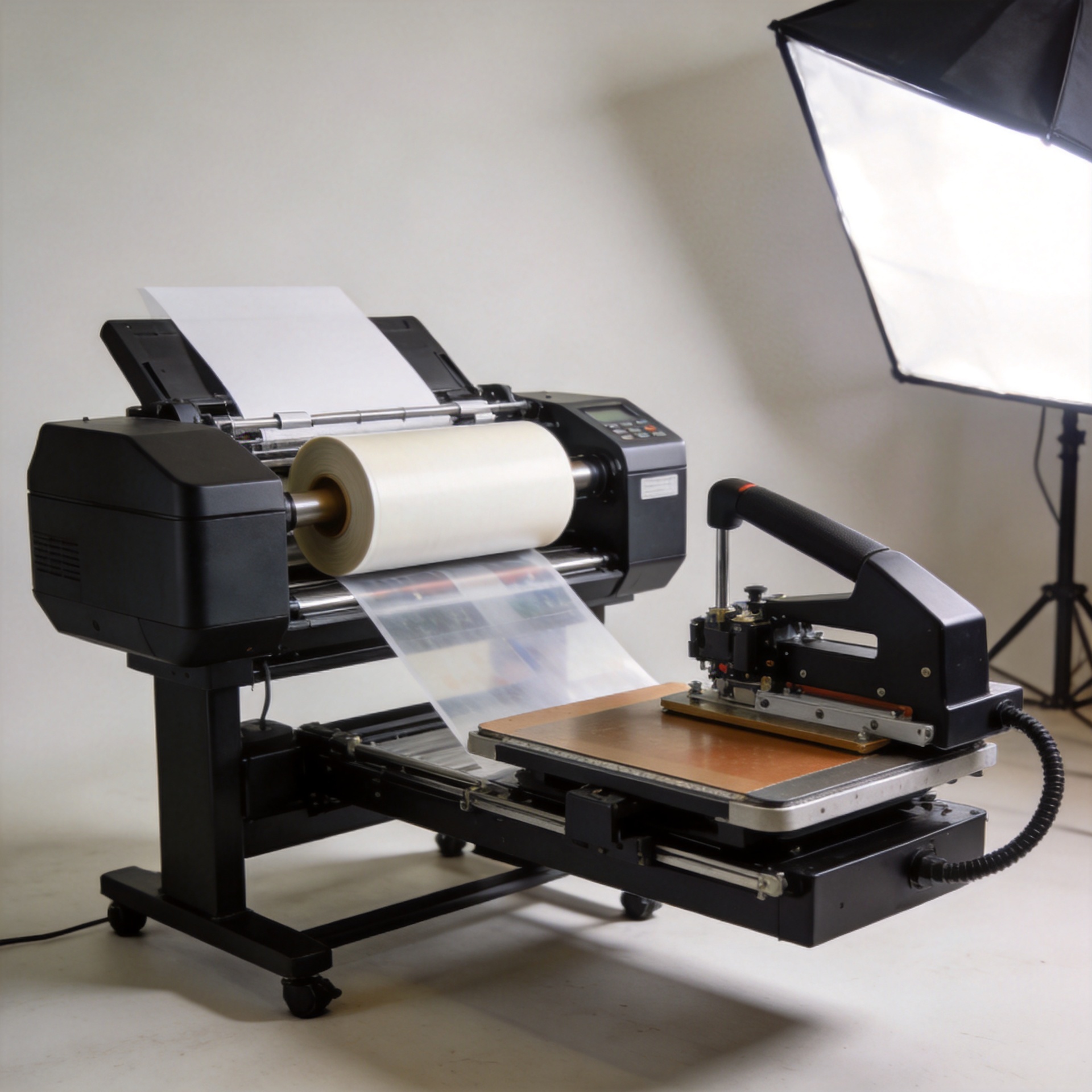
For operators looking to source dtf transfer sheets as part of a complete DTF supply chain alongside their printing equipment, Sunika supplies DTF White Ink Transfer Film Heat Transfer PET Film as part of its consumable lineup, designed for compatibility with its DTF printer range. Sourcing film from your equipment supplier reduces integration risk, particularly during initial production setup when you're still calibrating your ink-film system.
Checklist: What to Confirm Before Ordering DTF Transfer Sheets in Bulk
Before placing a volume order on dtf transfer sheets or dtf film, confirm these from your supplier:
- Thickness tolerance across the batch (narrow tolerances support consistent ink layering)
- Peel type classification and temperature-range recommendations for their coating
- Roll width and core diameter specifications
- Storage requirements and shelf life under your local climate conditions
- Lead time and minimum order quantity for your region
In practice, many film-related issues with dtf transfer sheets aren't about the spec itself—they're about ambient temperature affecting ink adhesion, storage humidity warping film flatness, or ink formulation mismatches that only appear after the first wash cycle. Start with supplier-recommended dtf transfer sheets combinations and optimize from there, rather than defaulting to the lowest available price point without compatibility testing.
A supplier who can't answer these questions clearly is telling you something about the depth of their technical knowledge—even if the product itself looks fine on paper.