EN


DTF Printer Price Factors for Custom Apparel Businesses
For a custom apparel company, comparing a dtf machine printer by its headline quote alone is a fast way to under-budget. Two machines can look similar in a quotation but have very different production capacity, workflow requirements, maintenance exposure, and support needs. The useful question is not simply “What does a dtf machine printer cost?” but “What will it cost our shop to produce reliable transfers over the next 12 to 24 months?”
That distinction matters most for businesses moving from outsourced transfers, heat vinyl, or small-batch decoration into in-house DTF. A practical buying decision accounts for the printer, curing workflow, consumables, installation, operator time, and a reserve for service—not just the machine on the invoice.
Start With a Budget Range, Then Compare the Included Workflow
Public market guides often place small startup DTF setups around US$3,000–7,000, small print-shop systems around US$7,000–15,000, and production configurations at US$15,000–30,000+. Treat these as planning ranges rather than universal prices: shipping destination, power requirements, print-head choice, accessories, and supplier support can shift the final figure materially.
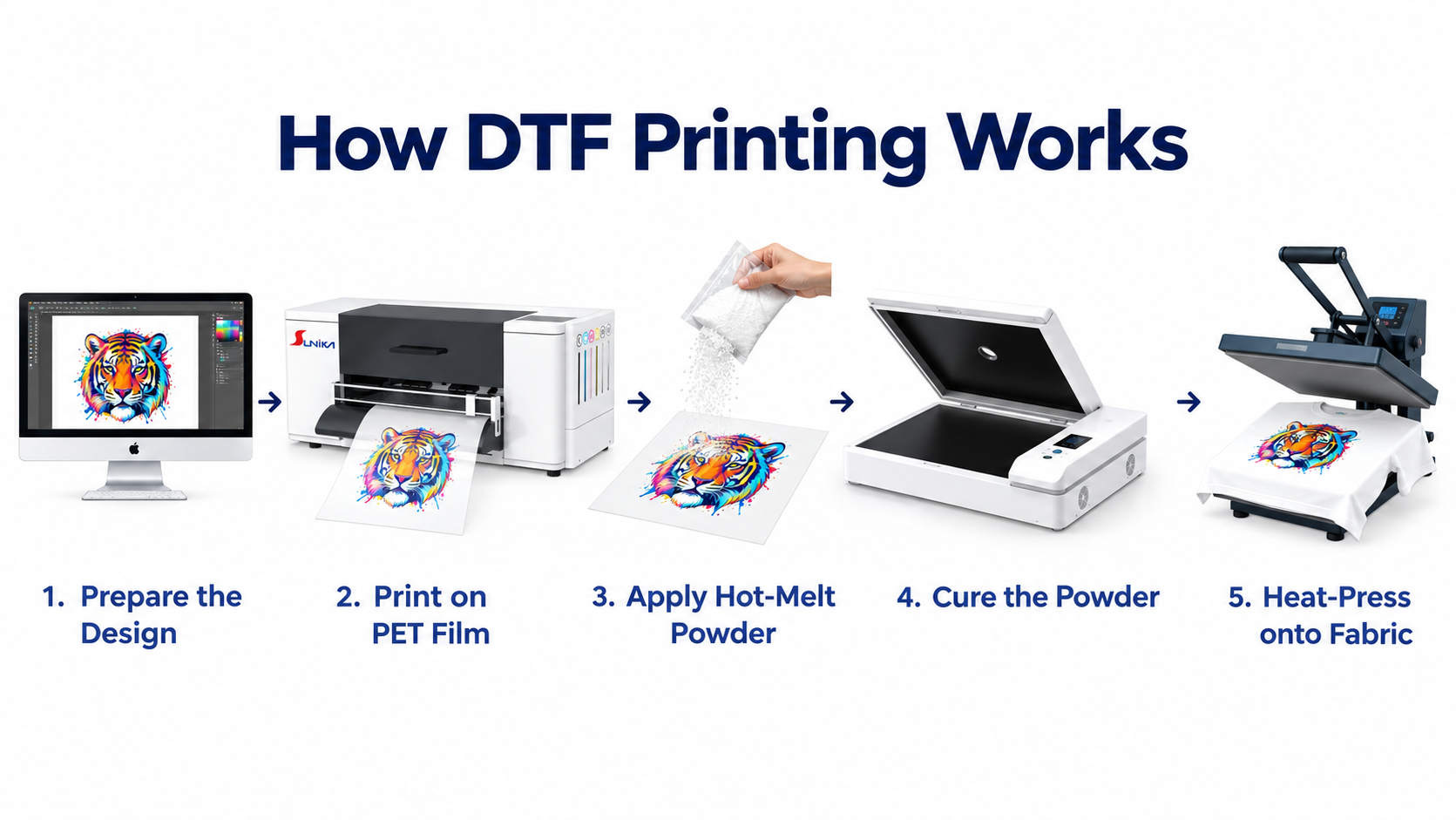
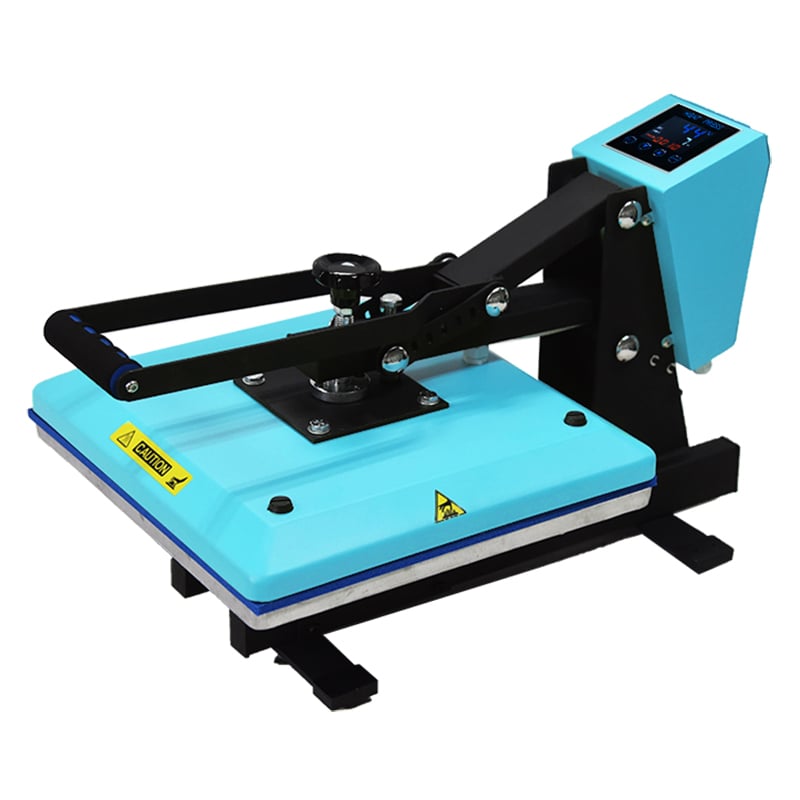
The lowest quote may cover only the printer. A production-ready dtf machine printer workflow can also require a powder shaker and curing unit, RIP software, a heat press, ventilation or workspace preparation, spare parts, and initial ink, film, and powder. Ask every supplier to separate what is included, optional, and required before comparing quotations.
| Cost area | Why it changes the price | Buyer question |
|---|---|---|
| Printer platform | Print width, chassis, ink system, and automation level affect the base price. | Does the width fit our actual order mix? |
| Print-head configuration | Head type and count influence output speed, detail, replacement planning, and price. | What head is installed and what is the replacement process? |
| Powder and curing | Manual steps cost less upfront but can add labor and variation. | Is a shaker/oven included or priced separately? |
| Support package | Training, documentation, parts access, and remote diagnosis reduce operational risk. | What happens when the shop needs help during production? |
Equipment Configuration Is the Largest Price Driver
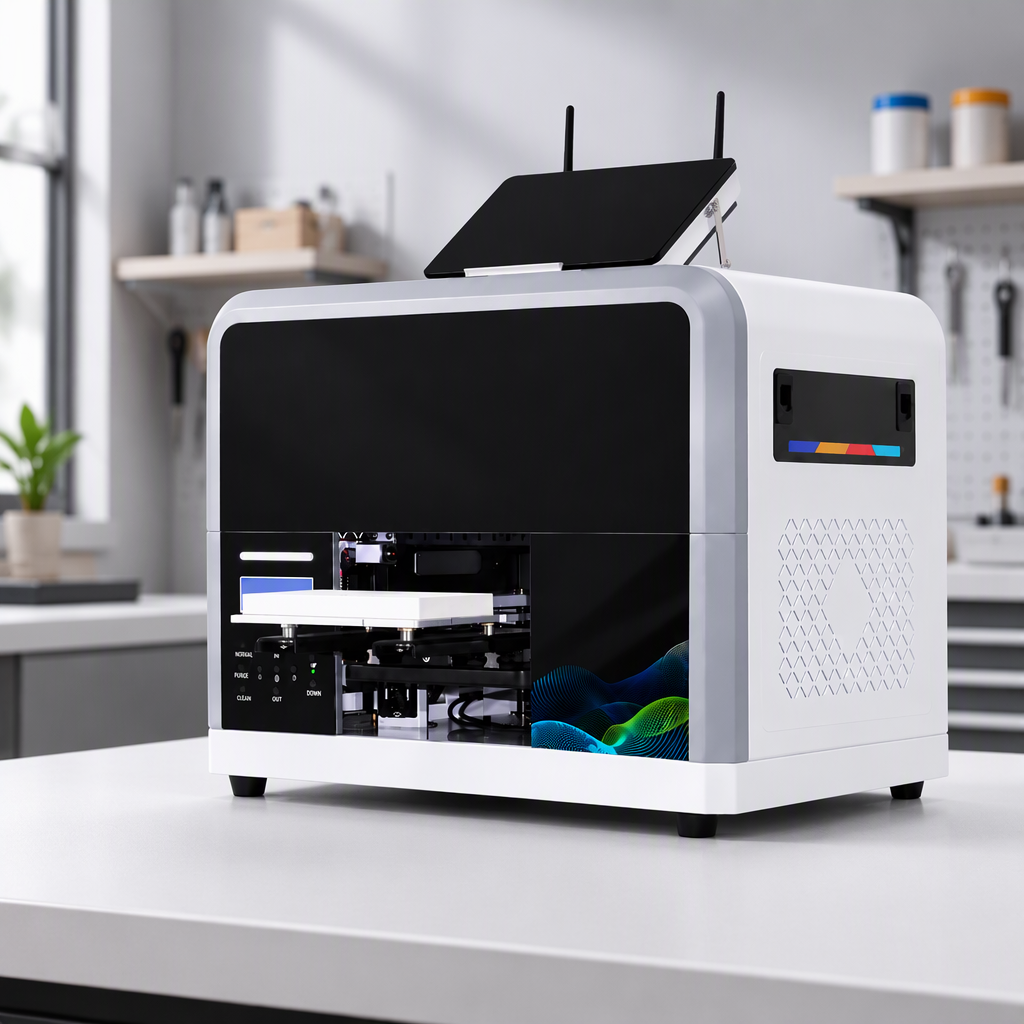
A compact A3 dtf machine printer can suit sampling, side businesses, and modest order volumes. When comparing a dtf machine printer at this level, ask how long a typical order takes from RIP preparation through cured transfer rather than relying on a single speed claim. Roll-fed and wider systems usually cost more because they are built for longer runs, more stable media handling, and integrated production steps. The right choice depends on profitable weekly output, not the largest machine a budget can technically buy.
Print-head configuration deserves its own line item. It affects throughput and output capability, but it also affects maintenance planning. One industry cost guide cites a broad new print-head cost range of roughly US$300–1,600; the relevant number for a buyer is the confirmed cost and availability for the exact installed head. Include realistic downtime planning alongside the replacement price.
For a smaller apparel business, a confirmed product option is the Sunika SK-A3 DTF Printer F1080 330mm A3 Direct to Film Printer. Its confirmed product title indicates an A3/330 mm format, which is a useful starting point for evaluating whether compact-sheet production matches the shop’s design sizes and weekly demand. Buyers should still request the current configuration list, workflow scope, and support terms before treating any quote as comparable.
Consumables Turn a Purchase Price Into a Total-Cost Decision
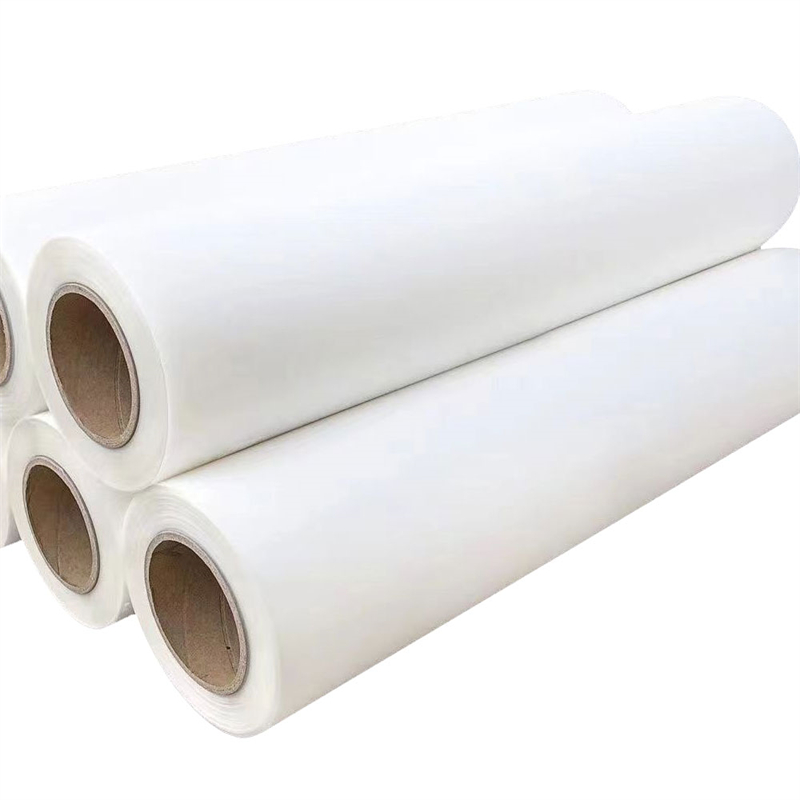
Ink, film, adhesive powder, cleaning materials, and waste are recurring costs. They vary with artwork coverage, white-ink usage, gang-sheet layout, fabric mix, and operator discipline. A low-price dtf machine printer does not automatically produce lower-cost transfers if the ink system is unstable, film quality is inconsistent, or reprints rise.
Build a simple internal model before approving any dtf machine printer, using your own likely jobs: full-color chest prints, dark-garment designs with heavy white, and a gang sheet of smaller logos. For each, estimate material use, labor minutes, press time, spoilage allowance, and overhead. This gives a more honest comparison with outsourced transfers than a generic “cost per print” claim.
- Request compatible ink, film, powder, and cleaning recommendations in writing.
- Ask whether the supplier can support recurring consumable supply for your destination.
- Keep early budget for test prints and operator learning rather than assuming zero waste on day one.
- Use gang layouts only when they fit your order flow; unused space is still paid-for media.

Do Not Separate the Printer From the Supporting Process
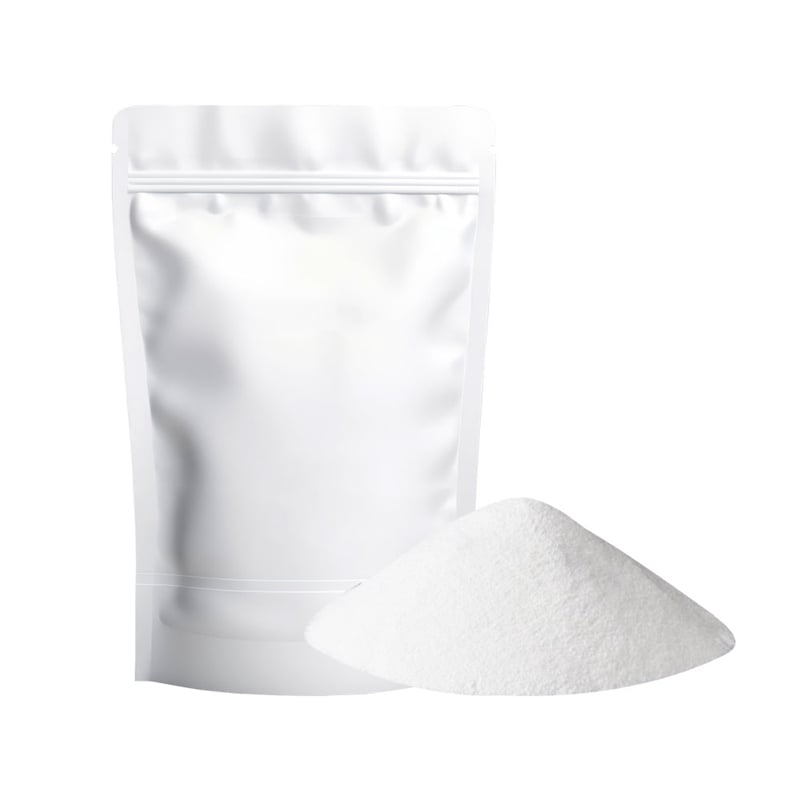
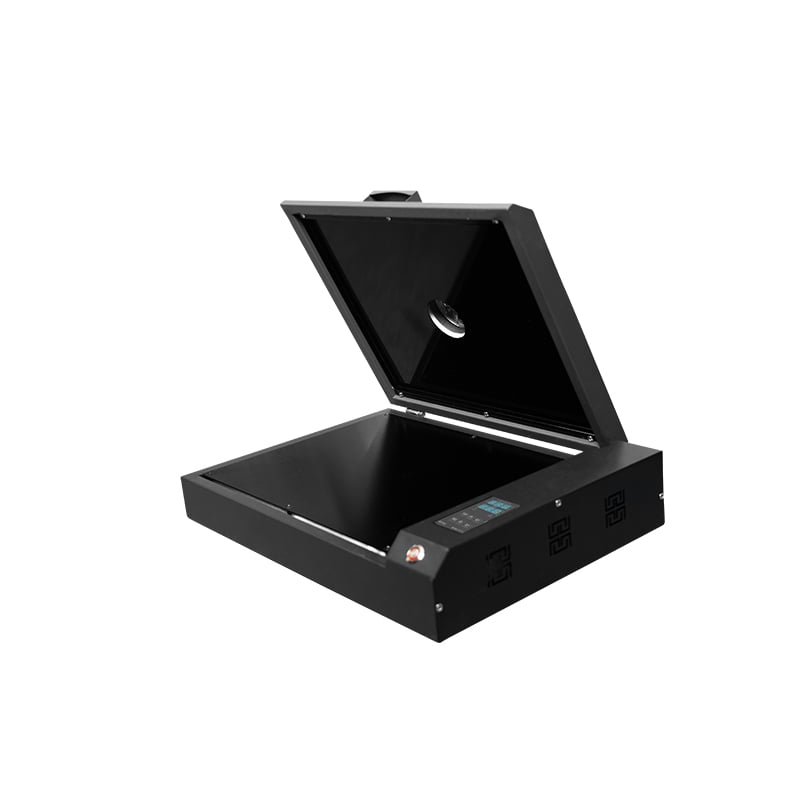
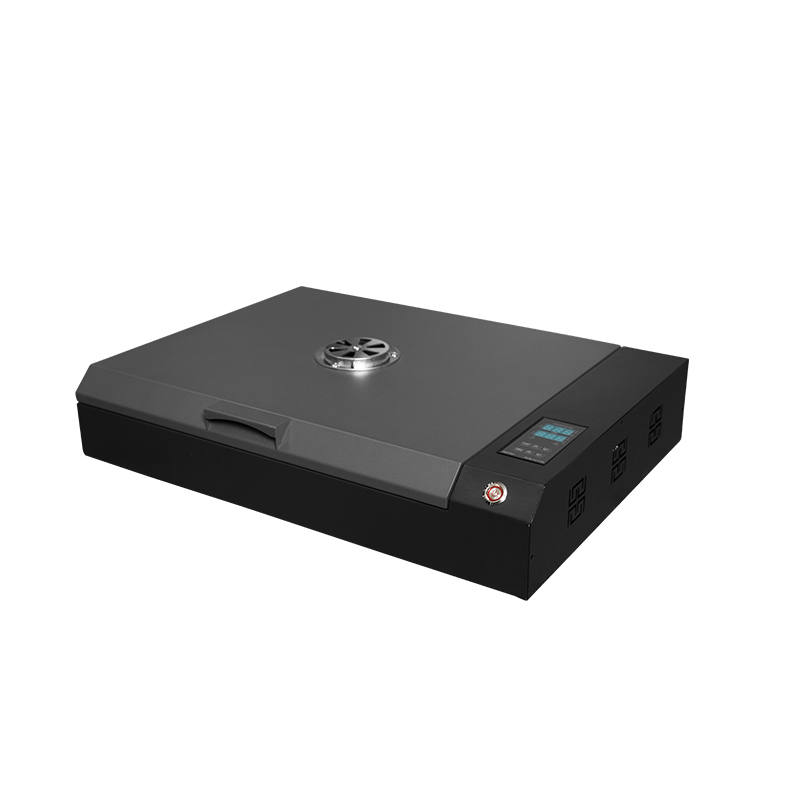
A dtf machine printer is part of a workflow, not a single box. Powder application, curing, transfer pressing, file preparation, and white-ink management determine whether the operation produces consistent apparel transfers. Integrated powder-shaker and curing equipment increases the investment, yet it may reduce manual handling and make volume production easier to standardize. For low volume, a more manual approach can be appropriate if the labor and quality-control requirements are understood.
Site readiness can also affect the final dtf machine printer budget. Buyers comparing each dtf machine printer quote should price these setup items before using the quote in an ROI calculation. Confirm power availability, ventilation expectations, safe consumable storage, worktable space, and receiving access before placing an order. International buyers should separately budget for freight, duties, local installation needs, and a buffer for delivery timing rather than rolling them into an assumed machine price.
Maintenance, Training, and Support Have a Real Financial Value
White ink needs disciplined circulation, cleaning, and monitoring. If that routine is ignored, a seemingly affordable dtf machine printer can become expensive through clogs, reprints, and production delays. Preventive maintenance guidance, clear troubleshooting material, and access to compatible consumables are therefore price factors—not optional extras.
Evaluate support for each dtf machine printer as an operating-cost control. For example, confirm training coverage, response channels, spare-parts availability, diagnostic process, warranty exclusions, and which tasks an operator can perform safely. Sunika positions pre-purchase technical consultation and onboarding support as part of its equipment offering; a buyer should ask for the current scope in writing and compare it with other suppliers’ commitments.
A Practical DTF Printer Purchase Checklist
- Define your monthly transfer volume, common print sizes, and peak-season target.
- Request a line-by-line quote for printer, powder/curing equipment, software, heat press, consumables, packing, freight, and service.
- Compare output capacity against your realistic orders, not theoretical maximum speed.
- Request print samples using artwork and fabrics close to your normal jobs.
- Confirm the print-head model, maintenance routine, replacement availability, and lead time.
- Calculate a first-year budget that includes consumables, training time, test waste, maintenance reserve, and import costs.
- Choose the supplier whose complete workflow and support model can protect your delivery commitments.
Conclusion: Buy the Production System, Not the Lowest Headline Quote
The most suitable dtf machine printer for a custom apparel business is the one that matches production volume, available workspace, operator capability, and total-cost target. Equipment width and print heads matter, but so do consumables, curing steps, maintenance discipline, and support after delivery. A transparent quote and a first-year cost model make it easier to compare DTF options on value instead of headline price.
Before committing, share your expected order mix and destination requirements with the supplier. A configuration discussion grounded in actual jobs can prevent both under-buying and paying for capacity your business will not use.