EN
EN


DTF Hot Melt Powder Guide: Types, Uses, and Tips for Better Transfer Quality
As a DTF printing equipment specialist at Sunika, one of the questions I hear most consistently from distributors and production buyers is: "Does it really matter which powder we use?" The short answer is yes, quite a lot actually, assuming you care about wash durability and transfer consistency. The right DTF powder for your workflow depends less on brand preference and more on substrate type, curing equipment, and end-use requirements.
This guide walks through the main types of DTF hot melt powder, how to match them to specific substrates and applications, and the operational details that make a real difference in transfer quality.
What Is DTF Hot Melt Powder?
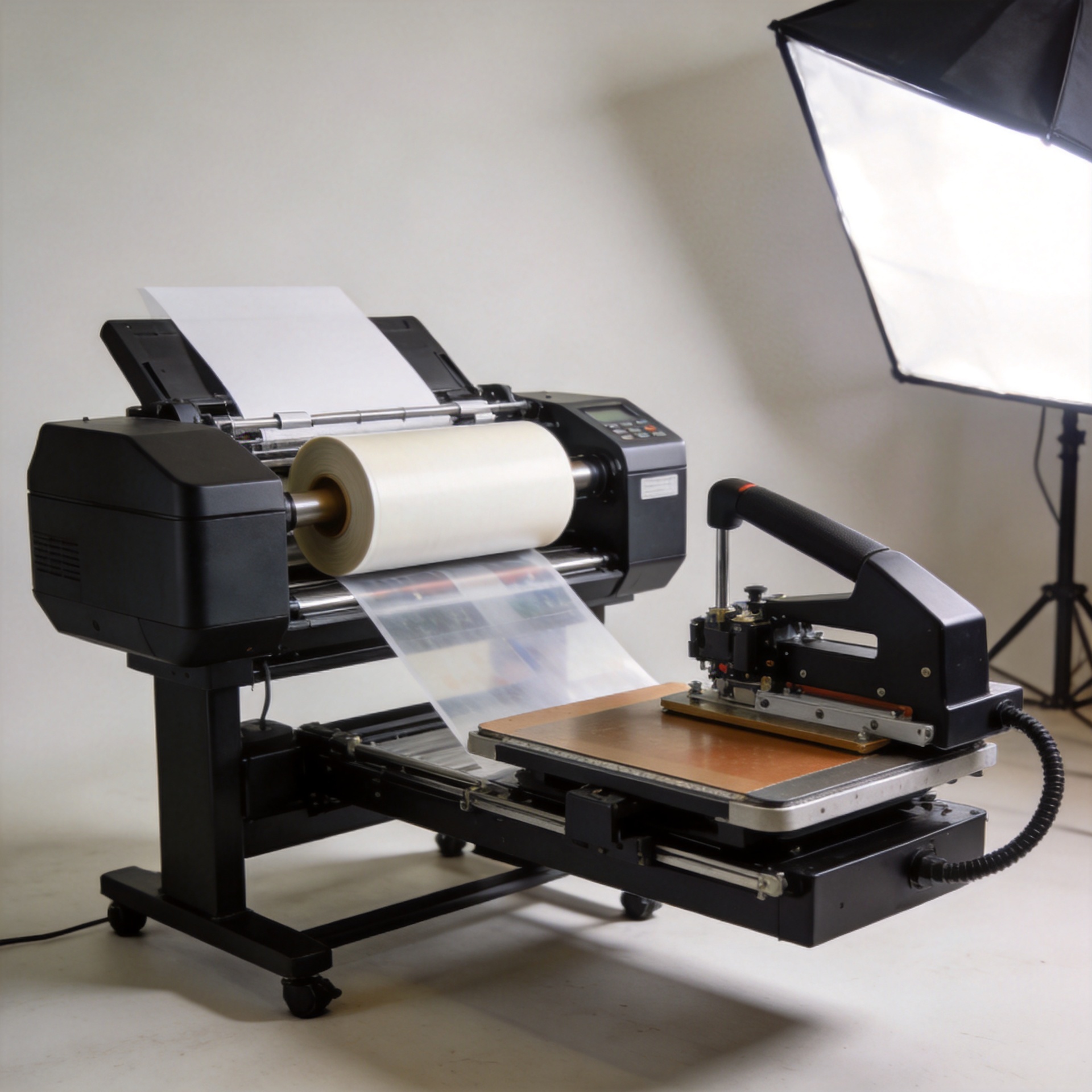
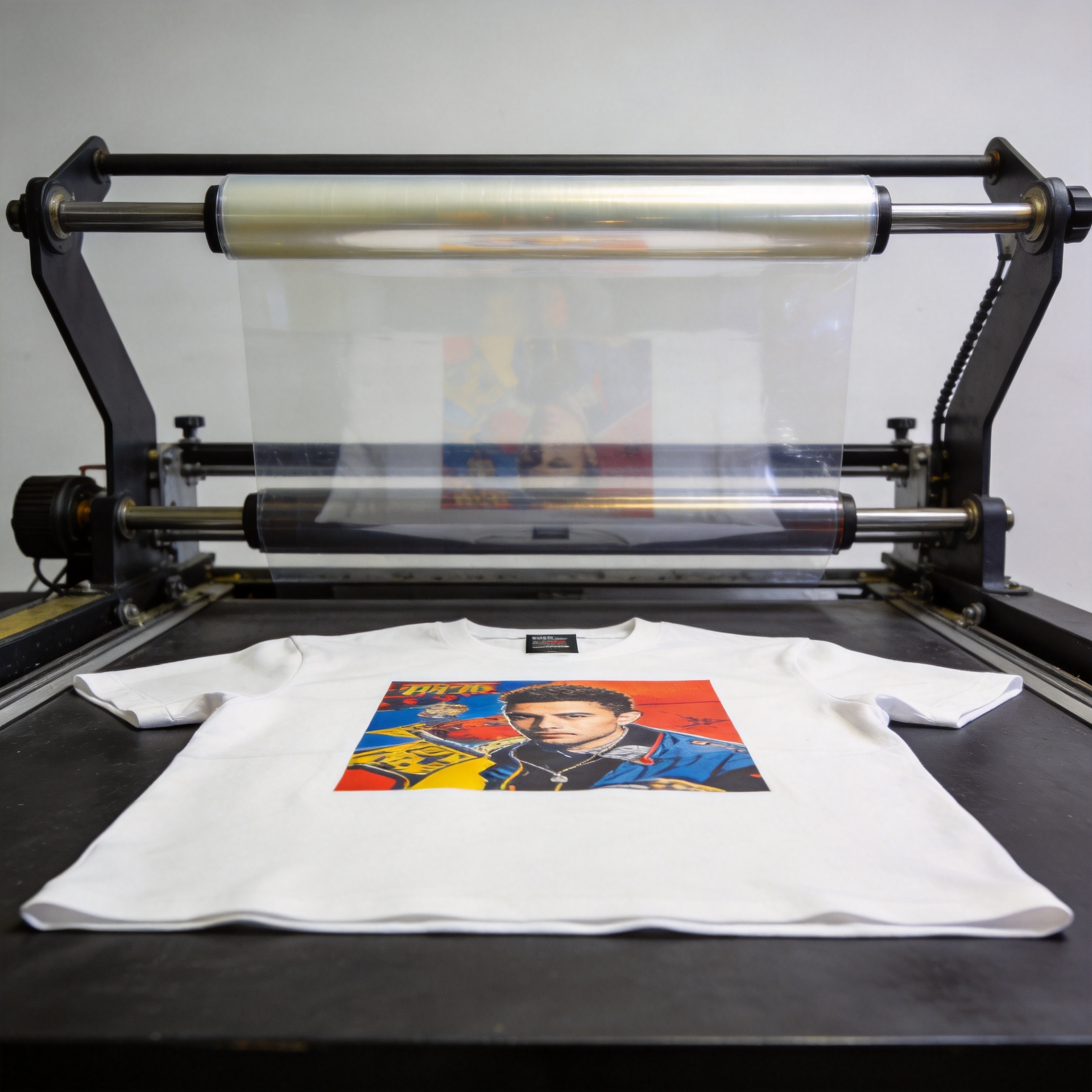
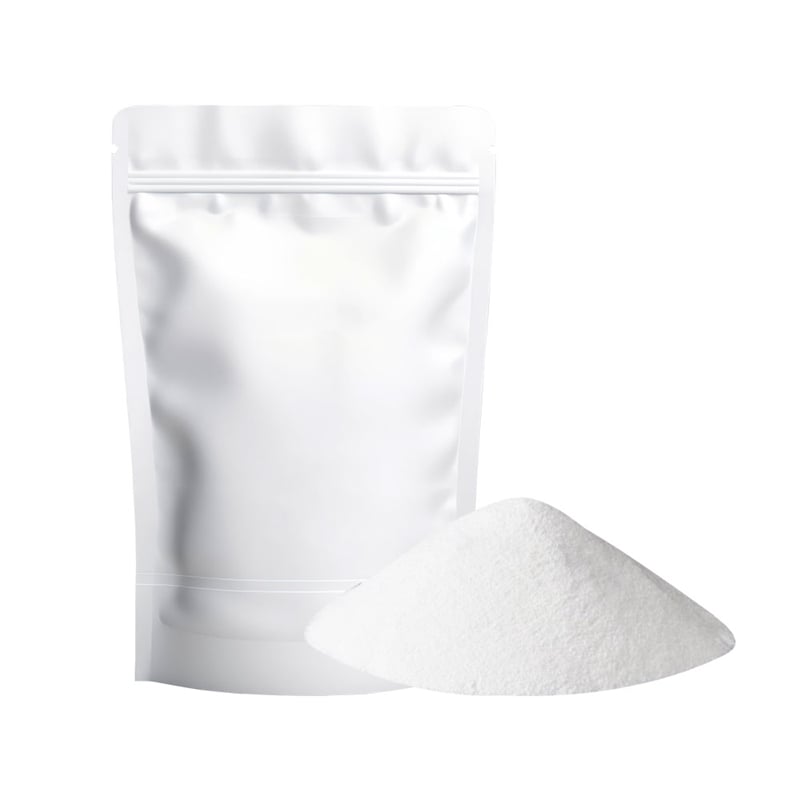
DTF powder—also called DTF hot melt adhesive powder or DTF hot melt glue—is the binding agent applied to a printed DTF film before the transfer is heat-cured and pressed onto fabric. The powder melts under heat, bonds to the ink layer, and creates the adhesive interface between the printed design and the garment.
Most DTF powders are formulated from thermoplastic polyurethane (TPU) or similar hot-melt adhesive polymers. These materials are chosen specifically because they deliver both adhesion strength and flexibility after curing—two properties that rarely coexist in simpler adhesive formulations. Particle fineness typically falls in the 80–200 µm range, which affects how evenly the powder coats the film and how consistent your transfer edges look.
The Three Main Types of DTF Powder
Standard DTF Powder
Standard powder is the general-purpose option, designed for everyday cotton and cotton-polyester blend printing. It has a softening point in the 120–130°C range and handles oven curing at 110–130°C efficiently, with a drying time of roughly 10–15 seconds at optimal temperature. If your production runs are primarily T-shirts, hoodies, and everyday apparel on stable woven or knit fabrics, standard powder will cover most use cases without the added cost of specialty formulations.
Elastic (High-Elasticity / TPU) DTF Powder
Elastic powder (sometimes called high-elasticity or stretch powder) is built for garments that move. Its melt point falls in the 110–130°C range, with superior elongation characteristics that keep the transfer intact through repeated stretching. It supports wash temperatures of 60°C and above when properly cured, which matters significantly for activewear or workwear that goes through commercial laundry cycles.
If your clients are decorating sportswear, yoga wear, or any tight-knit stretch fabric, elastic powder should be the default choice. On the floor, you start to see that powder application thickness and wash durability are more directly connected than the documentation suggests—especially when prints go through commercial laundry cycles, and elastic powder gives you the most consistent results in that context.
Low-Temperature DTF Powder
Low-temperature powder (sometimes called low-melt or low temp hot glue powder) is formulated for substrates that can't tolerate standard curing heat. It softens and activates at temperatures at or below 130°C, making it the right choice for nylon, certain synthetic blends, and other heat-sensitive materials where standard operating temperatures could cause warping, shrinkage, or surface distortion.
Low-temperature powder typically involves a trade-off in maximum wash durability compared to standard or elastic formulations—the lower curing energy can result in a slightly softer bond. If print longevity across aggressive wash conditions is the primary requirement, this is something to factor in alongside the substrate protection benefit.
How to Match DTF Powder to Your Production Needs
Choosing the right DTF powder comes down to evaluating your workflow against three key dimensions:
Dimension 1: Substrate Type and Heat Tolerance
Cotton and cotton-polyester blends tolerate standard powder settings well. Stretch fabrics—lycra, elastane, performance knits—benefit from elastic powder to maintain print integrity. Heat-sensitive synthetics like nylon require low-temperature powder to avoid substrate damage. If your production handles all three types, running a small substrate test series before committing to bulk orders is a reasonable safeguard.
Dimension 2: End-Use Washing Requirements
For garments going through standard home washing at 30–40°C, standard powder usually performs adequately. For commercial laundry environments or activewear rated for 60°C+ wash cycles, elastic powder is the technically sound choice. Verify the powder's documented wash durability against the end-use specification before recommending it to clients with strict performance requirements.
Dimension 3: Equipment Compatibility
The powder's melt point must align with your oven or curing unit's operating range. For heat press transfer, the typical setting is 160–180°C for 2–5 minutes depending on substrate thickness and powder type—but check your specific powder's datasheet, since operating outside the recommended range affects both adhesion strength and hand feel. Verify the powder's melt point (typically 110–160°C depending on type) matches your equipment's operating range before placing bulk orders.
Tips for Better Transfer Quality
Control Powder Application Thickness
Nobody talked about the hot-melt powder cleanup side of DTF printing until I was dealing with it every day—it affects workspace hygiene and powder waste management more than most buyers expect. But beyond cleanup, application thickness has a direct quality impact: too thin and you'll see adhesion failures at edges; too thick and the transfer develops a stiff, heavy hand feel that buyers in the apparel segment consistently flag as a quality issue. Most production environments find a consistent coating routine—whether manual shaking or automated application—is worth establishing early.
Calibrate Curing Temperature Precisely
It's a small thing, but getting the powder curing temperature right by a few degrees can make a noticeable difference in wash durability. Under-cured powder results in premature delamination. Over-cured powder can cause brittleness or color shift in lighter inks. If your setup allows temperature logging, reviewing oven consistency across a production batch is a useful step when troubleshooting inconsistent results.
Evaluate Powder Quality Before Bulk Sourcing
Using lower-cost DTF powder can reduce consumable spend per print, but the trade-off in adhesion consistency and transfer quality at scale is a real consideration—not just a supplier talking point. Request a test sample before committing to large volumes, and run the sample through your actual curing setup and substrate mix rather than relying solely on the spec sheet. For B2B buyers supplying printing operations, this step protects against downstream returns and quality complaints.
Sourcing DTF Powder: What to Look For
When sourcing DTF powder at scale, four things tend to matter most: documented melt point and particle fineness specifications, powder types that cover your actual substrate range, responsive technical support, and minimum order quantities that fit your production volume. Sunika's Hot Melt Adhesive Glue White Powder For DTF Heat Transfer Film is designed specifically for DTF heat transfer workflows, and is available through Sunika's direct and international channels for buyers in Europe, North America, and South America.
The right DTF powder is less a brand decision than a specification decision. Once you've matched the powder type to your substrate range and verified the curing parameters, the workflow becomes straightforward—and transfer quality becomes a lot more predictable.