EN
EN


Custom UV DTF Stickers for Branding and Packaging: Real Business Applications
If you've been producing custom stickers using vinyl cutters or screen printing, there's a good chance you've already noticed the limitations. Complex artwork loses detail. Colors shift between batches. And certain surfaces—glass bottles, metal tins, acrylic packaging—simply won't hold traditional adhesive films for long. UV DTF technology changes that equation in ways that are genuinely useful for businesses that depend on consistent, high-quality custom stickers across a range of products and applications.
This article looks at the real business scenarios where UV DTF custom stickers deliver measurable value: brand packaging, product labeling, vehicle graphics, and promotional materials. If you're evaluating whether UV DTF sticker production is worth the equipment investment, understanding the application landscape is a practical starting point.
What Sets UV DTF Custom Stickers Apart
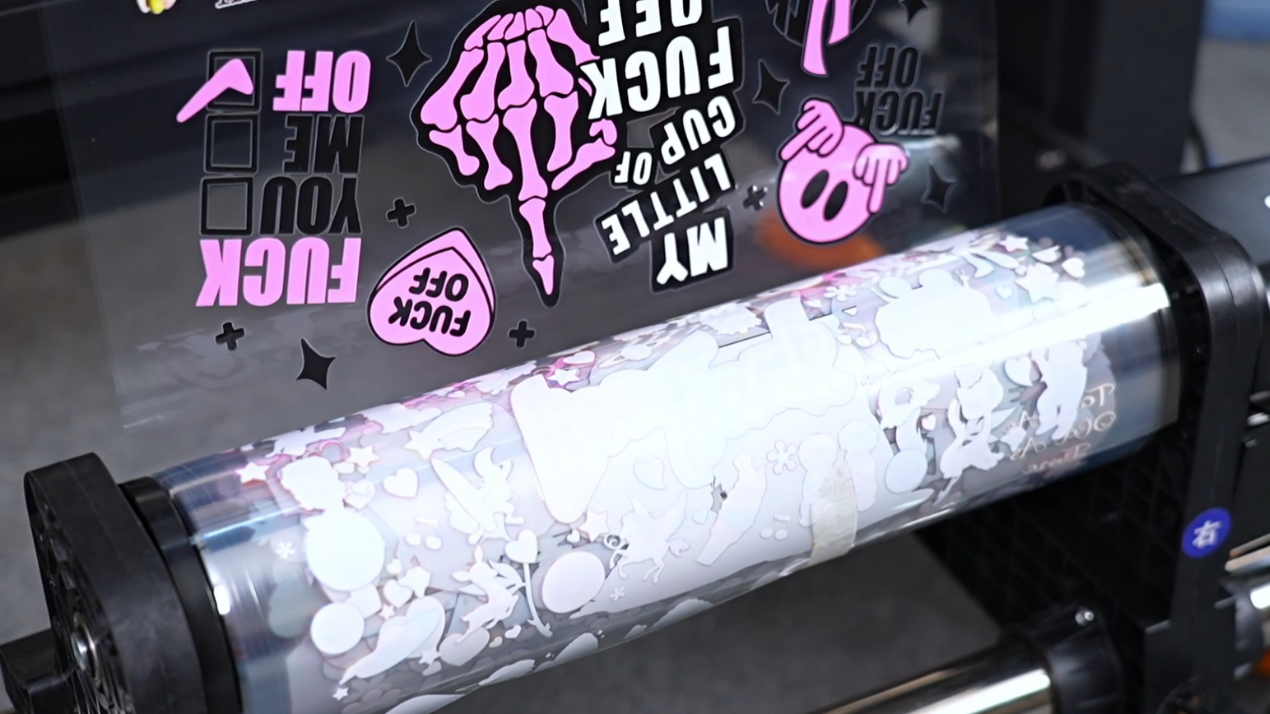
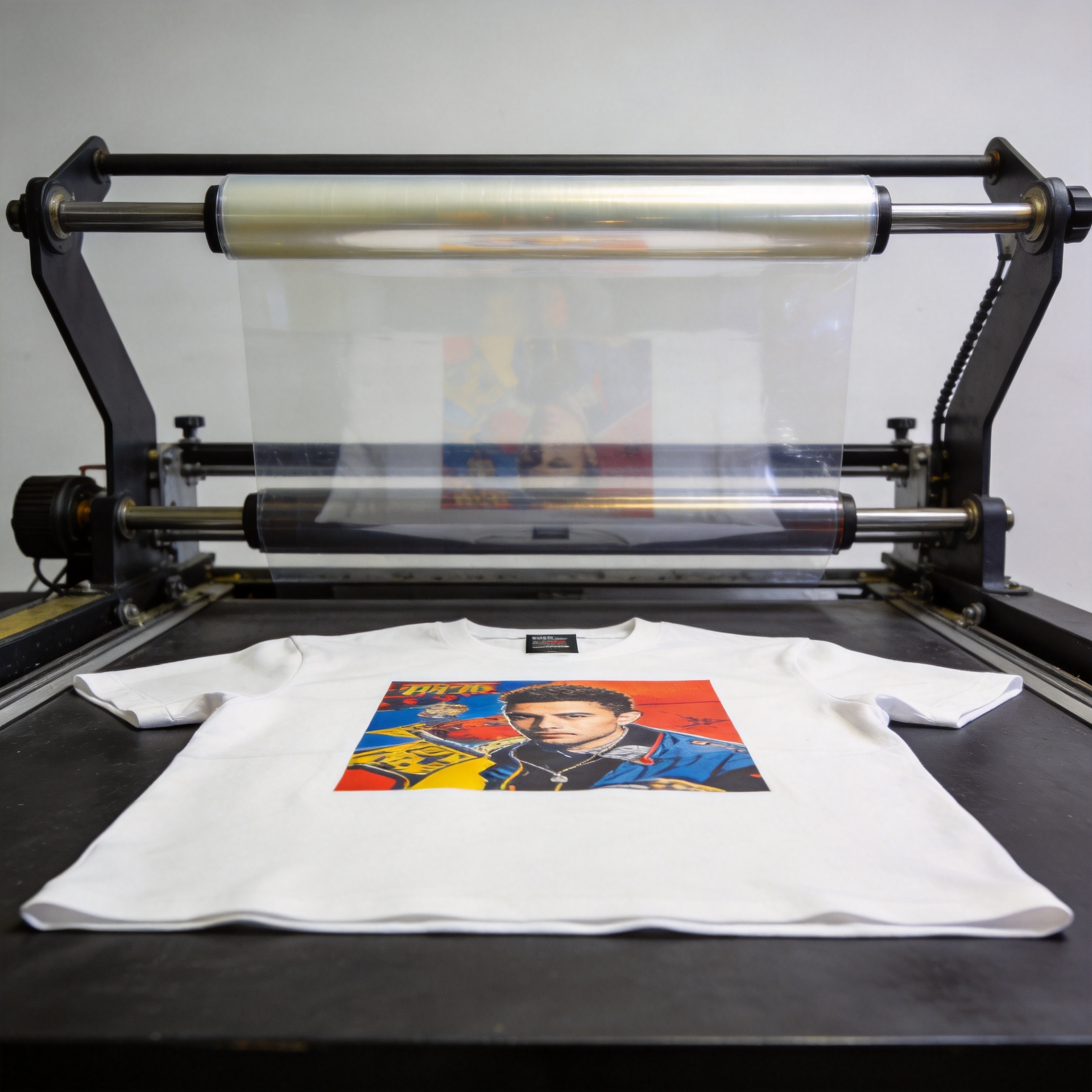
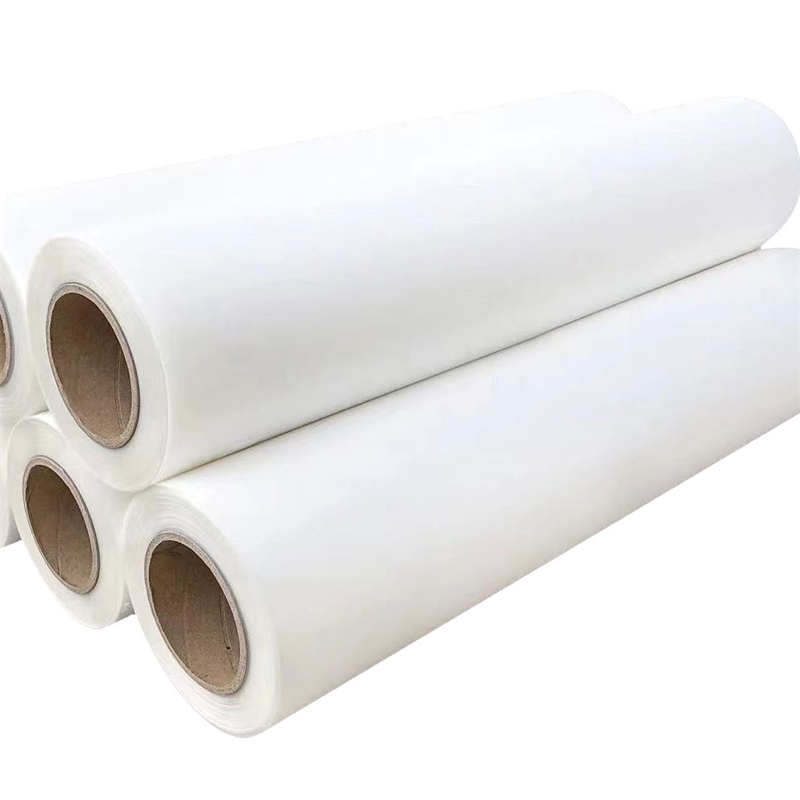
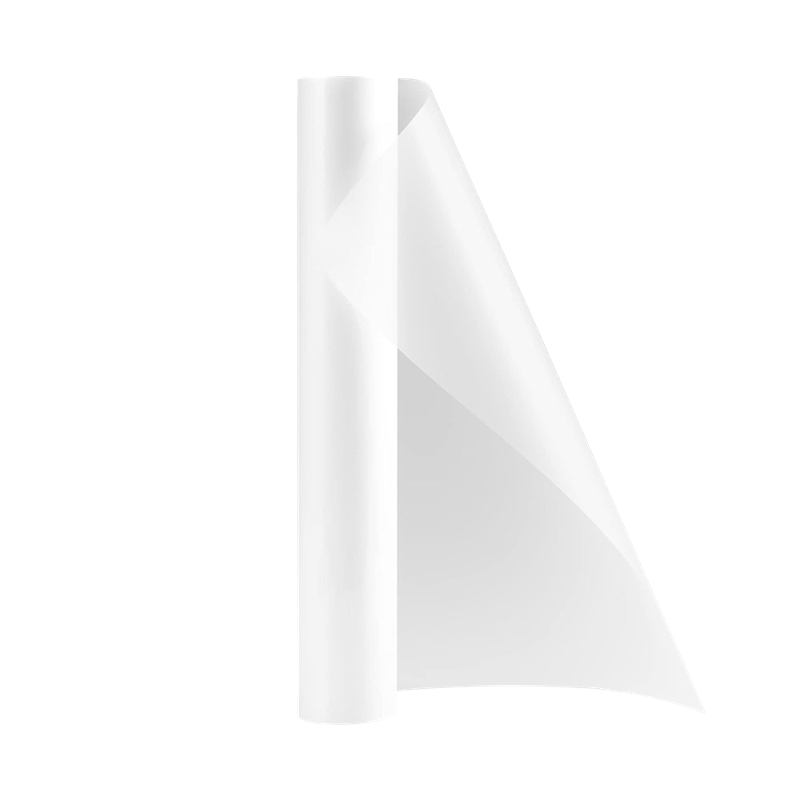
UV DTF (Direct-to-Film) stickers are produced by printing UV-curable ink directly onto a transfer film, which is then applied to the target surface without heat pressing. The UV curing process locks in color and creates a raised, tactile finish that standard vinyl stickers can't replicate. The practical commercial advantage: UV DTF transfers adhere to non-porous surfaces—glass, metal, ceramic, acrylic—without primer or special surface preparation.
Some people argue that traditional vinyl die-cut stickers are fine for most business needs—and for flat, fabric-free applications at low volume, they're not wrong. But once you start working with product packaging across mixed materials, or need precise color reproduction for brand identity work, the limitations become difficult to ignore.
Brand Packaging and Product Label Applications
One of the most commercially significant uses of custom stickers in a business context is product packaging. UV DTF stickers perform particularly well here because they adhere directly to glass jars, metal tins, ceramic containers, and rigid plastic packaging without the adhesion failures that haunt standard vinyl under temperature variation or humidity.
Food and beverage brands, cosmetics producers, and craft product manufacturers can use custom stickers as full-label replacements or brand overlays on finished packaging—without the minimum order quantities and lead times associated with commercial label printing. A batch of 50 labeled products for a market test becomes as feasible as a run of 5,000.
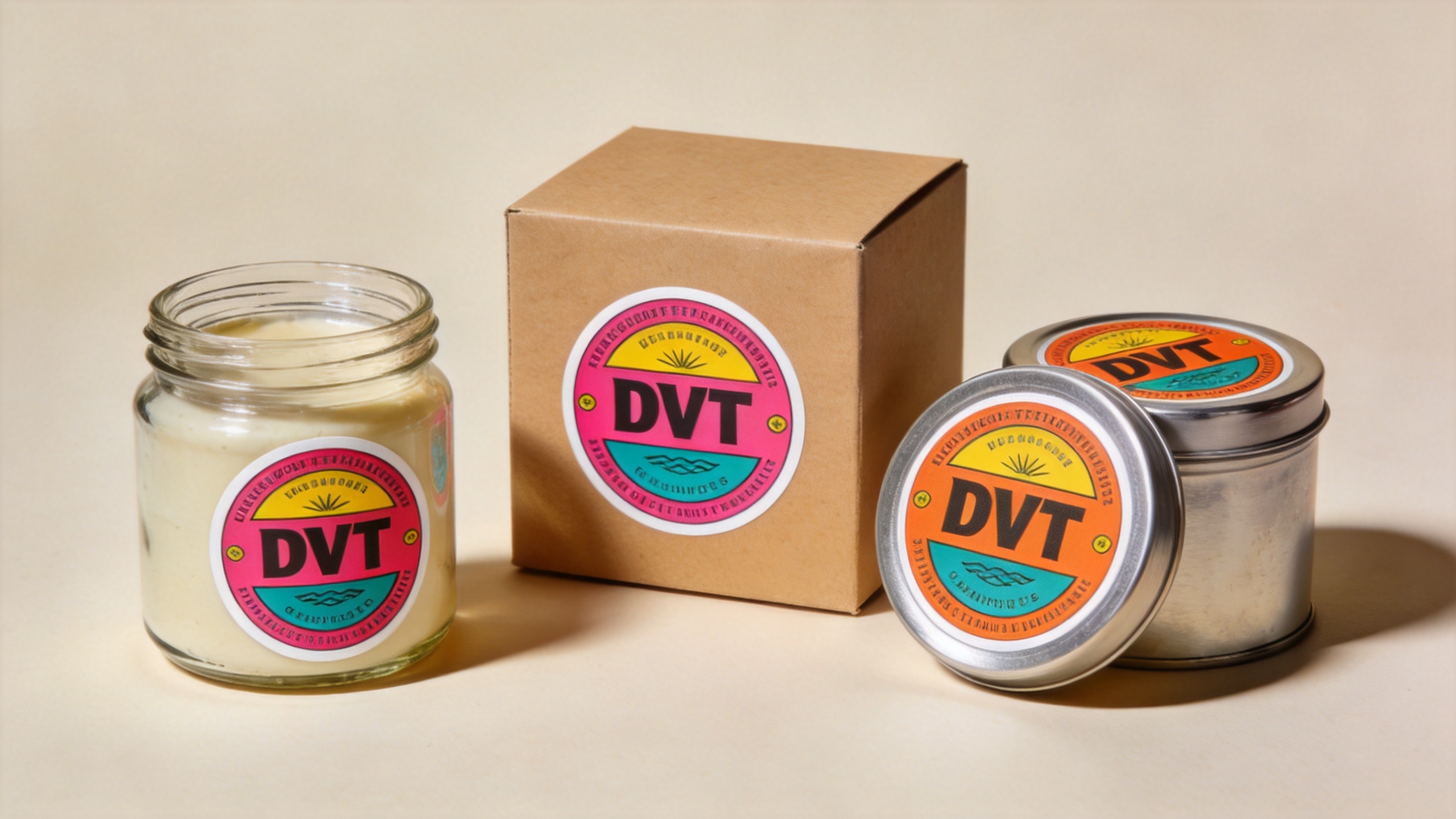
The color accuracy of UV DTF printing also supports demanding brand identity work. When a brand's packaging needs to match Pantone specifications across different substrate types, UV-cured output provides a level of consistency that vinyl printing at comparable price points typically doesn't.
Custom Bumper Stickers and Vehicle Graphics
Vehicle applications represent another area where UV DTF custom stickers show clear practical advantages. Custom bumper stickers produced via UV DTF hold up to outdoor conditions—UV radiation, temperature cycling, rain exposure—with durability that reflects the UV-cured ink chemistry rather than just adhesive strength.
Fleet operators, automotive accessories businesses, and brands that distribute custom bumper stickers as promotional items get full-color photographic-quality output at any run length. There's no screen setup, no color count limitation, and no minimum order threshold. A custom bumper sticker with a gradient logo, fine-line text, and a photographic element prints as cleanly as a simple two-color design.
Window graphics, dashboard decals, and exterior vehicle identification stickers all fall within the same production capability—making UV DTF equipment valuable for businesses serving automotive customization, fleet branding, and retail window decoration markets simultaneously.
Customized Address Labels and Shipping Packaging
The logistics and e-commerce sector has created substantial demand for customized address labels that go beyond basic thermal printing. UV DTF-produced customized address labels can carry full-color brand imagery alongside functional addressing information, turning a commodity touchpoint into a brand-consistent packaging element.
Businesses shipping physical products increasingly treat the unboxing experience as a customer perception issue. Customized address labels produced with UV DTF technology let small-batch producers and growing e-commerce brands apply brand-quality label design to their shipping workflow without committing to commercial print runs. The labels perform reliably on corrugated boxes, poly mailers, and kraft paper packaging—surfaces where traditional vinyl sticker adhesion can be inconsistent.
Promotional Materials and Corporate Gifts
In the promotional products industry, UV DTF custom stickers have found a growing role as standalone items and as finishing elements applied to branded merchandise. The raised texture and premium finish of UV-cured stickers communicates quality in a way that flat-printed vinyl doesn't—which matters when stickers are being used as gifts, event giveaways, or merchandise inserts.
In my experience, the application that generates the most repeat business interest from promotional product buyers is logo stickers applied to non-standard surfaces: enamel mugs, stainless water bottles, acrylic keychains, and glass awards. These are surfaces where traditional sticker production methods either fail outright or require expensive specialty stock. UV DTF handles all of them with the same production workflow.
Corporate gift packaging—branded boxes, custom thank-you cards, event materials—is another consistent use case. UV DTF stickers applied to packaging surfaces create a premium branded experience that communicates intentional design rather than afterthought labeling.
Color Fidelity and Substrate Compatibility: The Commercial Value Case
The two technical advantages that drive most B2B adoption of UV DTF sticker production are color fidelity and substrate compatibility. Understanding why these matter commercially—rather than just technically—helps explain why businesses in packaging, branding, and promotional products are shifting production workflows toward UV DTF.
Brand identity depends on consistency across applications. A logo that appears slightly different in shade between a product label, a bumper sticker, and a packaging seal creates a visible inconsistency that undermines the brand's professional presentation. UV-cured inks maintain color accuracy across substrate types more reliably than solvent-based vinyl alternatives, particularly on curved or textured surfaces.
Most businesses work across multiple surface types simultaneously. A UV DTF printer that produces custom stickers for glass bottles, metal tins, plastic packaging, and paper boxes—all with the same production setup—eliminates the need to source specialty adhesive stock for each material. That operational simplification has genuine cost and workflow implications for businesses producing branded packaging at scale.
Equipment Options for UV DTF Sticker Production
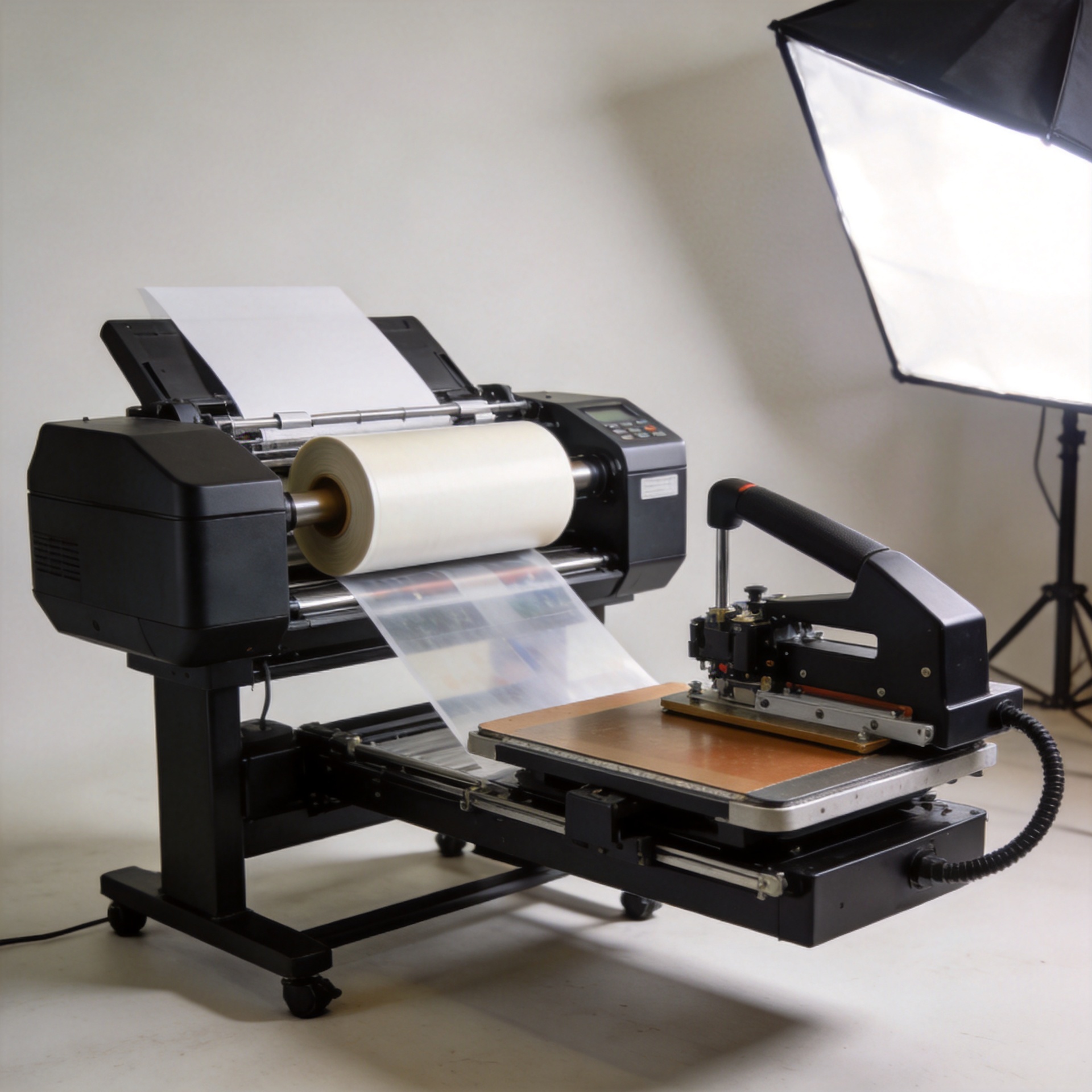
Equipment selection determines both the substrate range and the practical production volume. The Sunika SK30-3 UV DTF Sticker Printer uses a triple F1080 printhead configuration on a 300mm print width, suited to businesses producing stickers at commercial volume across mixed-surface packaging and promotional applications. For businesses focused on smaller surface applications—phone cases, glass items, compact packaging—the SK-U301 30cm UV DTF Printer with Epson i3200 printhead delivers precision output for hard surface applications including glass and acrylic.
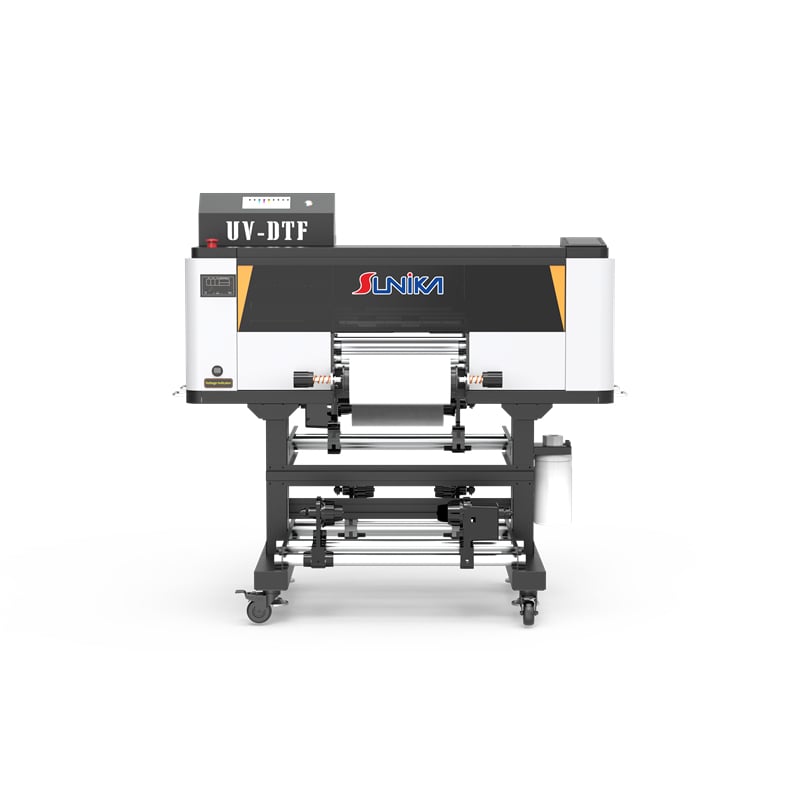
Both configurations support the digital workflow advantage that makes UV DTF practical for short-run commercial production: design files can be swapped between jobs instantly, with no screens, plates, or setup fees that would make small batches economically unviable.
Is UV DTF Sticker Production Right for Your Business?
If your business produces custom stickers across multiple surface types, needs precise color reproduction for brand identity work, or wants the flexibility to produce short-run batches economically, UV DTF equipment is worth evaluating seriously. The technology has matured to a point where production quality, substrate compatibility, and operational simplicity support real commercial applications—not just experimentation.
The most practical starting point is identifying where your current sticker production creates friction: inconsistent adhesion, color variation, surface limitations, or minimum order constraints. UV DTF addresses all four. Whether the business case justifies the equipment investment depends on your specific volume and application mix—but the application landscape is broad enough that most businesses in packaging, branding, or promotional products will find multiple relevant use cases.