EN


What Can You Print with a UV Flatbed Printer?
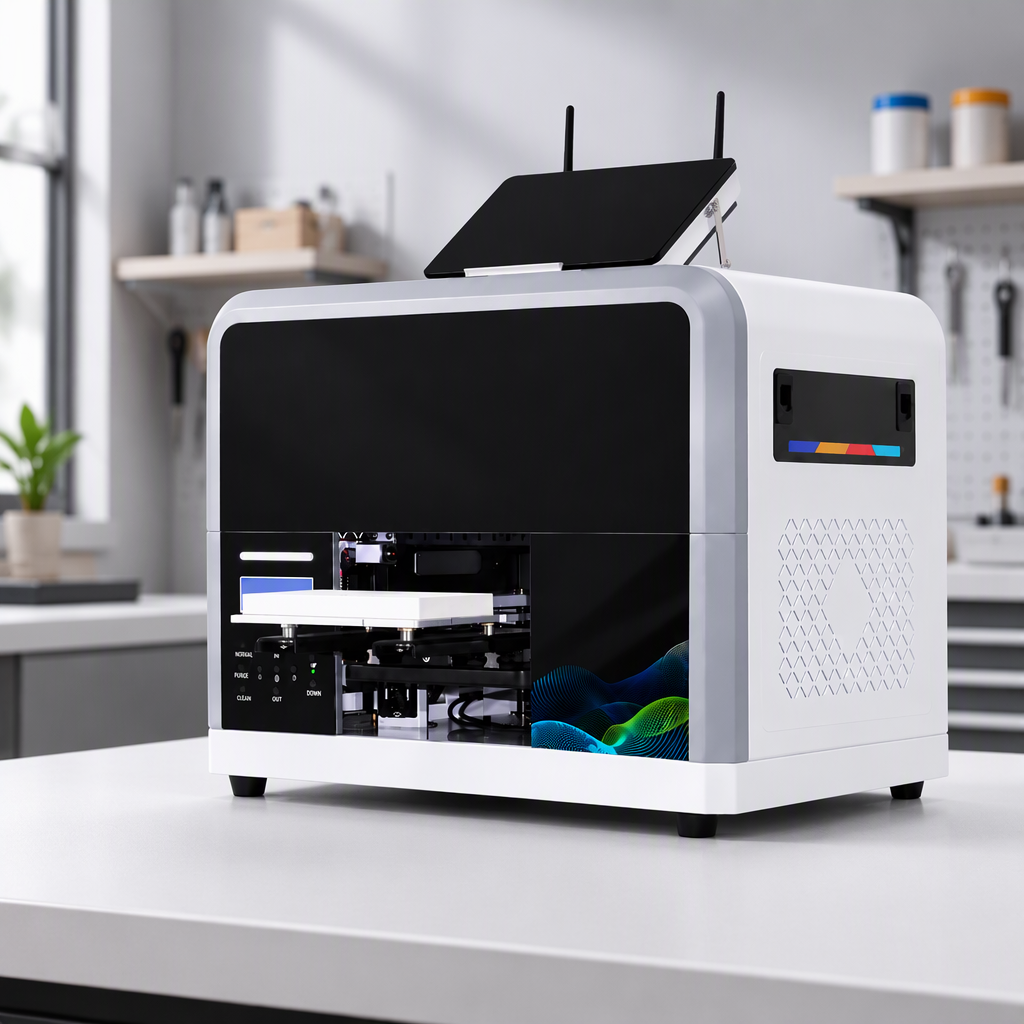
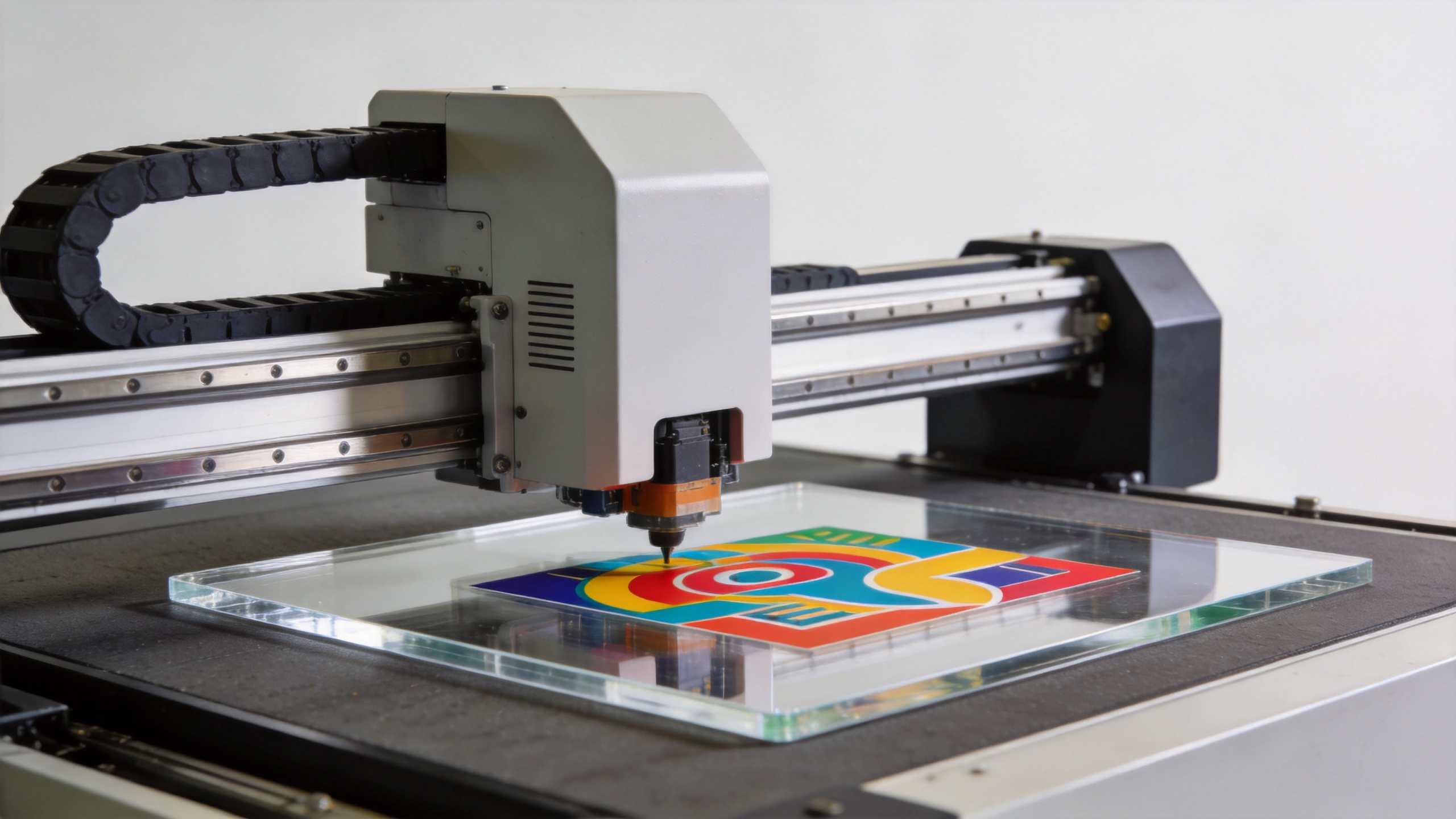
A UV flatbed printer is built for direct-to-object decoration rather than paper-only work. It places an item on a flat table, applies UV-curable ink, and cures the ink with UV light as the image is printed. That basic workflow makes a UV flatbed printer useful for shops, distributors, and brands that need short-run personalization on rigid or specialty materials.
The short answer is: a UV flatbed printer can commonly print on acrylic, glass, metal, wood, PVC, many plastics, ceramic, leather, and selected coated boards. The more useful answer is that printable does not necessarily mean production-ready. Surface energy, coating, flatness, ink choice, curing, and the object’s height all affect the result. A test panel is still the sensible first step—especially for a material you have not run before.
How a UV Flatbed Printer Expands Direct-to-Object Printing
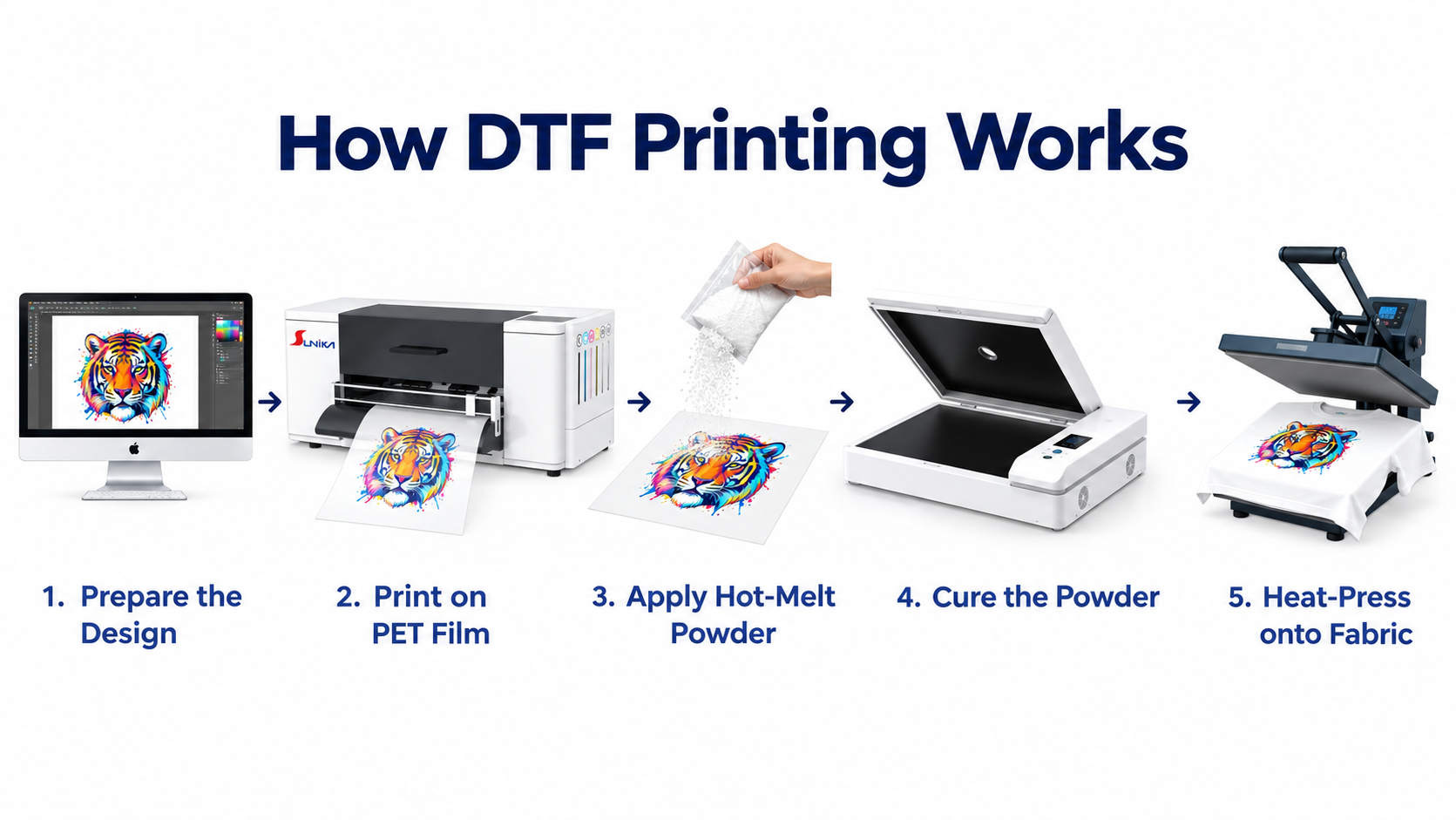
Unlike a process that transfers an image from paper or film, a UV flatbed printer prints directly onto the substrate. That removes an extra transfer stage for many applications and gives designers room to work with rigid blanks, panels, and small finished goods. The appeal is not simply that a UV flatbed printer can handle more materials; it is that one workflow can support samples, promotional products, signage components, interior décor, and customized consumer items.
For an awareness-stage buyer, it helps to think in three groups: sheet materials, shaped items that sit securely on the table, and products with a print-friendly surface. A UV flatbed printer is not a universal answer for every shape or finish, but it can be a practical direct-print route when the substrate and job setup fit the machine.
Common Materials a UV Flatbed Printer Can Print On
Acrylic and other plastic sheets
Acrylic is a familiar starting point for a UV flatbed printer because it is widely used for signs, display pieces, plaques, photo blocks, and retail fixtures. PVC boards and many rigid plastics can also be candidates. Clear acrylic may need white ink beneath color artwork when opacity matters. For low-surface-energy plastics, cleaning, primer, or another surface treatment may be needed before a UV flatbed printer delivers reliable adhesion.
Glass, ceramic, and coated hard surfaces
Glass panels, coasters, tiles, bottles with a stable printable area, and ceramic items are common custom-product categories. With these materials, a UV flatbed printer should be evaluated for both image appearance and scratch resistance after curing. Smooth glass can look excellent, but it is exactly the kind of surface where a small test run is more valuable than a broad compatibility promise. Coatings vary, and the right preparation depends on the specific blank.
Metal and aluminum composite panels
Metal nameplates, control panels, decorative plates, and branded accessories can be suitable jobs for a UV flatbed printer. Aluminum composite board is also widely used in display and sign production. Here, the key question is not only whether the UV flatbed printer can place ink on the panel. It is whether the finished print will withstand the intended handling, cleaning, or environmental exposure. Confirm the substrate finish and run an adhesion check before committing to volume production.
Wood, MDF, and coated board
Wooden signs, gift boxes, décor panels, and MDF-based craft products create a more tactile application range for a UV flatbed printer. Natural grain and porosity can change how artwork appears, which can be a feature rather than a defect. For repeatable color, operators often test the wood, inspect dust and surface texture, and decide whether a base layer or coating is appropriate. A UV flatbed printer can add detailed graphics, but the material’s natural variation remains part of the final look.
Leather and selected flexible materials
Leather goods, PU leather, and some flexible sheets can be printed when the material lies flat and the ink system suits the surface. This is a boundary area: flexibility after printing matters as much as initial adhesion. A UV flatbed printer may be appropriate for flat patches, wallets, covers, or panels, while highly flexible, deeply textured, or frequently bent goods need careful testing. Treat material compatibility as a job-specific decision, not a generic checklist.
Products and Markets That Benefit from UV Flatbed Printing
A UV flatbed printer gives custom-product businesses multiple ways to turn a blank into a branded item. Typical applications include retail signs, directional plaques, exhibition graphics, promotional gifts, phone cases, keychains, packaging prototypes, desk accessories, menu boards, decorative tiles, photo products, and short-run industrial labels. The same UV flatbed printer may serve a sign shop in the morning and a personalization order in the afternoon, provided the jobs share a suitable table size and material profile.
For dealers and growing print businesses, this multi-application value matters. A machine decision should start with the products customers actually ask for, then work backward to blank dimensions, thickness, production volume, white-ink needs, and finishing expectations. Bigger is not automatically better: a UV flatbed printer with a bed size that matches the common job can be easier to load, fixture, and keep productive than an oversized platform used only occasionally.
What a UV Flatbed Printer Usually Cannot Handle Without Extra Work
It is more accurate to say that a UV flatbed printer is generally most suitable for flat or gently contoured surfaces that can be positioned securely. Deeply curved objects, irregular three-dimensional forms, very soft materials, oily surfaces, and parts that cannot fit beneath the print head require another method, a jig, pretreatment, or a different machine configuration. Likewise, heat-sensitive materials and surfaces with unknown coatings should not be treated as routine jobs.
Before accepting a new application, ask five questions: Does the item fit the table? Is the printable area sufficiently flat? Can it remain stable during printing? Does the surface need cleaning or primer? Will the finished item flex, rub, or face outdoor exposure? These questions help a UV flatbed printer operator avoid the common mistake of judging success from a fresh print alone.
A Practical Starting Point for Choosing a UV Flatbed Printer
Start with the materials and product categories you expect to sell, not with a specification sheet in isolation. Build a small sample set of acrylic, glass, metal, wood, and the actual blanks your customers use. Then test image quality, white-ink coverage where relevant, curing, and adhesion. This approach shows where a UV flatbed printer fits your workflow and where process controls are required.
If your planned applications include rigid sheets and customized objects, review the 6090 9060 UV FLATBED PRINTER as a product category reference, then confirm the exact material and production requirements with your supplier. The strongest UV flatbed printer choice is the one that matches your recurring substrates, not the one that makes the broadest claims.
Final Takeaway
A UV flatbed printer can open a wide range of direct-print opportunities across acrylic, glass, metal, wood, PVC, plastics, ceramic, leather, and many custom blanks. Its real value comes from matching the right material to the right workflow. Use a UV flatbed printer to expand what you can personalize—but validate adhesion, curing, surface condition, and handling requirements before you scale a new application.